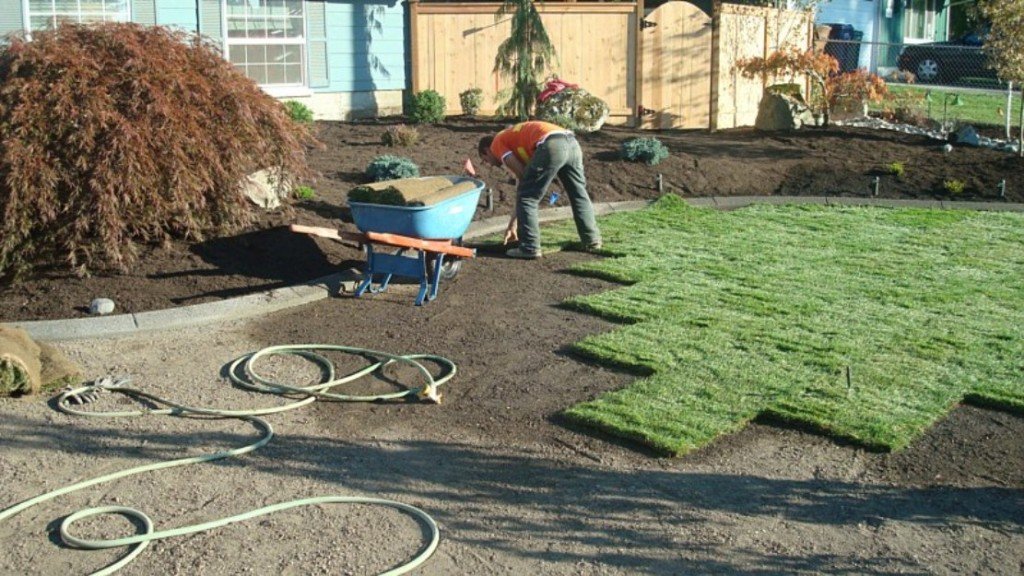
A fresh lawn can make your property look cleaner, greener, and more inviting. Whether you are replacing patchy grass or finishing a new home, professional sod installation offers a quick way to create an attractive outdoor space. Before starting, it is important to understand the sod installation cost and what goes into the final estimate. The price is not based on grass alone. Yard size, sod variety, ground conditions, labor, delivery, and preparation all play a role. Knowing these details helps you set a realistic budget, compare estimates, and choose a service that gives your lawn a strong start.
Lawn Size and the Amount of Sod Required
The size of your yard is one of the biggest factors affecting the total project price. Installers measure the area that needs new grass to calculate how many rolls or pallets of sod are required.
Measuring Your Lawn
A larger lawn naturally needs more sod and usually takes more time to install. However, the shape of the property also matters. Open, rectangular areas are generally easier to cover than yards with narrow sections, curves, trees, garden beds, and walkways.
These features may require extra measuring and cutting. Some leftover material may also be unavoidable when fitting sod around obstacles.
Why Accurate Measurements Matter
An accurate measurement helps prevent ordering too much or too little grass. Ordering too little can delay the project, while excess material may become difficult to use before it dries out.
When reviewing the sod installation cost, ask whether the estimate includes the full measured area, expected material waste, and any additional work around landscaping features.
Sod Variety and Grass Quality
Not all grass types have the same purchase price or growing requirements. Your choice should depend on your property’s sunlight, soil conditions, foot traffic, and maintenance preferences.
Popular Grass Types in Texas
Homeowners in North Texas often consider several warm season grasses:
- Bermuda grass: A good option for sunny lawns and areas with regular foot traffic.
- St. Augustine grass: Known for its broad blades and ability to handle some shade.
- Zoysia grass: Offers dense growth and can provide a neat, attractive appearance.
Each variety has different needs. Some require more sunlight, while others may need different watering or mowing routines.
Freshness and Sod Quality
Healthy sod should have consistent color, a strong root layer, and no obvious signs of drying or damage. The variety, growing conditions, and supplier can affect the price.
The sod installation cost may be higher for certain grass varieties, but choosing suitable, healthy material can support better establishment. Ask your installer which grass is best for your yard rather than choosing based on price alone.
Soil Preparation and Existing Yard Conditions
The condition of your property before installation can have a major effect on the estimate. Fresh sod needs a properly prepared surface so its roots can connect with the soil below.
Removing Old Grass and Weeds
If the yard has existing turf, weeds, roots, or debris, these may need to be removed. The amount of clearing required depends on how much unwanted growth is present and how difficult it is to remove.
A neglected lawn may need more work than a property with mostly bare, level soil.
Grading and Soil Improvements
Ground preparation may also include leveling low areas, filling uneven spots, and improving soil conditions. In parts of Texas, compacted clay soil can make drainage and root development more challenging.
Proper grading helps water move away from the home’s foundation and reduces standing water in the lawn.
These preparation tasks can increase the sod installation cost, but they are important for a healthy result. Ask for a clear explanation of the work included in your estimate before the project begins.
Labor, Equipment, and Sod Delivery
Professional installation involves more than placing grass across the yard. The crew must prepare the surface, move materials, fit each piece, and check that the finished lawn is even.
Installation Labor
Labor charges depend on the size and layout of the property, the amount of preparation required, and access to the work area. A simple open lawn may take less time than a yard with many obstacles or difficult access points.
Experienced installers also know how to position sod pieces closely together, avoid overlapping, and fit edges around landscaping features.
Delivery and Equipment
Sod is bulky and must be transported carefully. Delivery expenses may depend on the order size, supplier location, and distance to your property. Equipment used for removing old turf, grading soil, and moving materials can also affect the estimate.
When comparing the sod installation cost from different companies, check whether delivery, equipment, cleanup, and labor are included. A lower starting price may not represent the full project expense.
Watering, Maintenance, and Long Term Value
Your budget should include the care needed after installation. Fresh sod requires attention while its roots establish, and ongoing lawn maintenance helps keep the grass healthy.
Initial Watering Requirements
New sod should be watered thoroughly after placement. During the early establishment period, the soil beneath the grass needs to stay moist without becoming waterlogged.
The exact watering schedule depends on the grass variety, weather, soil, and rainfall. Hot Texas conditions can cause fresh sod to dry quickly, so check the lawn regularly.
Future Lawn Care
After the grass becomes established, regular mowing, appropriate fertilization, and weed control help maintain its appearance. You may also need to check your irrigation system to make sure water reaches the entire lawn evenly.
The sod installation cost is only one part of owning a new lawn. Planning for water use and routine care helps protect the money you spend on installation.
Before choosing a contractor, request a detailed estimate that explains grass selection, preparation, delivery, labor, and aftercare recommendations. Texas Sod Pros can help homeowners understand their lawn requirements and plan a professional installation that suits their property and budget.
Frequently Asked Questions
- What is included in professional sod installation pricing?
An estimate may include sod materials, ground preparation, labor, delivery, grading, and cleanup. Always confirm which services are covered.
- Does the size of my yard affect the total price?
Yes. Larger lawns need more grass and usually require additional labor. Yard shape and access can also affect the estimate.
- Which sod type is best for Texas homes?
Bermuda, St. Augustine, and Zoysia are common choices. The right option depends on sunlight, soil, foot traffic, and maintenance needs.
- Is soil preparation necessary before installing sod?
Yes. Removing unwanted growth, leveling the surface, and addressing drainage concerns help fresh sod develop healthy roots.
- Can I save money by installing sod myself?
DIY installation may reduce labor expenses, but you must handle measurements, delivery, preparation, and placement. Professional installation can help avoid costly mistakes.
Conclusion
The total price of a new lawn depends on more than the amount of grass you purchase. Yard measurements, sod quality, soil preparation, labor, delivery, and aftercare all contribute to the final sod installation cost. Taking time to understand these factors helps you compare estimates and make a confident decision. A properly installed lawn can improve your property’s appearance and provide a comfortable outdoor space for years. Ready to get started? Contact a local sod installation professional today and request an estimate for your property.