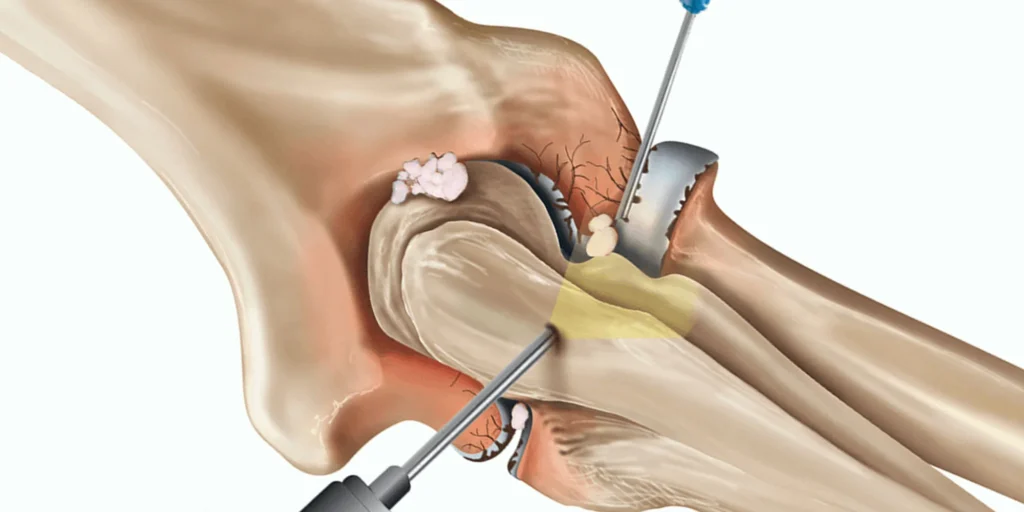
Athletes place a lot of stress on their elbows during training and competition. Sports such as tennis, baseball, golf, weightlifting, gymnastics, and boxing can lead to repeated strain on the elbow joint. Over time, this strain may cause injuries that affect movement, strength, and overall sports performance.
In some cases, rest, medication, and physical therapy may not provide enough relief. When pain and joint damage become severe, doctors may recommend elbow surgery for athletes to restore function and reduce discomfort. Surgery can help athletes return to sports safely while improving joint stability and mobility.
Understanding the different surgical procedures and the recovery process is important for athletes, coaches, and families. This guide explains common elbow injuries, surgical options, rehabilitation methods, and tips for returning to sports after surgery.
Understanding the Elbow Joint
The elbow is a complex joint made up of bones, cartilage, ligaments, tendons, and muscles. It connects the upper arm to the forearm and allows bending, straightening, and rotation movements.
The elbow includes:
- The humerus in the upper arm
- The radius and ulna in the forearm
- Ligaments that provide stability
- Tendons that connect muscles to bones
- Cartilage that cushions the joint
Athletes rely heavily on the elbow for throwing, lifting, swinging, and pushing movements. Because of repetitive use, the elbow can become injured or worn down over time.
Common Elbow Injuries in Athletes
Several sports injuries may require surgical treatment if conservative care does not work.
Tennis Elbow
Tennis elbow is caused by overuse of the forearm muscles and tendons. It creates pain on the outer side of the elbow. Although common in tennis players, it can also affect golfers, painters, mechanics, and weightlifters.
Symptoms include:
- Pain during gripping
- Weakness in the forearm
- Difficulty lifting objects
- Tenderness around the elbow
Golfer’s Elbow
Golfer’s elbow affects the inner side of the elbow. It develops due to repeated wrist and forearm movements.
Common symptoms include:
- Inner elbow pain
- Stiffness
- Weak grip strength
- Tingling sensations
UCL Injuries
The ulnar collateral ligament, or UCL, is important for elbow stability during throwing motions. Baseball pitchers commonly suffer UCL tears.
Symptoms may include:
- Sudden elbow pain
- Reduced throwing speed
- Joint instability
- Swelling
Elbow Fractures
Falls, collisions, or direct trauma during sports may cause fractures around the elbow joint. Severe fractures often require surgery.
Cartilage Damage
Repetitive stress can wear down the cartilage inside the elbow. This may cause locking, stiffness, and pain during movement.
Tendon Tears
Athletes who perform heavy lifting or repetitive motions may experience tendon injuries around the elbow.
When Is Surgery Needed?
Doctors usually recommend non-surgical treatment first. This may include:
- Rest
- Ice therapy
- Anti-inflammatory medication
- Physical therapy
- Bracing
- Activity modification
- Injection therapy
Surgery may become necessary when:
- Pain continues for several months
- The elbow becomes unstable
- Movement is limited
- Tendons or ligaments are torn
- Fractures cannot heal properly
- Sports performance is affected
The decision depends on the severity of the injury, the athlete’s age, sport, and recovery goals.
Types of Elbow Surgery for Athletes
Different surgical procedures are used depending on the condition affecting the elbow.
Arthroscopic Elbow Surgery
Arthroscopy is a minimally invasive procedure. Surgeons make small incisions and insert a tiny camera into the elbow joint.
This procedure may be used to:
- Remove damaged tissue
- Repair cartilage
- Treat stiffness
- Remove loose bone fragments
- Reduce inflammation
Benefits of Arthroscopic Surgery
- Smaller incisions
- Less pain after surgery
- Faster recovery
- Reduced risk of complications
- Shorter hospital stay
Many athletes prefer arthroscopy because it often allows a quicker return to training.
Tommy John Surgery
Tommy John surgery is commonly performed for UCL tears. It is especially popular among baseball pitchers.
During this procedure:
- The damaged ligament is removed
- A tendon from another part of the body is used to create a new ligament
- The new ligament is attached to the bones
Recovery After Tommy John Surgery
Recovery can take many months. Athletes usually follow a structured rehabilitation program to rebuild strength and throwing ability.
Tendon Repair Surgery
Severely damaged tendons may require surgical repair.
The surgeon may:
- Remove damaged tendon tissue
- Reattach the tendon
- Strengthen surrounding structures
This procedure is common in severe tennis elbow or tendon rupture cases.
Elbow Fracture Surgery
Some fractures require plates, screws, or pins to stabilize the bones.
The goals include:
- Restoring normal alignment
- Preventing stiffness
- Improving long-term joint function
Elbow Replacement Surgery
Although less common in athletes, severe joint damage may require partial or total elbow replacement.
This procedure is generally reserved for:
- Advanced arthritis
- Major trauma
- Irreparable joint damage
Preparing for Elbow Surgery
Proper preparation helps improve recovery outcomes.
Doctors may recommend:
- Medical evaluations
- Imaging tests such as MRI or X-rays
- Stopping certain medications
- Strengthening exercises before surgery
- Planning post-surgery support at home
Athletes should discuss their sports goals and expected recovery timeline with the surgical team.
What Happens During Surgery?
The exact procedure depends on the injury. However, most surgeries follow similar steps:
- The patient receives anesthesia
- The surgeon makes small or larger incisions
- Damaged tissue is repaired or removed
- The joint is stabilized if needed
- The incisions are closed
Some surgeries are outpatient procedures, meaning the athlete can return home the same day.
Recovery After Elbow Surgery
Recovery is one of the most important parts of treatment. Proper healing helps athletes regain strength and avoid future injuries.
Early Recovery Phase
During the first few days or weeks:
- The elbow may be placed in a brace or sling
- Swelling and pain are managed
- Gentle movements may begin
- Rest is important
Patients are usually advised to avoid heavy lifting or sports activities.
Physical Therapy and Rehabilitation
Rehabilitation is essential after elbow surgery for athletes because it helps restore movement, flexibility, and strength.
Phase 1: Protecting the Elbow
The first stage focuses on healing.
Goals include:
- Controlling pain
- Reducing swelling
- Protecting repaired tissues
- Maintaining gentle motion
Phase 2: Restoring Range of Motion
Once healing improves, therapists begin mobility exercises.
These exercises help:
- Improve flexibility
- Reduce stiffness
- Restore joint function
Phase 3: Strength Training
Athletes gradually start strengthening exercises.
Therapy may focus on:
- Forearm muscles
- Wrist stability
- Shoulder strength
- Core conditioning
Strong surrounding muscles reduce stress on the elbow.
Phase 4: Sport-Specific Training
Athletes slowly return to movements related to their sport.
Examples include:
- Throwing drills
- Swing practice
- Controlled lifting
- Balance and coordination exercises
The rehabilitation program is customized based on the athlete’s sport and injury type.
How Long Does Recovery Take?
Recovery time varies depending on the procedure and the severity of the injury.
Typical Recovery Estimates
- Arthroscopic surgery: several weeks to a few months
- Tendon repair surgery: around 4 to 6 months
- Tommy John surgery: 9 to 18 months
- Fracture surgery: several months
Following medical instructions carefully can improve healing speed and results.
Risks and Complications
Like any surgery, elbow procedures carry some risks.
Possible complications include:
- Infection
- Nerve irritation
- Stiffness
- Swelling
- Blood clots
- Persistent pain
- Re-injury
Choosing experienced specialists and following rehabilitation plans can help reduce these risks.
Returning to Sports After Surgery
Returning to sports too early may increase the risk of reinjury. Athletes must progress gradually and safely.
Doctors usually evaluate:
- Strength levels
- Range of motion
- Pain levels
- Joint stability
- Sport-specific performance
Athletes should only return when the elbow can handle full sports activity safely.
Tips for a Safe Return to Sports
Follow the Rehabilitation Plan
Skipping therapy sessions may delay recovery and increase the risk of complications.
Avoid Overtraining
The elbow needs time to adjust after surgery. Sudden intense activity may overload healing tissues.
Focus on Proper Technique
Incorrect throwing or lifting techniques can place extra stress on the elbow.
Build Overall Strength
Shoulder, back, and core strength help support elbow function.
Listen to Warning Signs
Pain, swelling, or reduced movement should never be ignored.
Preventing Future Elbow Injuries
Athletes can reduce injury risk with proper prevention strategies.
Warm Up Properly
Warm muscles and joints perform better and are less likely to become injured.
Use Correct Form
Proper sports mechanics reduce pressure on the elbow.
Rest Between Activities
Overuse injuries often occur when athletes do not allow enough recovery time.
Strengthen Supporting Muscles
Balanced muscle strength helps stabilize the joint.
Avoid Repetitive Stress
Changing training intensity and limiting excessive repetition may protect the elbow.
Emotional Recovery for Athletes
Injuries can affect athletes mentally as well as physically. Being unable to compete may lead to stress, frustration, or anxiety.
Support from coaches, family, therapists, and medical teams is important during recovery. Staying positive and following realistic goals can help athletes remain motivated.
Advances in Elbow Surgery
Modern surgical techniques continue to improve outcomes for athletes.
Recent advancements include:
- Improved arthroscopic technology
- Better ligament reconstruction methods
- Faster rehabilitation programs
- Regenerative therapies
- Customized rehabilitation plans
These improvements help many athletes recover more safely and return to competitive sports successfully.
Importance of Early Diagnosis
Ignoring elbow pain may worsen injuries over time. Early medical evaluation can prevent severe joint damage and reduce the need for extensive surgery.
Athletes should seek professional care if they experience:
- Ongoing elbow pain
- Weakness
- Swelling
- Reduced throwing ability
- Joint instability
- Stiffness
Early treatment often leads to better long-term outcomes.
Conclusion
Elbow injuries can seriously affect an athlete’s performance, comfort, and ability to compete. When non-surgical treatments no longer provide relief, surgical procedures may help restore joint function and reduce pain. From arthroscopic procedures to ligament reconstruction, modern treatments offer effective options for many sports-related elbow conditions.
Recovery after surgery requires patience, physical therapy, and gradual return-to-sport training. Athletes who follow proper rehabilitation programs often regain strength, stability, and confidence over time.
For individuals considering advanced orthopedic care and rehabilitation guidance, Dr Marouane Bouloudhnine provides specialized expertise in managing sports-related elbow conditions and helping athletes return to active lifestyles safely.