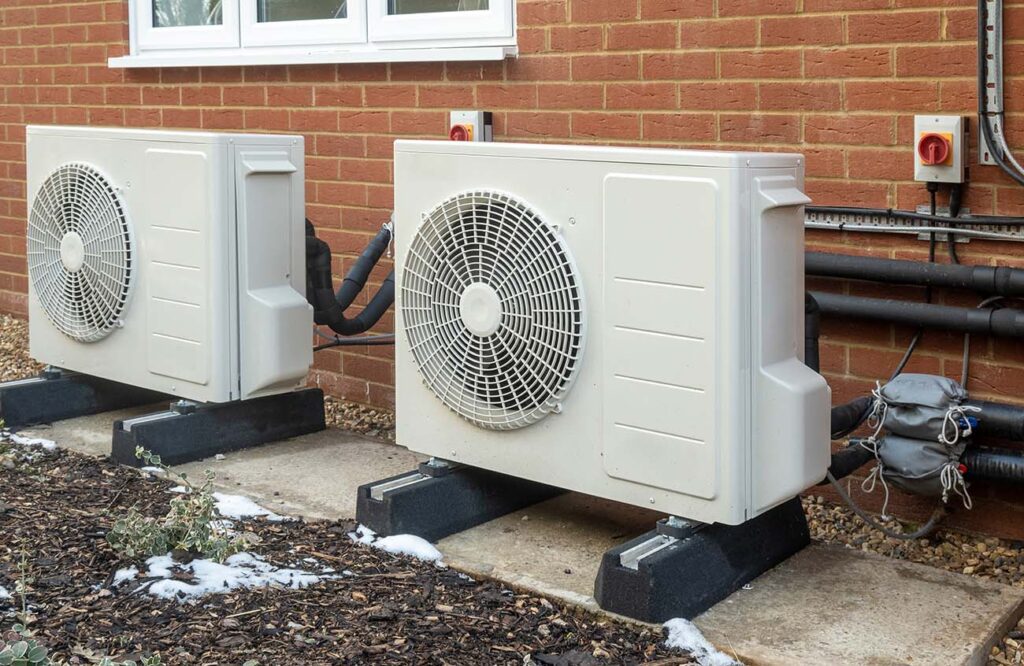
Two air source heat pump units installed on a modern house
Choosing a new boiler can feel more complicated than it should. On the surface, it looks like a simple swap—old unit out, new one in. In reality, the decision affects your energy bills, comfort, and even future repair costs.
Many homeowners rush this step and end up with a system that doesn’t quite suit their home. The goal isn’t just to buy a “good” boiler, but to choose one that fits your space, your usage, and your long-term plans. This guide walks through the key factors so you can make a decision with confidence.
Start With Your Home, Not the Boiler
Before looking at models or prices, take a step back and consider your home itself. The size, layout, and insulation level all shape what type of system will work best.
For example, a small, well-insulated flat doesn’t need the same heating capacity as a large, older house with solid walls. If you choose a system that’s too powerful, it may cycle on and off frequently, wasting energy. On the other hand, an undersized boiler will struggle to keep rooms warm.
Think about:
- The number of rooms and bathrooms
- How often do you use hot water
- Whether your home loses heat quickly
This context helps narrow your options before you even speak to an installer.
Understanding the Main Boiler Types
Once you know your home’s needs, the next step is understanding the main types of boilers available.
Combi Boilers
These provide heating and hot water directly from the unit, without a storage tank. They suit smaller homes with limited space and moderate water demand.
System Boilers
These work with a hot water cylinder but don’t need a separate tank in the loft. They’re often a good fit for medium-sized homes with more than one bathroom.
Conventional Boilers
Also called regular boilers, they use both a cylinder and a tank. You’ll usually find them in older properties with existing traditional systems.
Each type has its place. The right choice depends less on preference and more on how your home is set up.
Why Efficiency Ratings Matter
Efficiency is one of the most important factors, yet it’s often misunderstood. Modern boilers usually come with high efficiency ratings, but that doesn’t guarantee lower bills on its own.
Efficiency works hand in hand with how the system is used. A highly efficient boiler in a poorly insulated home will still waste energy. However, when paired with good insulation and controls, it can significantly reduce fuel consumption.
Look for:
- High energy efficiency ratings
- Compatibility with smart controls
- Modulating features that adjust output based on demand
These features help the system run more smoothly and avoid unnecessary energy use.
Considering Future Energy Changes
Heating systems are slowly shifting toward lower-carbon options. While gas boilers are still common, alternatives like heat pumps are becoming more relevant.
This is where support like the Government Boiler Upgrade Scheme can influence your decision. It encourages homeowners to consider systems that reduce emissions, not just energy bills.
Even if you’re not ready to switch technologies now, it’s worth thinking ahead. Choosing a system that can integrate with future upgrades—such as better controls or hybrid setups—can save money later.
Don’t Overlook Installation Quality
A well-chosen boiler can still perform poorly if it’s installed incorrectly. Surprisingly, installation quality often matters as much as the boiler itself.
A qualified installer will:
- Size the system correctly
- Ensure proper pipework and pressure
- Set up controls for efficient use
Skipping this step or choosing based on the lowest quote can lead to higher running costs and frequent issues.
It’s usually better to ask questions and understand what’s included rather than focusing only on price.
Common Mistakes to Avoid
When upgrading a heating system, a few common mistakes tend to come up:
Choosing Based on Price Alone
A cheaper unit might cost more over time if it’s inefficient or poorly suited to your home.
Ignoring Hot Water Demand
Homes with multiple bathrooms need systems that can handle higher demand.
Skipping System Upgrades
Old radiators or pipework can limit the performance of a new boiler.
Overestimating Savings
While newer systems are more efficient, savings depend on overall home efficiency.
Avoiding these pitfalls can make a noticeable difference in how well your new system performs.
Practical Steps Before Making a Decision
If you’re unsure where to start, a few simple steps can make the process clearer:
- Review your current system – Understand its age, performance, and running costs.
- Check your insulation – Improving insulation often boosts the benefits of any upgrade.
- Get multiple assessments – Different installers may suggest different solutions.
- Think long-term – Consider how long you plan to stay in the property.
Taking a bit of extra time at this stage often prevents costly adjustments later.
When Is the Right Time to Upgrade?
Timing matters more than people expect. While a breakdown forces immediate action, planned upgrades usually lead to better decisions.
Consider upgrading if:
- Your boiler is over a decade old
- Repairs are becoming frequent
- Your heating feels uneven or unreliable
- Energy bills are steadily rising
Planning ahead gives you more options and avoids rushed choices.
Conclusion
There isn’t a single “best” boiler for every home. The right choice depends on how your property uses heat, how much hot water you need, and how efficient your home already is.
By focusing on your home’s needs first, understanding the available systems, and thinking about long-term efficiency, you can make a decision that genuinely improves comfort and reduces costs.
Support options like the Government Boiler Upgrade Scheme may also shape your decision, especially if you’re considering more energy-efficient alternatives. Still, the key is balance—choosing a system that fits your home today while leaving room for future improvements.
A thoughtful approach now can save both money and frustration down the line.