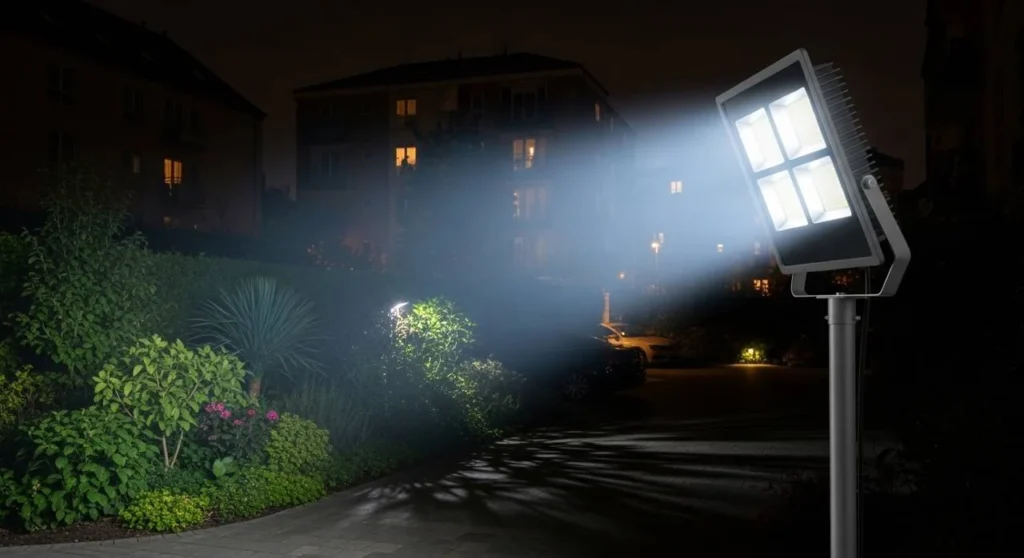
LED lighting has transformed the way homes, offices, streets, and industries are illuminated. Once considered a premium technology, LEDs (Light Emitting Diodes) are now the global standard due to their energy efficiency, long lifespan, and eco-friendly performance. From small indicator lights in electronics to powerful industrial floodlights, LED technology has reshaped modern lighting systems.
This article explores everything you need to know about LED lighting, including how it works, its advantages, types, applications, and why it is replacing traditional lighting solutions worldwide.
What is LED Lighting?
LED stands for Light Emitting Diode, a semiconductor device that emits light when an electric current passes through it. Unlike traditional bulbs that use filaments or gas to produce light, LEDs generate light through the movement of electrons in a semiconductor material.
This process is called electroluminescence, and it is far more efficient than incandescent or fluorescent lighting.
In simple terms:
- Traditional bulbs waste most energy as heat
- LEDs convert most energy directly into light
This is why LED lighting is considered a revolutionary advancement in modern illumination.
How LED Lighting Works
LEDs work using a small chip made of semiconductor materials. When electricity flows through the chip:
- Electrons move through the semiconductor
- They release energy in the form of photons (light)
- A lens spreads the light for visibility
Unlike traditional bulbs:
- No filament is burned
- No gas is heated
- No long warm-up time is needed
LEDs turn on instantly and maintain consistent brightness.
Key Benefits of LED Lighting
LED lighting has become popular across the world due to its numerous advantages.
1. Energy Efficiency
LEDs use up to 80–90% less energy compared to incandescent bulbs. This makes them ideal for reducing electricity bills in homes and businesses.
2. Long Lifespan
A typical LED light lasts between 25,000 to 50,000 hours, far longer than traditional bulbs. This reduces replacement costs and maintenance efforts.
3. Eco-Friendly
LEDs are free from harmful substances like mercury and produce less carbon emission, making them environmentally safe.
4. Low Heat Emission
LEDs remain cool even after hours of use, reducing fire hazards and improving safety.
5. Durability
They are resistant to shocks, vibrations, and external damage, making them ideal for outdoor and industrial use.
6. Instant Lighting
LEDs turn on instantly without flickering or warm-up delays.
7. Better Light Quality
LEDs offer bright, clear, and customizable lighting with different color temperatures like warm white, cool white, and daylight.
Types of LED Lighting
LED lighting comes in many forms depending on usage and design requirements.
1. LED Bulbs
These are replacements for traditional incandescent bulbs used in homes and offices. They come in various shapes like A19, candle, and globe bulbs.
2. LED Tube Lights
Used in offices, schools, and commercial spaces. They provide uniform lighting and consume very little energy.
3. LED Panel Lights
Flat, modern lighting solutions commonly used in ceilings of offices and commercial buildings. They offer elegant and uniform illumination.
4. LED Flood Lights
High-intensity lights used for outdoor spaces such as stadiums, parking areas, and building exteriors.
5. LED Street Lights
Designed for highways, streets, and public areas. They provide strong visibility and improve safety at night.
6. LED Downlights
Installed in ceilings for focused and decorative lighting in homes, hotels, and retail stores.
7. LED Strip Lights
Flexible strips used for decoration, interior design, and ambient lighting.
Applications of LED Lighting
LEDs are used in almost every lighting environment today.
Residential Use
- Living rooms
- Kitchens
- Bedrooms
- Outdoor gardens
LEDs improve home aesthetics while reducing energy consumption.
Commercial Use
- Offices
- Shopping malls
- Restaurants
- Hotels
Businesses use LEDs to reduce operating costs and improve interior design.
Industrial Use
- Factories
- Warehouses
- Production units
LEDs provide bright, reliable lighting for large-scale operations.
Outdoor and Public Infrastructure
- Roads and highways
- Parking lots
- Stadiums
- Parks
LED streetlights improve visibility and safety while reducing municipal energy costs.
Specialized Uses
- Automotive lighting
- Medical equipment
- Electronic devices
- Smart lighting systems
LED vs Traditional Lighting
| Feature | LED Lighting | Incandescent Bulbs | Fluorescent Lights |
|---|---|---|---|
| Energy Efficiency | Very High | Low | Medium |
| Lifespan | 25,000–50,000 hours | 1,000 hours | 8,000–10,000 hours |
| Heat Emission | Very Low | High | Medium |
| Environmental Impact | Eco-friendly | Harmful | Contains mercury |
| Cost Over Time | Low | High | Medium |
LED lighting clearly outperforms traditional options in almost every category.
Factors to Consider When Choosing LED Lights
Choosing the right LED lighting depends on several factors:
1. Brightness (Lumens)
Higher lumens mean brighter light. Always check lumens instead of wattage.
2. Color Temperature
- Warm White (2700K–3000K): Cozy home lighting
- Neutral White (4000K): Offices and shops
- Cool White (6000K–6500K): Industrial and outdoor use
3. Wattage
Lower wattage LEDs can still provide high brightness due to efficiency.
4. Application Area
Indoor, outdoor, decorative, or industrial use determines the type of LED required.
5. Build Quality
High-quality LEDs last longer and provide consistent performance.
The Future of LED Lighting
LED technology continues to evolve rapidly. Future trends include:
Smart Lighting
LEDs integrated with Wi-Fi and mobile apps allow users to control brightness, color, and timing remotely.
Human-Centric Lighting
Lighting systems that adjust according to human biological rhythms to improve productivity and health.
Solar LED Systems
Combining solar energy with LED lighting for sustainable and off-grid solutions.
Miniaturization
Smaller and more efficient LED chips for advanced electronic devices.
Conclusion
LED lighting is more than just a lighting solution—it is a technological revolution. Its energy efficiency, long lifespan, environmental benefits, and versatility make it the preferred choice across residential, commercial, and industrial sectors.
As energy demands increase and sustainability becomes a global priority, LED lighting will continue to dominate the future of illumination. Whether you are upgrading your home or designing a large-scale infrastructure project, LEDs offer a smart, cost-effective, and eco-friendly solution for modern lighting needs.