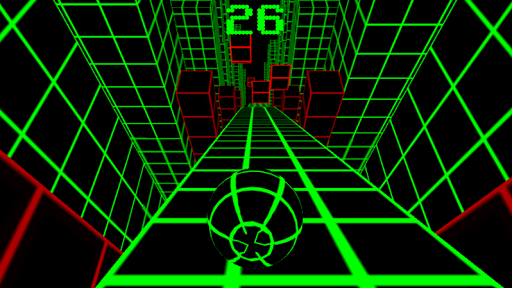
Slope. The name itself conjures images of hurtling down an endless incline, testing your reflexes and pushing you to the brink of failure. It’s a deceptively simple game, yet its addictive nature keeps players coming back for “just one more run.” But how exactly do you navigate this neon-lit abyss? Let’s break down the experience and equip you with the knowledge to conquer Slope and achieve that elusive high score.
Introduction: The Thrill of the Fall
At its core, Slope is a deceptively basic endless runner. You control a ball rolling down a steep, randomly generated slope filled with treacherous obstacles. The goal? Survive as long as possible. There’s no grand narrative, no power-ups, just pure, unadulterated skill and a healthy dose of luck. Its minimalist design and fast-paced gameplay make it perfect for short bursts of entertainment, fitting neatly into those spare moments throughout your day. The constant risk of failure is what makes it so gripping. Each run is a gamble, a dance with gravity where even a momentary lapse in concentration can send you tumbling into the void.
Gameplay: Steering the Sphere
The controls for Slope are incredibly straightforward. You use the left and right arrow keys (or the A and D keys for those who prefer WASD) to steer the ball horizontally. That’s it! The ball is in perpetual motion, constantly accelerating downwards.
The challenge lies in navigating the randomly generated platforms that appear before you. These platforms aren’t always straight; they twist and turn, demanding precise movements and quick reactions. Gaps appear frequently, requiring you to adjust your trajectory to leap across them. Colored blocks jut out from the sides and above, acting as deadly obstacles. Touching one of these results in instant game over.
The difficulty ramps up dramatically as you progress. The speed increases, the platforms become narrower and more erratic, and the gaps grow wider. This escalation creates a real sense of pressure, demanding laser-like focus and almost preternatural reflexes. The further you travel, the more chaotic the environment becomes, making survival an increasingly difficult feat.
Tips and Tricks: From Novice to Nifty
While raw reflexes are important, understanding a few key strategies can significantly improve your performance in Slope:
- Master the Subtle Adjustments: Avoid jerky, over-corrections. Tiny taps of the arrow keys are often more effective than holding them down. Smooth, subtle movements are crucial for maintaining control, especially at higher speeds.
- Anticipate, Don’t React: Scan the landscape ahead. Try to anticipate the upcoming obstacles and plan your movements accordingly. Relying solely on reaction time at high speeds will likely lead to disaster.
- Focus on the Center: Keep your eyes focused on the center of the screen, slightly ahead of the ball. This will give you a broader perspective and allow you to anticipate upcoming turns and obstacles more effectively.
- Practice Makes Perfect: There’s no substitute for time spent playing. The more you play, the more accustomed you’ll become to the game’s physics and the patterns of the randomly generated levels. Don’t get discouraged by initial failures. Use them as learning opportunities.
- Listen to the Music: The soundtrack is more than just background noise. The tempo of the music increases with your speed, providing a subtle cue to the level of challenge. This can help you mentally prepare for upcoming obstacles.
Conclusion: Embracing the Challenge
Slope is a game that rewards persistence, precision, and a healthy dose of risk-taking. Its simple mechanics belie its challenging gameplay, making it accessible to newcomers while providing enough depth to keep seasoned gamers engaged. Whether you’re looking for a quick distraction or a challenging test of your reflexes, Slope offers a compelling experience. So, take a deep breath, brace yourself for the fall, and see how far you can roll. Good luck, and may the odds be ever in your favor!