Electricity is one of the most important parts of modern life. It powers homes, industries, hospitals, schools, offices, and transportation systems. To deliver electricity from power generation plants to cities and villages, strong and reliable transmission networks are needed.
In large power infrastructure projects, proper planning and execution are very important for safety, efficiency, and long-term performance. Transmission Line EPC Services play a major role in building these transmission systems from start to finish. These services help utility companies complete complex transmission projects in an organized and cost-effective way.
As electricity demand continues to grow, utility transmission work has become more advanced. High-voltage transmission lines, substations, towers, and related systems require technical expertise, quality materials, and professional project management. EPC services help ensure that every stage of the transmission project is completed successfully.
What Are Transmission Line EPC Services?
Transmission Line EPC Services refer to complete project solutions provided for transmission line infrastructure. EPC stands for:
- Engineering
- Procurement
- Construction
These services cover the entire lifecycle of a transmission line project. Instead of hiring separate contractors for different activities, utility companies often choose one EPC contractor to manage the entire project.
The EPC contractor is responsible for:
- Designing the transmission system
- Procuring materials and equipment
- Constructing transmission lines and towers
- Testing and commissioning the system
- Delivering the completed project
This complete approach helps improve coordination, reduce delays, and maintain project quality.
Importance of EPC Services in Utility Transmission Work
Utility transmission projects are large-scale and technically demanding. They require careful planning, experienced manpower, and strict safety standards. EPC services are important because they simplify project execution.
Some major benefits include:
Better Project Management
An EPC contractor manages all project activities under one system. This improves communication and reduces confusion between different teams.
Faster Project Completion
With proper planning and coordinated execution, transmission projects can be completed within the expected timeline.
Cost Control
EPC services help control project costs by managing procurement, labor, logistics, and construction efficiently.
Technical Expertise
Experienced EPC companies have skilled engineers and project managers who understand complex transmission systems.
Quality Assurance
Quality checks are carried out during every project stage to ensure safe and reliable operation.
Reduced Risks
Since one company handles the complete project, responsibility becomes clear and risks are managed better.
Major Components of Transmission Line EPC Services
Transmission line EPC work includes several important stages. Each stage is critical for successful project completion.
Engineering and Design
Engineering is the first and most important stage of any transmission project. In this phase, experts create technical plans and system designs.
Engineering work includes:
- Route survey and alignment
- Soil investigation
- Tower design
- Electrical system design
- Structural calculations
- Load analysis
- Foundation design
- Safety planning
Proper engineering ensures that transmission lines can safely operate under different environmental conditions such as wind, rain, heat, and storms.
Procurement of Materials and Equipment
Procurement involves purchasing all materials required for the transmission project. High-quality materials are necessary for long-lasting performance.
Important materials include:
- Transmission towers
- Conductors
- Insulators
- Ground wires
- Transformers
- Hardware fittings
- Earthing systems
- Foundation materials
The EPC contractor ensures that all materials meet technical standards and are delivered on time.
Construction and Installation
Construction is the physical execution stage of the project. This phase requires skilled workers, heavy machinery, and safety procedures.
Construction activities include:
Foundation Work
Strong foundations are built to support transmission towers.
Tower Erection
Steel towers are assembled and erected according to engineering designs.
Stringing of Conductors
Conductors and ground wires are installed between towers using specialized equipment.
Earthing and Safety Systems
Proper earthing systems are installed to protect the network from electrical faults and lightning.
Site Management
Project teams supervise daily activities to maintain quality and safety standards.
Testing and Commissioning
After construction is completed, the transmission system undergoes testing and inspection.
Testing includes:
- Electrical testing
- Mechanical inspection
- Tower alignment checks
- Ground resistance testing
- Conductor tension verification
- Safety inspections
Commissioning ensures that the transmission line is ready for safe commercial operation.
Types of Utility Transmission Projects
Transmission Line EPC Services are used in different types of utility projects depending on voltage level and power requirements.
High Voltage Transmission Lines
High-voltage lines carry electricity over long distances with lower power losses.
These include:
- 66 kV transmission lines
- 132 kV transmission lines
- 220 kV transmission lines
- 400 kV transmission lines
- 765 kV transmission systems
Rural Electrification Projects
Transmission systems help deliver electricity to remote villages and rural areas.
Renewable Energy Integration
EPC services are widely used to connect solar plants, wind farms, and hydroelectric stations to the power grid.
Industrial Power Transmission
Large industries require dedicated transmission infrastructure for uninterrupted power supply.
Urban Power Infrastructure
Cities require advanced transmission systems to support growing electricity demand.
Role of EPC Contractors in Transmission Projects
EPC contractors play a key role in ensuring smooth project execution.
Their responsibilities include:
- Project planning
- Resource management
- Material procurement
- Site supervision
- Safety management
- Coordination with utility authorities
- Quality control
- Environmental compliance
- Timely project delivery
Experienced EPC contractors understand technical requirements and government regulations related to utility transmission projects.
Technologies Used in Modern Transmission Line EPC Services
Modern transmission projects use advanced technologies to improve efficiency and reliability.
GIS and Survey Technology
Geographic Information Systems (GIS) and drone surveys help in route planning and land assessment.
Advanced Tower Design Software
Modern software tools help engineers design stronger and more efficient transmission towers.
Stringing Equipment
Advanced machinery improves conductor installation speed and safety.
Monitoring Systems
Digital monitoring systems help track project progress and equipment performance.
Smart Grid Integration
Modern utility networks increasingly use smart grid technologies for better power management.
Safety Standards in Utility Transmission Work
Safety is one of the most important aspects of transmission line construction.
Transmission projects involve:
- High voltages
- Heavy structures
- Height work
- Mechanical lifting
- Remote locations
Proper safety measures protect workers, equipment, and nearby communities.
Important safety practices include:
- Use of personal protective equipment
- Electrical safety training
- Safe lifting procedures
- Tower climbing protection
- Emergency response systems
- Weather monitoring
- Equipment inspection
EPC contractors follow national and international safety standards during project execution.
Environmental Considerations in Transmission Projects
Transmission infrastructure projects must minimize environmental impact.
Environmental management includes:
- Protecting forests and wildlife
- Reducing soil erosion
- Managing construction waste
- Preventing water contamination
- Limiting noise pollution
- Following environmental regulations
Sustainable construction practices are becoming increasingly important in utility transmission work.
Challenges in Transmission Line EPC Projects
Transmission projects are large and complex. EPC contractors often face several challenges.
Land Acquisition Issues
Obtaining land and right-of-way permissions can delay projects.
Difficult Terrain
Mountain areas, forests, rivers, and remote regions create construction challenges.
Weather Conditions
Heavy rain, storms, and extreme temperatures can affect project schedules.
Material Supply Delays
Procurement delays may impact construction timelines.
Technical Complexity
High-voltage systems require specialized engineering and skilled manpower.
Regulatory Approvals
Transmission projects require approvals from multiple government authorities.
Experienced EPC companies develop proper planning strategies to overcome these challenges.
Importance of Quality in Transmission Line Construction
Quality is critical for long-term transmission system reliability.
Poor construction quality can lead to:
- Power outages
- Equipment failure
- Safety hazards
- High maintenance costs
- Reduced system life
Quality control activities include:
- Material testing
- Welding inspection
- Foundation checks
- Tower alignment verification
- Electrical testing
- Documentation and reporting
Reliable EPC contractors follow strict quality assurance procedures throughout the project.
Benefits of Professional Transmission Line EPC Services
Choosing experienced EPC services provides several long-term advantages.
Reliable Power Transmission
Well-constructed transmission systems provide stable electricity supply.
Reduced Maintenance Costs
Quality construction reduces future repair and maintenance expenses.
Improved System Efficiency
Efficient transmission systems reduce power losses.
Faster Grid Expansion
Professional EPC execution supports quicker infrastructure development.
Better Safety Performance
Proper engineering and construction improve operational safety.
Long-Term Durability
High-quality materials and construction extend infrastructure life.
Growing Demand for Transmission Infrastructure
Electricity demand is increasing rapidly due to:
- Industrial growth
- Urban development
- Population growth
- Renewable energy expansion
- Smart city projects
- Rural electrification programs
As a result, governments and utility companies are investing heavily in transmission infrastructure development.
Transmission Line EPC Services are becoming more important for meeting future energy requirements.
Future Trends in Utility Transmission Work
The transmission industry continues to evolve with new technologies and changing energy needs.
Renewable Energy Expansion
Solar and wind energy projects require stronger transmission networks.
Smart Transmission Systems
Digital monitoring and automation improve grid reliability.
Green Energy Integration
Transmission systems will increasingly support clean energy projects.
Ultra High Voltage Systems
Countries are investing in higher-capacity transmission networks for long-distance power transfer.
Sustainable Construction
Environment-friendly construction methods are gaining importance.
Digital Project Management
Modern EPC contractors use digital tools for planning, tracking, and reporting project activities.
Choosing the Right EPC Contractor
Selecting the right EPC company is essential for successful project completion.
Important factors to consider include:
Industry Experience
Choose a contractor with experience in utility transmission work.
Technical Expertise
The company should have qualified engineers and project managers.
Safety Record
A strong safety culture is important in transmission projects.
Quality Standards
The contractor should follow strict quality procedures.
Resource Availability
Adequate manpower, machinery, and logistics support are necessary.
Timely Delivery
The company should have a good record of completing projects on schedule.
Regulatory Knowledge
Understanding local regulations and utility standards is important for smooth project execution.
Role of Skilled Workforce in EPC Projects
Transmission line construction requires trained professionals.
Key workforce categories include:
- Civil engineers
- Electrical engineers
- Surveyors
- Safety officers
- Tower erection teams
- Stringing specialists
- Equipment operators
- Quality inspectors
Continuous training helps improve productivity, safety, and project quality.
Conclusion
Utility transmission infrastructure is essential for delivering electricity safely and efficiently across cities, industries, and rural areas. As power demand continues to rise, the need for reliable transmission systems is also increasing rapidly.
Transmission Line EPC Services provide complete solutions for designing, procuring, constructing, testing, and commissioning transmission projects. These services help utility companies complete complex projects with better quality, safety, and efficiency.
From engineering and procurement to construction and final commissioning, EPC contractors play a major role in strengthening modern power transmission networks. Their expertise supports the development of reliable and sustainable energy infrastructure for future generations.
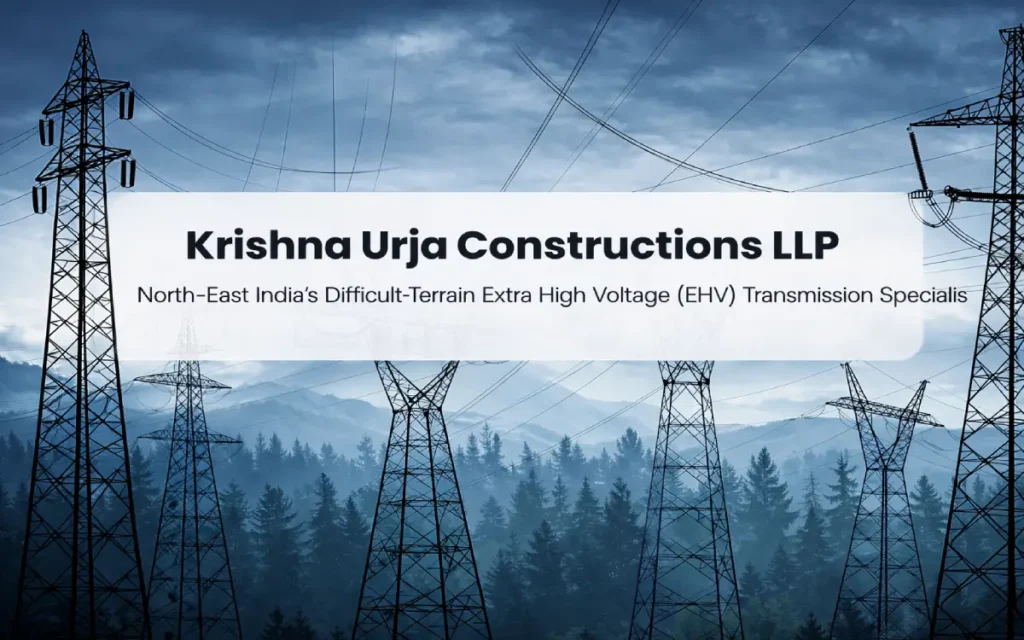
Companies such as Krishna Urja Constructions LLP contribute to the growth of utility transmission infrastructure by supporting professional project execution and high-quality transmission line development.