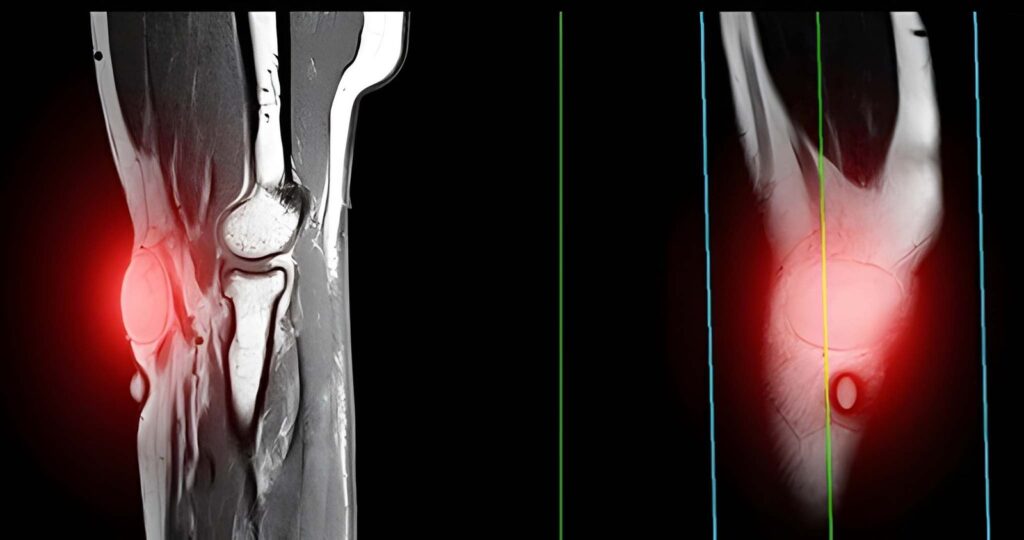
If you are noticing a soft lump under your skin that slowly seems to grow over time, it may be more than just a harmless bump. Many people delay getting it checked because lipomas are usually painless and slow-growing. However, early evaluation at a Harley Street dermatology clinic in London can help you understand whether the lump is truly a lipoma or something that needs medical attention.
Lipomas are generally benign (non-cancerous) fatty growths that develop under the skin. While they are not dangerous in most cases, they can become uncomfortable, increase in size, or affect appearance depending on their location. Recognizing the warning signs early can help you decide whether removal is the right step.
What Exactly Is a Lipoma?
A lipoma is a soft, fatty lump that grows between the skin and the underlying muscle layer. It is typically:
- Slow-growing and gradual in development over months or years
- Soft or rubbery when touched and usually movable under the skin
- Painless in most cases unless it presses on nerves or surrounding tissues
- Found anywhere on the body, commonly on the neck, shoulders, back, arms, or thighs
While lipomas are not cancerous, they should still be properly diagnosed to rule out other conditions that may look similar.
Early Signs You Should Not Ignore
Even though lipomas are usually harmless, certain changes can indicate that you should seek medical evaluation sooner rather than later. Paying attention to these signs is important.
- Noticeable increase in size over a short period, especially if the lump seems to be growing faster than expected
- Pain or discomfort, particularly when pressure is applied or when the lump is located near nerves or joints
- Hardening of the lump, as lipomas are usually soft, and a change in texture may require assessment
- Restricted movement if the lump is located near muscles or joints and interferes with daily activity
- Cosmetic concerns where the lump becomes visible or is emotionally distressing due to its appearance
These signs do not always mean something serious, but they are strong indicators that a professional opinion is needed.
Why People Delay Lipoma Treatment
Many individuals avoid seeking treatment because:
- The lump is painless and does not create any immediate sense of discomfort
- There is a misconception that all lumps are harmless and do not require medical attention
- Fear of surgical procedures or medical treatments
- Lack of awareness that lipomas can be safely and quickly removed
- Hope that the lump will naturally disappear over time, which rarely happens
Understanding these reasons helps explain why many patients only seek help when the lipoma has already grown significantly.
When Medical Evaluation Becomes Important
It is always advisable to get any unexplained lump checked by a qualified medical professional. A proper diagnosis may include a physical examination and, in some cases, imaging such as an ultrasound.
You should consider a medical evaluation if:
- The lump is larger than a few centimeters and continues to grow
- Multiple lumps are appearing in different areas of the body
- You experience persistent pain or tenderness in the area
- The lump feels fixed rather than movable under the skin
- There is uncertainty about whether it is a lipoma or another type of growth
Early consultation ensures peace of mind and prevents unnecessary complications later.
Lipoma Removal Treatment Options
Once diagnosed, lipomas can be removed if they cause discomfort, grow in size, or affect appearance. A lipoma removal treatment in London is typically straightforward and performed under local anesthesia.
Common treatment methods include:
- Surgical excision, where the entire lipoma is carefully removed through a small incision
- Minimal scar techniques that aim to reduce visible marks after healing
- Outpatient procedures that allow patients to return home the same day
- Local anesthesia options that ensure comfort during the procedure
The choice of treatment depends on the size, location, and depth of the lipoma.
What to Expect During Recovery
Recovery after lipoma removal is usually simple and quick. Most patients return to normal activities within a few days.
Typical recovery experiences include:
- Mild swelling or bruising around the treated area for a short period
- Small stitches that may be removed after a follow-up appointment
- Minimal discomfort managed with over-the-counter pain relief if needed
- Gradual healing of the incision site over one to two weeks
- Reduced risk of recurrence if the entire lipoma is successfully removed
Following aftercare instructions helps ensure smooth healing and better cosmetic results.
Why Early Action Matters
Delaying treatment may lead to:
- Larger and more noticeable lumps over time
- Increased difficulty in removal if the lipoma grows deeper into tissues
- Greater cosmetic concerns, especially in visible areas
- Potential discomfort if the lipoma presses on nerves or muscles
Timely evaluation often leads to easier management and more effective results.
FAQs
Are lipomas dangerous?
Lipomas are usually benign and not dangerous. However, any lump should be checked to confirm the diagnosis.
Can a lipoma go away on its own?
No, lipomas typically do not disappear without treatment. They may remain stable or slowly grow over time.
Is lipoma removal painful?
The procedure is performed under local anesthesia, so pain during removal is minimal. Some mild discomfort may occur during recovery.
Can lipomas come back after removal?
In most cases, complete removal prevents recurrence, but new lipomas can develop in other areas.
How long does lipoma removal take?
The procedure is usually quick, often completed within 30 to 60 minutes, depending on size and location.
Conclusion
Lipomas are generally harmless, but ignoring changes in size, texture, or comfort can lead to unnecessary complications. Early evaluation and timely treatment ensure better cosmetic and medical outcomes. If you notice any unusual lump or growth under your skin, it is always wise to consult a qualified specialist rather than waiting for it to worsen.
Taking action early helps ensure peace of mind and a simpler treatment process, especially when managed by experienced medical professionals in a clinical setting.