pancreas infection treatment
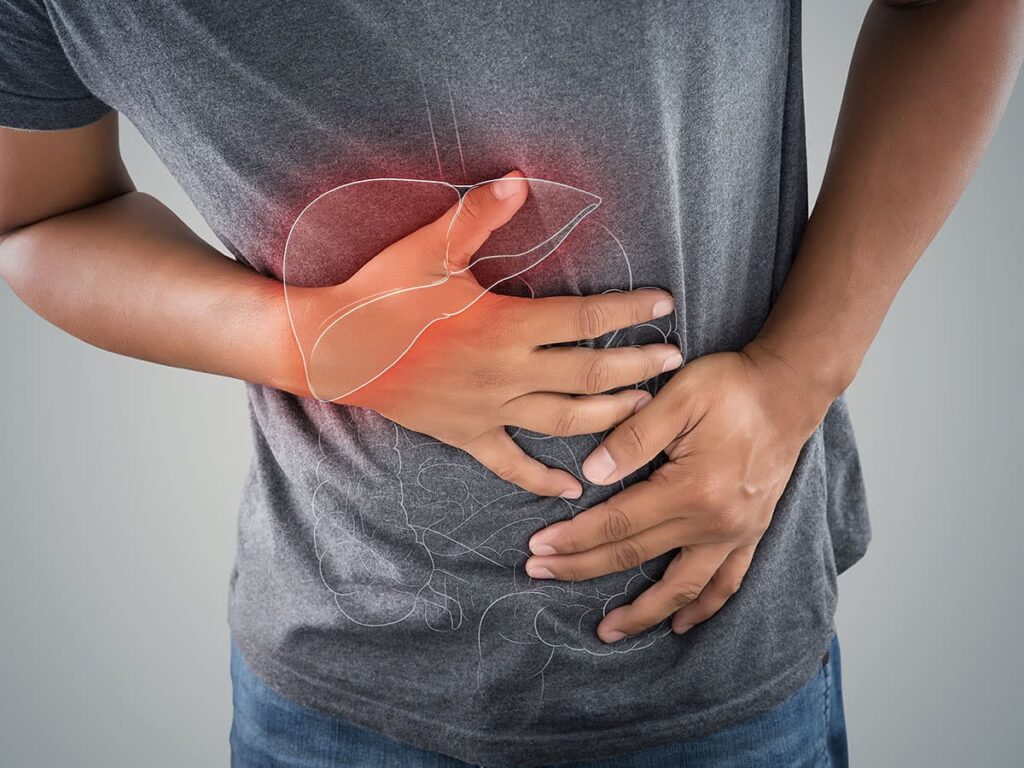
Ignoring persistent stomach pain because it feels “manageable” can sometimes lead to serious health risks. What begins as discomfort in the upper abdomen may slowly worsen, affecting appetite, energy levels, and overall daily comfort. Many people continue with home remedies, assuming it is a routine digestive issue, which can delay proper diagnosis. In some cases, when such symptoms are associated with fever, worsening abdominal tenderness, or digestive disturbances that do not improve, they may indicate a more serious underlying infection involving the pancreas. This delay often allows the underlying condition to progress unnoticed.
In such situations, pancreas infection treatment becomes essential to control the infection and prevent further spread. Early medical attention can reduce complications and support better recovery outcomes. Recognising when pain is not normal can make a crucial difference.
Progression to Pancreatic Tissue Damage (Necrosis)
Untreated pancreatic infection can lead to severe inflammation that gradually damages healthy pancreatic tissue. This condition, known as necrosis, can significantly affect pancreatic function. As tissue damage progresses, the organ becomes less effective in producing digestive enzymes.
- The pancreas loses its ability to function normally over time.
- Increased risk of infection spreading to the surrounding abdominal areas.
- Permanent structural damage if the condition remains untreated.
Early medical intervention is important to prevent irreversible tissue loss. Timely treatment can help preserve pancreatic function and reduce long-term complications.
Formation of Pancreatic Abscess and Pus Collection
When infection continues without treatment, pus may collect within or around the pancreas. This leads to a pancreatic abscess, which can worsen symptoms and increase complications.
- Persistent abdominal pain that gradually becomes more severe.
- Fever along with chills and ongoing discomfort.
- Swelling or tenderness in the abdominal region due to infection buildup.
Early diagnosis can prevent the abscess from growing or rupturing. Proper medical care helps control infection and supports faster recovery.
Risk of Sepsis and Bloodstream Infection Spread
In severe cases, bacteria from the infected pancreas can enter the bloodstream. This may lead to sepsis, a life-threatening condition affecting the entire body. In such situations, treatment for pancreatic infection becomes critical to prevent further deterioration.
- Sudden drop in blood pressure leading to poor circulation.
- Reduced oxygen supply to vital organs, affecting normal function.
- High fever, confusion, and extreme weakness in the body.
Immediate treatment is critical to prevent the infection from spreading further. Timely care can significantly reduce the risk of life-threatening complications.
Development of Multi-Organ Dysfunction
As pancreatic infection worsens, it may begin to affect multiple organs. This can lead to organ dysfunction, in which normal bodily processes begin to fail.
- Kidneys, which may struggle to filter waste effectively.
- Lungs, which may experience difficulty in maintaining oxygen levels.
- The heart, which may be impacted due to reduced blood circulation.
Early hospital care can help stabilise organ function before damage becomes severe. Prompt intervention improves the chances of recovery and survival.
Formation of Pancreatic Pseudocysts
Pancreatic infection may also lead to fluid-filled sacs known as pseudocysts. These form after inflammation or tissue injury in the pancreas.
- Abdominal discomfort or pressure that persists over time.
- A feeling of bloating or fullness, especially after meals.
- Digestive discomfort that affects daily eating patterns.
Regular monitoring can help detect changes in pseudocysts early. Timely management can prevent rupture or further complications.
Inflammation of the Abdominal Lining (Peritonitis)
If the infection spreads beyond the pancreas, it may irritate the abdominal lining, leading to peritonitis. This is a serious condition requiring urgent care.
- Severe abdominal pain that worsens with movement or pressure.
- Fever along with noticeable abdominal tenderness.
- Stiffness or rigidity in the abdominal region.
Quick medical attention is essential to control the spread. Early treatment helps reduce pain and prevent severe abdominal complications.
Long-Term Digestive Issues and Nutrient Malabsorption
Damage to the pancreas can affect its ability to produce digestive enzymes. This leads to long-term digestive issues, even after the infection is treated.
- Poor digestion of food causes discomfort and a feeling of heaviness.
- Gradual weight loss and ongoing physical weakness.
- Deficiency of essential nutrients affects overall health.
Ongoing medical follow-up can help manage digestive health effectively. Proper care supports better nutrition and long-term wellbeing.
Importance of Early Diagnosis and Medical Intervention
Pancreatic infections can worsen quickly if not identified and treated in the early stages. Delayed diagnosis often allows inflammation and infection to spread, increasing the risk of serious complications. Early medical evaluation helps doctors understand the severity of the condition and begin appropriate care without delay.
- Blood tests and imaging scans to detect infection and inflammation.
- Assessment of abdominal symptoms and overall patient condition.
- Early initiation of supportive care, such as fluids, antibiotics, and pain management.
Timely medical intervention plays a key role in preventing complications like organ failure and sepsis. Early treatment also improves recovery outcomes and helps protect long-term pancreatic health.
Conclusion
Untreated pancreatic infections can progress from local inflammation to severe complications such as abscesses, sepsis, organ dysfunction, and long-term digestive issues. Each stage highlights how quickly the condition can worsen when medical care is delayed. Understanding these risks helps patients recognise symptoms early and avoid preventable health deterioration.
Timely treatment for pancreatic infection plays a key role in controlling infection, protecting pancreatic function, and reducing the risk of life-threatening complications. Early diagnosis and prompt medical attention can significantly improve recovery outcomes and long-term digestive health.