Car Diagnostic Test Near Me: Understanding What Happens When Your Car Is Scanned in the UK
When drivers search for a car diagnostic test Near Me, they are usually dealing with something uncertain. It might be a warning light on the dashboard, a sudden change in engine performance, or just a sense that the car is not running as smoothly as it should. In the UK, diagnostic testing has become a standard first step before any repair work because modern vehicles rely heavily on electronic systems that store fault information. Understanding what this test does can help drivers make more informed decisions and avoid unnecessary repairs.
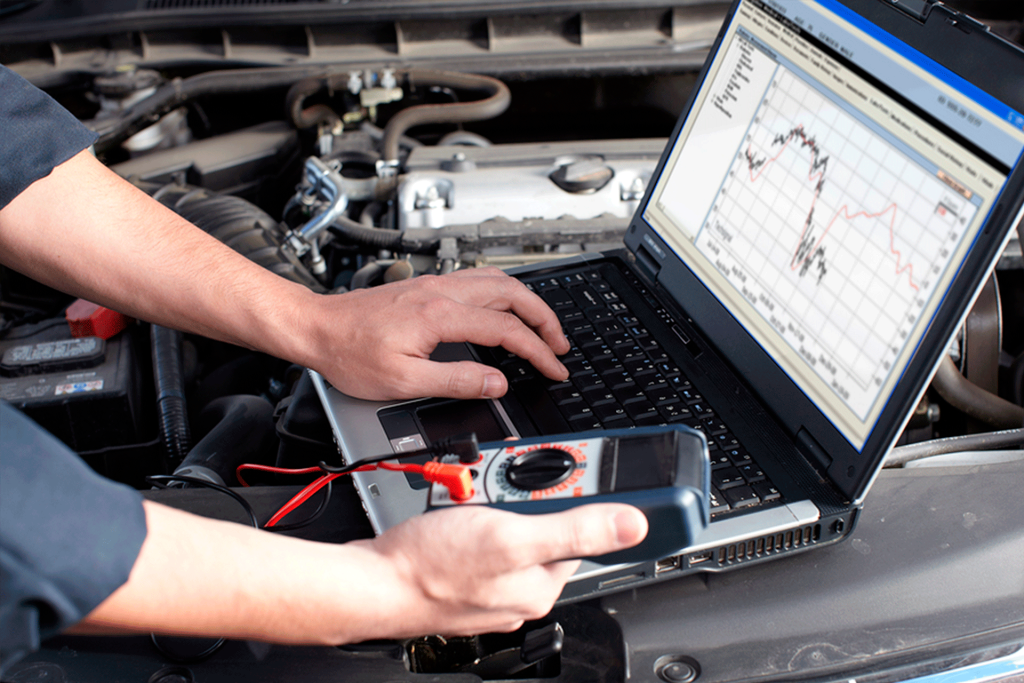
A car diagnostic test Near Me is essentially a digital health check for your vehicle. Instead of guessing what might be wrong, technicians connect a diagnostic scanner to the car’s onboard system to retrieve fault codes. These codes point to specific areas that may need attention, such as the engine, transmission, exhaust system, or sensors. It is not a repair in itself, but it provides the direction needed for accurate troubleshooting.
What a car diagnostic test actually does
A modern car contains dozens of electronic control units that manage everything from fuel injection to braking systems. A diagnostic test communicates with these systems using an OBD-II (On-Board Diagnostics) scanner.
The scanner reads fault codes stored by the vehicle’s computer. These codes are not always direct answers but indicators of where a problem may exist. For example, a code might suggest an oxygen sensor issue, but further inspection is needed to confirm whether the sensor itself is faulty or if there is a wiring or exhaust-related issue.
In practice, this saves time compared to traditional mechanical troubleshooting. Instead of manually checking every component, technicians start with data provided by the vehicle itself. This approach is now standard across most garages in the UK, including independent workshops such as S&M Auto Service, where diagnostics are often the first step before any mechanical repair is recommended.
Why UK drivers search for a car diagnostic test Near Me
Most drivers do not book diagnostics as a routine service. It usually starts with a problem. One of the most common triggers is the engine management light appearing on the dashboard. This light can indicate anything from a minor sensor issue to a more serious engine fault.
Other reasons include reduced fuel efficiency, unusual engine noise, difficulty starting the car, or limp mode activation, where the vehicle restricts performance to prevent damage. In many cases, drivers search for a car diagnostic test UK service because they want quick clarity before committing to repairs.
There is also a growing awareness among UK motorists that modern cars are too complex to diagnose by guesswork alone. A single symptom can have multiple causes, and without diagnostic data, it is easy to replace the wrong part.
How the diagnostic process works in modern vehicles
The diagnostic process begins with a visual check, followed by connecting the scan tool to the car’s OBD port, usually located under the dashboard. Once connected, the technician runs a full system scan.
This scan checks multiple systems, including:
- Engine performance and emissions
- Transmission behaviour
- ABS and braking systems
- Airbag and safety modules
- Electrical and sensor networks
Once the codes are retrieved, they are interpreted using manufacturer data and repair databases. However, experienced technicians know that fault codes are only part of the story. For example, a misfire code does not always mean a faulty spark plug; it could also be caused by fuel delivery issues or air intake problems.
This is why diagnostics require both technical tools and practical experience. The scanner provides direction, but the technician confirms the real cause through inspection and testing.
Understanding car diagnostic test UK standards and MOT relevance
In the UK, diagnostic testing is closely linked to vehicle maintenance and MOT preparation. While a diagnostic test is not part of the MOT itself, many issues identified during MOT failures are first detected through diagnostic scanning.
Modern MOT testing includes checks on emissions, safety systems, and onboard electronics. If a vehicle fails due to an emissions-related issue, a diagnostic scan is often used to identify the root cause.
For example, a faulty diesel particulate filter or oxygen sensor may not be obvious during a visual inspection, but it will usually generate a fault code that appears during a scan. This connection between diagnostics and MOT compliance has made diagnostic testing a routine part of responsible vehicle ownership in the UK.
Drivers searching for car diagnostic Trowbridge services, for instance, are often preparing for MOT tests or responding to warning lights that could affect roadworthiness.
Local garages, real-world scenarios, and how diagnostics are used in practice
In smaller towns and communities across the UK, diagnostic testing plays an important role in keeping vehicles on the road without unnecessary expense. In places like Trowbridge, independent garages handle a wide range of vehicles, from older petrol engines to newer hybrid systems.
A common scenario involves a driver noticing a sudden drop in fuel economy and an engine warning light. Without diagnostics, this could lead to unnecessary part replacements. With a scan, the issue might be traced to a simple airflow sensor fault or a loose connection.
Independent workshops such as S&M Auto Service typically use diagnostics as a starting point rather than an end solution. This allows them to provide more accurate repair recommendations based on actual data rather than assumptions.
Another real-world example is intermittent electrical faults. These are often difficult to replicate manually but can be logged by the vehicle’s computer over time. Diagnostic tools can review historical data, helping technicians identify patterns that would otherwise go unnoticed.
When you should consider getting a diagnostic test
There is a common misconception that diagnostic tests are only needed when a major problem occurs. In reality, there are several situations where early testing can prevent more serious damage.
One clear sign is any dashboard warning light, especially engine or emissions-related alerts. Even if the car feels normal, these lights indicate that the system has detected an abnormal reading.
Other situations include:
- Noticeable loss of power during acceleration
- Unusual vibrations or engine roughness
- Increased fuel consumption without explanation
- Difficulty starting the vehicle
- Pre-MOT checks for peace of mind
In some cases, drivers also choose diagnostics after purchasing a used vehicle. This helps confirm whether the car has hidden issues that are not immediately visible during a test drive.
The key point is that modern vehicles often fail gradually rather than suddenly. Diagnostics help identify early warning signs before they turn into expensive repairs.
Conclusion
A Car diagnostic Trowbridge is no longer just a technical service for when something goes wrong. In the UK, it has become a practical tool for understanding vehicle health, preventing breakdowns, and supporting accurate repairs. From engine warning lights to subtle performance changes, diagnostic scanning provides structured insight into complex automotive systems. Whether in larger cities or smaller locations like Trowbridge, it plays a consistent role in modern vehicle maintenance and decision-making, helping drivers address issues based on data rather than guesswork.