Ashtanga Yoga Vinyasa Sequence: Building Strength, Flow, and Mindful Movement
Understanding the Foundation of the Ashtanga Yoga Vinyasa Sequence
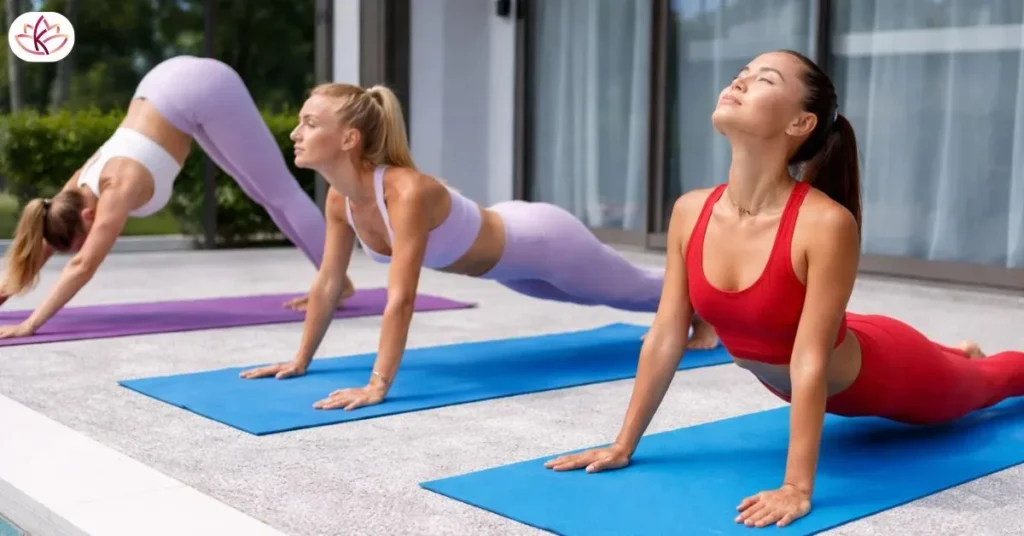
The Ashtanga Yoga Vinyasa Sequence is a powerful and structured practice that combines breath, movement, and focused awareness into a continuous flow. Rooted in the traditional teachings of Ashtanga Yoga, this sequence follows a systematic approach where each posture is connected through specific transitional movements known as vinyasas. The synchronization of breath with movement creates a moving meditation that helps practitioners develop physical strength, flexibility, endurance, and mental clarity. Unlike yoga styles that vary from class to class, the Ashtanga Yoga Vinyasa Sequence follows a consistent order of postures, allowing students to deepen their understanding of each pose and observe their progress over time. This disciplined structure provides a strong foundation for both beginners and advanced practitioners seeking a balanced and transformative yoga practice.
The Importance of Breath in the Ashtanga Yoga Vinyasa Sequence
Breath serves as the central element within the Ashtanga Yoga Vinyasa Sequence. Every movement is guided by inhalation or exhalation, creating a seamless connection between the body and mind. This conscious breathing technique helps practitioners remain present throughout the practice while improving oxygen flow and circulation. Deep, steady breathing not only supports physical movement but also calms the nervous system and encourages mental focus. As students move through the sequence, the breath acts as an anchor, helping them maintain rhythm and stability even during challenging postures. Over time, this breath-centered approach cultivates mindfulness that extends beyond the yoga mat and into daily life, promoting greater emotional balance and stress management.
Building Physical Strength Through Consistent Practice
One of the most notable benefits of the Ashtanga Yoga Vinyasa Sequence is its ability to build functional strength throughout the entire body. The sequence includes standing poses, seated postures, balances, twists, and arm-supported movements that engage multiple muscle groups simultaneously. Regular practice strengthens the core, improves posture, enhances joint stability, and develops muscular endurance. Unlike isolated strength-training exercises, the flowing nature of the sequence encourages the body to work as an integrated system. As practitioners repeatedly move through the established series, they gradually develop greater control, resilience, and confidence in their physical abilities. This steady progression makes the practice both challenging and rewarding, regardless of experience level.
Enhancing Flexibility and Mobility Naturally
The Ashtanga Yoga Vinyasa Sequence is equally effective for improving flexibility and mobility. The carefully arranged postures are designed to open the hips, lengthen the hamstrings, release tension in the shoulders, and improve spinal mobility. As the body becomes warmer through continuous movement, muscles and connective tissues can safely stretch and adapt over time. Unlike forcing flexibility through aggressive stretching, the sequence encourages gradual development through mindful repetition and proper alignment. Practitioners often notice increased freedom of movement, reduced stiffness, and improved overall comfort in everyday activities. This balanced approach helps create a body that is not only flexible but also strong and stable.
Mental Focus and the Meditative Nature of Practice
Beyond its physical benefits, the Ashtanga Yoga Vinyasa Sequence offers a profound mental and emotional experience. The combination of breath control, movement synchronization, and concentration creates a deeply meditative state. Practitioners are encouraged to direct their gaze toward specific focal points, known as drishti, which helps reduce distractions and sharpen concentration. As attention remains anchored to breath and movement, the mind naturally becomes quieter and more focused. Many students find that regular practice improves mental clarity, emotional resilience, and the ability to manage daily stress. This meditative quality transforms the sequence into more than a physical workout, making it a holistic practice that nurtures both body and mind.
The Role of Discipline and Consistency
Consistency is a defining characteristic of the Ashtanga Yoga Vinyasa Sequence. Because the sequence follows a structured order, practitioners develop a sense of discipline and commitment through regular practice. This repetition allows them to become familiar with each posture, refine alignment, and recognize subtle changes in their bodies and minds. The practice teaches patience, perseverance, and self-awareness, as progress often occurs gradually rather than instantly. Over time, students learn to appreciate the value of showing up consistently, regardless of external circumstances. This disciplined approach often extends into other areas of life, encouraging greater focus, dedication, and personal growth.
Benefits for Modern Lifestyles
In today’s fast-paced world, the Ashtanga Yoga Vinyasa Sequence offers an effective way to counteract the effects of prolonged sitting, stress, and mental overload. The dynamic movements improve circulation, support healthy posture, and release accumulated tension from the body. The emphasis on mindful breathing provides a natural tool for managing anxiety and promoting relaxation. Regular practice can help individuals feel more energized, balanced, and connected to themselves. Whether practiced in the morning to begin the day with clarity or in the evening to release stress, the sequence provides a meaningful opportunity to step away from distractions and cultivate a sense of inner stability.
Developing a Lifelong Yoga Journey
The Ashtanga Yoga Vinyasa Sequence is often viewed as a lifelong practice because it continually offers new opportunities for growth and self-discovery. As practitioners gain experience, they begin to notice deeper layers of awareness, refinement, and understanding within the sequence. Each posture becomes an opportunity to explore strength, flexibility, breath control, and mindfulness from a fresh perspective. Rather than focusing solely on achieving advanced poses, the practice encourages continuous learning and personal evolution. This journey fosters a deeper connection between the body, mind, and breath, making the sequence a valuable companion for long-term health, well-being, and self-development.
Conclusion
The Ashtanga Yoga Vinyasa Sequence represents a unique blend of movement, breath, discipline, and mindfulness. Its structured format provides a clear pathway for developing physical strength, flexibility, balance, and mental focus. Through consistent practice, students experience not only improved fitness but also greater self-awareness and emotional well-being. By uniting breath and movement in a purposeful flow, the sequence creates a transformative experience that supports holistic growth and encourages a deeper connection to oneself. Whether practiced by beginners or seasoned yogis, the Ashtanga Yoga Vinyasa Sequence remains a timeless and effective approach to cultivating health, vitality, and inner peace.