Surgical scrubs
Healthcare environments rely on a combination of skilled professionals, advanced technology, and strict hygiene practices. Among the many elements that support patient safety and clinical efficiency, surgical scrubs continue to play a fundamental role. Worn by surgeons, nurses, technicians, and other healthcare workers, these garments are designed to support infection control, workplace comfort, and professional standards. While they may appear simple, surgical scrubs have evolved significantly over the years. Modern designs now focus on durability, functionality, and comfort while meeting the demanding requirements of healthcare environments. Understanding their purpose and importance helps explain why they remain a standard part of medical practice across Australia and around the world.

The Purpose of Surgical Scrubs in Healthcare

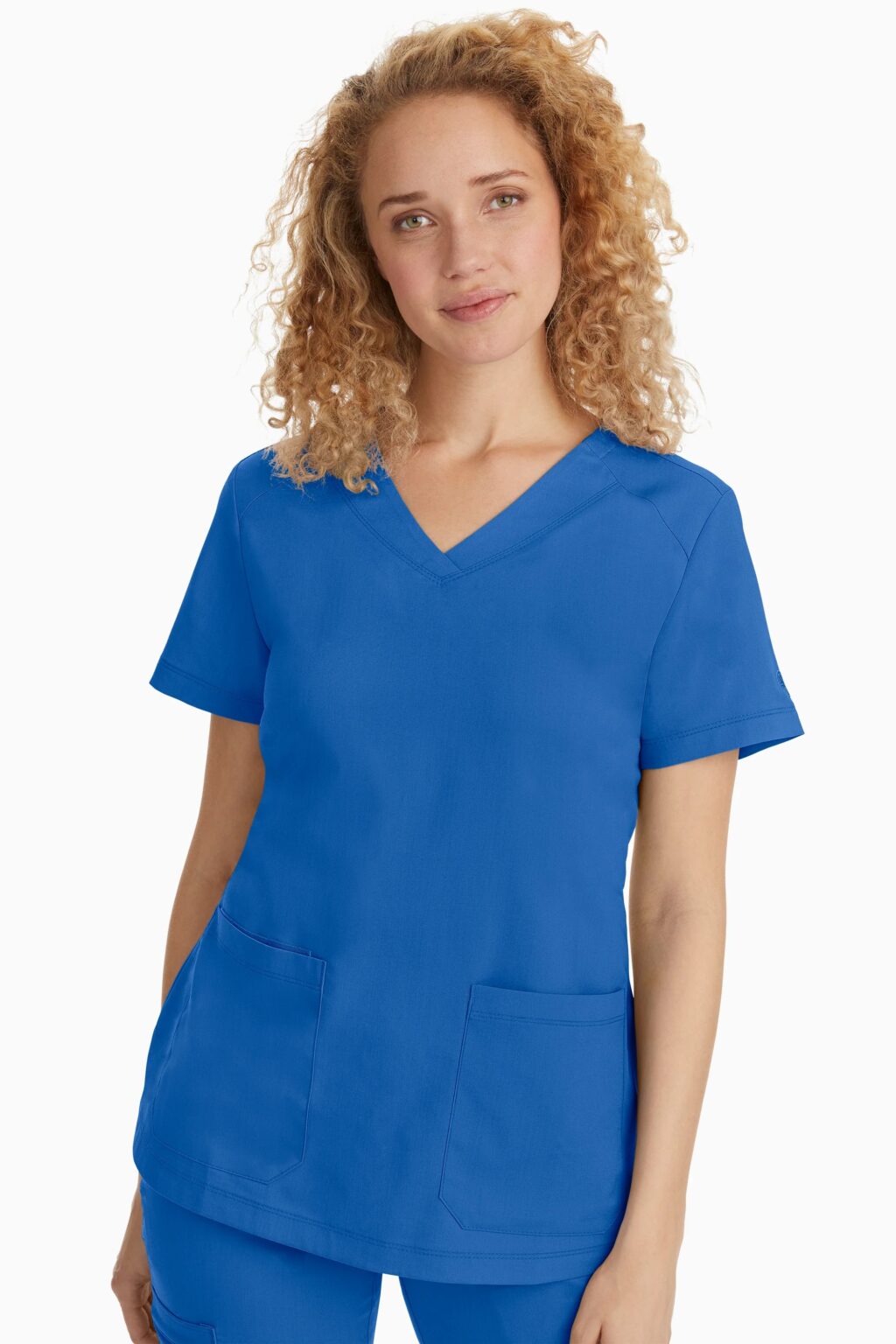
Surgical scrubs are specialized uniforms created for use in hospitals, clinics, surgical centres, and other healthcare facilities. Their primary purpose is to reduce the risk of contamination while providing healthcare professionals with practical clothing that allows unrestricted movement during long shifts. Unlike everyday clothing, scrubs are manufactured using materials that can withstand frequent washing at high temperatures. This helps maintain hygiene standards while ensuring garments remain durable despite repeated use. In operating theatres and clinical settings, maintaining a clean environment is critical. Surgical scrubs contribute to infection prevention strategies by providing a standardized garment that can be cleaned and replaced regularly.

How Surgical Scrubs Support Infection Control

One of the key reasons surgical scrubs are widely used is their role in infection control. Healthcare facilities implement strict protocols to minimize the spread of bacteria, viruses, and other contaminants. Scrubs help support these efforts by:
  • Providing dedicated work attire separate from everyday clothing
  • Reducing the transfer of contaminants between environments
  • Allowing easy laundering and sanitization
  • Supporting compliance with workplace hygiene requirements
For example, a nurse working in a busy emergency department may encounter multiple patients throughout a shift. Having access to clean scrubs helps reduce the possibility of carrying contaminants from one area to another. While scrubs alone do not prevent infections, they form part of a broader infection-control system that includes hand hygiene, personal protective equipment, and environmental cleaning procedures.

Surgical Scrubs and Workplace Comfort

Healthcare professionals often work long shifts that require constant movement, bending, lifting, and standing. As a result, comfort has become an increasingly important consideration in scrub design. Modern surgical scrubs commonly include features such as:
  • Breathable fabrics
  • Moisture-management properties
  • Lightweight construction
  • Stretch materials for mobility
  • Reinforced stitching for durability

A surgeon performing several procedures during a day or a nurse working a twelve-hour shift benefits from clothing designed to move comfortably throughout demanding tasks. Australian healthcare facilities increasingly recognize that comfortable workwear can contribute to employee satisfaction and support workplace performance, particularly in fast-paced clinical environments.

Choosing Quality Surgical Scrubs

Not all scrubs are manufactured to the same standard. Healthcare organizations often evaluate several factors when selecting uniforms for their teams. Important considerations include:

Fabric Performance

The fabric must withstand frequent washing and sterilization processes while maintaining its shape and appearance. Polyester-cotton blends remain popular because they balance durability and comfort.

Fit and Functionality

Healthcare workers require garments that allow freedom of movement without compromising professional appearance. Functional pockets and practical designs can improve day-to-day efficiency.

Durability

Medical uniforms are subject to significant wear. High-quality scrubs maintain their integrity after repeated laundering and daily use.

Compliance Requirements

Healthcare providers must ensure uniforms align with workplace safety and hygiene policies. This includes selecting garments that meet institutional guidelines and industry standards.

Trends in Surgical Scrubs Across Australia

Healthcare apparel has changed considerably over the past decade. Australian healthcare facilities now place greater emphasis on both functionality and staff wellbeing when selecting uniforms. Several trends are shaping the market:

Sustainable Materials

Many manufacturers are exploring environmentally responsible fabrics and production methods. Sustainable textiles are becoming increasingly relevant as organizations seek to reduce their environmental impact.

Improved Fabric Technology

Advanced fabric blends offer greater breathability, flexibility, and moisture control. These features help healthcare workers remain comfortable during extended shifts.

Inclusive Sizing

Modern healthcare uniforms are available in a wider range of sizes and fits, helping organizations accommodate diverse workforces.

Professional Identity

Different colours and styles are often used to help identify departments, clinical roles, or healthcare teams. This can improve communication and navigation within large healthcare facilities. These developments reflect the growing recognition that uniforms contribute to both operational efficiency and employee experience.

The Importance of Reliable Medical Uniform Suppliers

Healthcare organizations depend on consistent access to quality uniforms. Reliable suppliers play an important role in ensuring healthcare workers receive garments that meet practical and professional requirements. In Australia, companies such as Wash N Wear contribute to the broader healthcare apparel sector by supplying medical uniforms designed for clinical environments. The focus across the industry continues to be on balancing durability, comfort, hygiene, and functionality. Selecting appropriate medical workwear requires consideration of workplace needs, laundering requirements, staff comfort, and long-term performance.

Looking Beyond Appearance

Although surgical scrubs are often viewed simply as healthcare uniforms, their significance extends far beyond appearance. They support infection-control measures, contribute to workplace professionalism, and provide practical benefits for healthcare workers performing demanding tasks every day. As healthcare environments continue to evolve, the design and functionality of surgical scrubs will likely advance alongside broader developments in medical practice and workplace standards. Whether used in hospitals, specialist clinics, aged care facilities, or outpatient centres, these garments remain an important component of modern healthcare operations.

Conclusion

Surgical scrubs Australia continue to serve an essential purpose in healthcare settings by supporting hygiene protocols, workplace comfort, and professional standards. Their role extends beyond uniformity, helping healthcare professionals perform their duties in environments where cleanliness and efficiency are critical. As healthcare organizations across Australia adapt to changing workforce needs and industry expectations, well-designed surgical scrubs remain a practical and dependable part of everyday clinical practice.

Leave a Reply

Your email address will not be published. Required fields are marked *