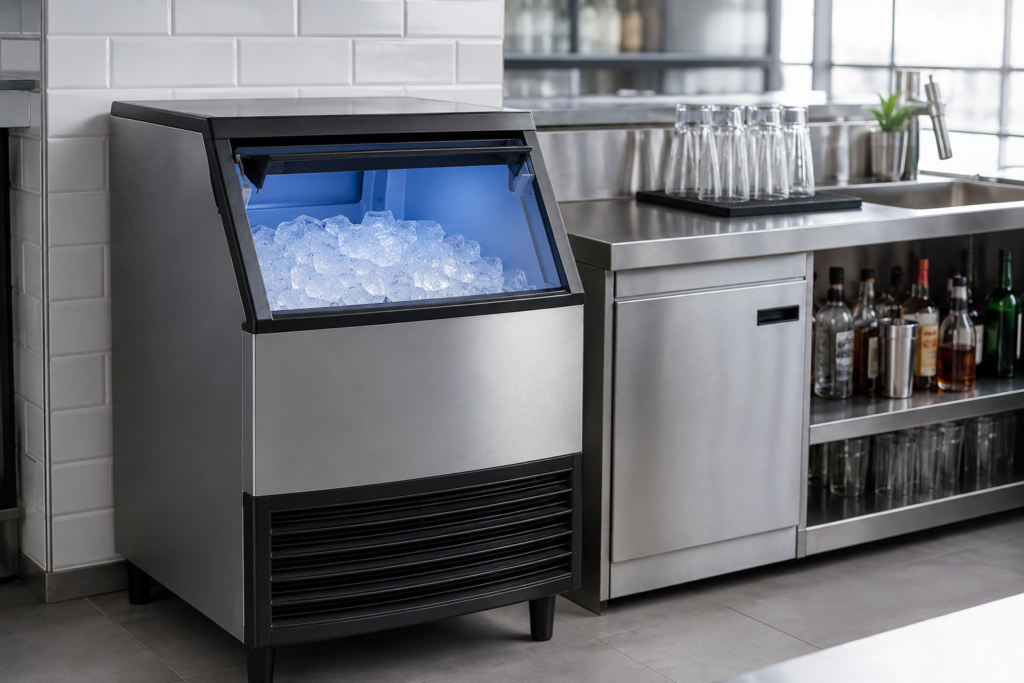
A commercial ice maker machine is one of the hardest-working pieces of equipment in any restaurant, hotel, café, or foodservice business. Unlike many kitchen appliances that are used only during service hours, an ice maker machine often operates around the clock to ensure a constant supply of ice. This continuous operation makes regular maintenance essential.
In 2026, more businesses are moving beyond traditional maintenance schedules and adopting predictive maintenance. Instead of waiting for equipment to break down or following fixed service intervals, predictive maintenance uses performance data, smart monitoring, and early warning signs to identify potential issues before they become costly repairs.
For Canadian restaurants facing rising labour costs, utility expenses, and customer expectations, predictive maintenance is becoming a smarter way to protect equipment investments and keep kitchens running efficiently.
What Is Predictive Maintenance?
Predictive maintenance is a proactive approach that monitors the condition and performance of equipment to detect problems before they lead to failure.
Rather than repairing an ice maker machine after it stops producing ice, predictive maintenance focuses on identifying small issues early, such as reduced production, unusual operating temperatures, restricted water flow, or excessive compressor workload.
Addressing these issues early helps businesses avoid unexpected downtime and expensive emergency repairs.
Why Ice Maker Machine Downtime Is Expensive
When an ice maker machine stops working during peak service, the impact goes far beyond the repair bill.
Restaurants may experience:
- Delayed beverage service
- Reduced customer satisfaction
- Increased purchases of bagged ice
- Higher labour costs
- Lost sales during busy hours
- Food safety concerns for chilled displays
For businesses that depend on a continuous supply of ice, even a few hours of downtime can disrupt daily operations.
How Smart Technology Is Changing Ice Machine Maintenance
Modern commercial ice maker machine models are becoming more intelligent than ever before.
Many premium units now include features such as:
- Performance monitoring
- Automatic maintenance reminders
- Self-diagnostic systems
- Digital control panels
- Error notifications
- Remote monitoring capabilities
These technologies help operators identify potential issues before they develop into major mechanical failures.
For restaurant managers with multiple locations, remote monitoring can simplify maintenance planning and reduce unnecessary service visits.
Early Warning Signs You Should Never Ignore
Most commercial ice machines show signs of trouble before they fail completely.
Common warning signs include:
- Slower ice production
- Smaller or misshapen ice cubes
- Unusual operating noises
- Water leaks
- Higher electricity consumption
- Longer production cycles
- Ice with an unusual taste or odour
Ignoring these symptoms can shorten the lifespan of your ice maker machine and increase repair costs.
Predictive Maintenance vs. Reactive Maintenance
Many businesses still rely on reactive maintenance, meaning repairs begin only after equipment fails.
Predictive maintenance offers several advantages:
| Reactive Maintenance | Predictive Maintenance |
|---|---|
| Repairs after failure | Detects problems early |
| Higher emergency repair costs | Lower maintenance costs |
| Unexpected downtime | Improved reliability |
| Greater risk of business interruption | Better operational planning |
| Shorter equipment lifespan | Longer equipment lifespan |
By addressing small issues before they become serious, businesses can keep their equipment operating at peak efficiency throughout the year.
How Predictive Maintenance Extends Equipment Life
Routine monitoring helps protect the most important components of an ice maker machine, including the compressor, condenser, evaporator, water pump, and filtration system.
Simple maintenance tasks such as replacing water filters, cleaning condenser coils, removing mineral scale, checking water pressure, and inspecting drainage systems reduce wear on internal components.
Over time, these preventive measures can significantly extend equipment life while maintaining consistent ice production and reducing energy consumption.
A Predictive Maintenance Checklist for Your Ice Maker Machine
Following a regular maintenance schedule can help keep your ice maker machine operating efficiently throughout the year. While professional servicing is recommended, there are several routine checks that restaurant owners and kitchen staff can perform.
- Clean the machine according to the manufacturer’s recommendations.
- Replace water filters regularly.
- Inspect water supply lines for leaks or blockages.
- Clean condenser coils to improve airflow.
- Check the drain line to prevent clogs.
- Monitor ice production and ice quality.
- Listen for unusual noises during operation.
- Schedule professional maintenance at least twice a year.
Keeping a simple maintenance log also helps identify recurring issues before they become expensive repairs.
Common Causes of Ice Maker Machine Failure
Many equipment failures are preventable with proper maintenance. The most common causes include:
- Hard water and mineral scale buildup
- Dirty condenser coils
- Clogged water filters
- Poor ventilation
- Inadequate cleaning
- Worn water pumps
- Faulty sensors or thermostats
Ignoring these issues forces an ice maker machine to work harder, increasing energy consumption and reducing its overall lifespan.
Why Predictive Maintenance Makes Financial Sense
Investing in predictive maintenance is often far less expensive than dealing with emergency equipment failures.
Businesses can benefit from:
- Lower repair costs
- Reduced emergency service calls
- Improved energy efficiency
- Longer equipment lifespan
- Consistent ice production
- Better food safety compliance
- Increased customer satisfaction
For restaurants that depend on a continuous supply of ice, preventing downtime can also protect daily revenue and reduce the need to purchase bagged ice during equipment failures.
Best Practices for Canadian Restaurants
Canadian foodservice businesses experience changing seasonal demand throughout the year. Summer patios, festivals, sporting events, and tourism can significantly increase ice consumption.
To keep an ice maker machine performing at its best:
- Size the machine for peak seasonal demand.
- Install a quality water filtration system.
- Maintain proper ventilation around the unit.
- Perform routine cleaning and inspections.
- Replace worn components before they fail.
- Schedule maintenance before the busy summer season.
These simple steps help maintain reliable ice production while reducing operating costs.
The Future of Commercial Ice Maker Machines
Commercial kitchens are becoming smarter, and ice maker machine technology is evolving alongside them. New models are incorporating digital monitoring, automatic cleaning programs, remote diagnostics, and energy-saving features that simplify maintenance and improve reliability.
As connected kitchen equipment becomes more common, predictive maintenance will continue to help businesses reduce downtime, improve operational efficiency, and maximize equipment performance.
Final Thoughts
An ice maker machine is a vital investment for restaurants, cafés, hotels, healthcare facilities, and other foodservice businesses. Waiting until equipment breaks down can lead to expensive repairs, service interruptions, and lost revenue.
Predictive maintenance offers a smarter approach by identifying small problems before they become major failures. With regular inspections, proper cleaning, water filtration, and modern monitoring technology, businesses can extend the life of their ice maker machine, reduce operating costs, and ensure a dependable supply of ice throughout the year.
As Canada’s foodservice industry continues to modernize, businesses that adopt proactive maintenance strategies will be better positioned to improve efficiency, protect their equipment investment, and deliver exceptional service to customers in every season.