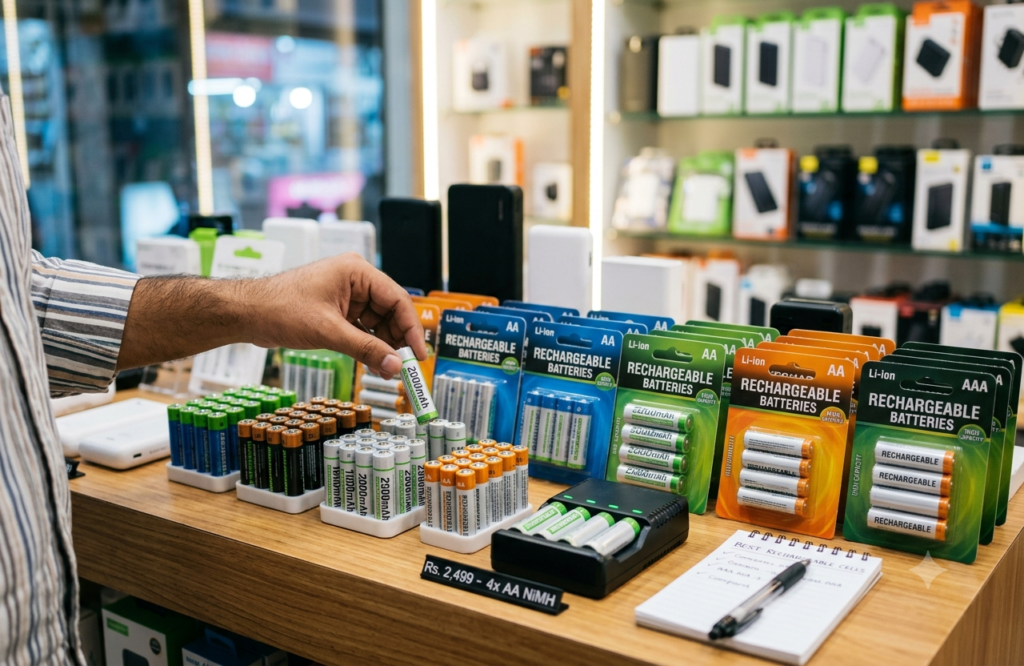
The rechargeable cell price is one of the first things buyers consider when shopping for batteries. Whether you need rechargeable cells for household electronics, cameras, flashlights, toys, or industrial equipment, understanding pricing helps you make a smart purchase. While rechargeable batteries often cost more upfront than disposable ones, they save money over time because they can be recharged hundreds or even thousands of times.
The market offers various rechargeable battery types, including AA, AAA, 18650 lithium-ion cells, NiMH batteries, and specialized rechargeable cells for power tools and electronics. Prices vary depending on battery chemistry, capacity, brand, quality, and charging performance.
In this guide, you’ll learn everything about rechargeable cell price, what affects battery costs, average price ranges, and how to choose the right rechargeable battery without overspending.
What Is a Rechargeable Cell?
A rechargeable cell is a battery designed to be used repeatedly after being charged. Unlike single-use batteries that must be discarded once empty, rechargeable batteries can regain their energy through a compatible charger.
Popular rechargeable battery types include:
- Nickel Metal Hydride (NiMH)
- Lithium-Ion (Li-ion)
- Lithium Iron Phosphate (LiFePO4)
- Nickel Cadmium (NiCd)
Each battery type serves different applications, which also influences the rechargeable cell price.
Average Rechargeable Cell Price
The cost of rechargeable batteries depends on their type and intended use. Below is a general overview.
| Battery Type | Average Price (USD) |
|---|---|
| AA Rechargeable Battery | $2–$6 per cell |
| AAA Rechargeable Battery | $2–$5 per cell |
| 18650 Lithium-Ion Cell | $5–$15 per cell |
| C Size Rechargeable Cell | $6–$12 per cell |
| D Size Rechargeable Cell | $8–$20 per cell |
| 9V Rechargeable Battery | $8–$20 each |
Premium brands may charge higher prices due to better safety features, longer lifespan, and improved performance.
Factors That Affect Rechargeable Cell Price
Several important factors determine the cost of rechargeable batteries.
Battery Chemistry
Battery chemistry is one of the biggest pricing factors.
- NiMH batteries are affordable and commonly used.
- Lithium-ion batteries cost more because they offer higher energy density.
- LiFePO4 batteries are premium options with excellent safety and long life.
Different chemistries provide different performance levels, directly impacting the rechargeable cell price.
Battery Capacity
Battery capacity is measured in milliamp-hours (mAh).
Higher capacity batteries:
- Last longer
- Deliver more power
- Usually cost more
For example:
- 2000 mAh AA battery costs less than
- 2800 mAh AA battery
Higher capacity generally means a higher price.
Brand Reputation
Trusted brands invest in quality control, safety testing, and longer-lasting cells.
Popular battery brands include:
- Panasonic Eneloop
- Energizer
- Duracell
- EBL
- Amazon Basics
- GP Batteries
Well-known brands usually command higher prices because of their proven reliability.
Charging Cycle Life
Rechargeable batteries are rated by how many times they can be recharged.
Typical lifespan:
- Standard batteries: 300–500 cycles
- Premium batteries: 1000–2100 cycles
Although long-life batteries cost more initially, they often provide better long-term value.
Safety Features
High-quality lithium batteries include built-in protection against:
- Overcharging
- Overheating
- Short circuits
- Over-discharge
These additional protections increase manufacturing costs and influence the overall rechargeable cell price.
Rechargeable Cell Price by Battery Type
AA Rechargeable Batteries
AA batteries remain the most popular rechargeable option.
Common uses include:
- TV remotes
- Wireless keyboards
- Computer mice
- Toys
- Flashlights
Typical price:
- Budget: $2–$3 each
- Mid-range: $3–$5 each
- Premium: $5–$6 each
AAA Rechargeable Batteries
AAA batteries power smaller electronic devices.
Examples include:
- Remote controls
- Wireless accessories
- Small flashlights
Price range:
- $2–$5 per battery
18650 Rechargeable Cells
These lithium-ion batteries are widely used in:
- Power banks
- Electric bikes
- Flashlights
- Solar systems
- Vape devices
- Portable electronics
Typical rechargeable cell price:
- Economy: $5–$8
- Premium: $10–$15
C and D Rechargeable Batteries
These larger batteries are commonly used for:
- Camping lanterns
- Emergency equipment
- Medical devices
- Industrial tools
Prices typically range between $6 and $20 depending on capacity.
Why Rechargeable Batteries Cost More
Many buyers hesitate because rechargeable batteries appear expensive.
However, a simple comparison explains the value.
Suppose:
- Disposable AA battery costs $1.
- Rechargeable AA battery costs $5.
- Rechargeable battery lasts 1000 recharge cycles.
Instead of purchasing hundreds of disposable batteries, one rechargeable battery can replace many single-use cells, significantly reducing long-term costs.
Although the initial rechargeable cell price is higher, the lifetime savings are substantial.
Are Cheap Rechargeable Batteries Worth Buying?
Low-cost rechargeable batteries may seem attractive, but they often have drawbacks.
Common issues include:
- Lower capacity
- Shorter lifespan
- Faster performance decline
- Longer charging time
- Higher risk of leakage
Spending slightly more often results in:
- Better performance
- Longer service life
- Improved safety
- Better overall value
How to Choose the Best Rechargeable Battery
Selecting the right rechargeable battery depends on your needs.
Match the Battery Type
Always purchase the correct battery size.
Examples include:
- AA
- AAA
- 18650
- C
- D
- 9V
Using the wrong battery can damage devices.
Check Capacity
Higher mAh ratings provide longer operating time.
For frequent use, choose batteries with higher capacity.
Consider Charging Speed
Some batteries support rapid charging.
Fast-charging batteries are useful for:
- Professional photographers
- Outdoor enthusiasts
- Emergency equipment
Buy From Trusted Brands
Reliable manufacturers maintain better quality standards and warranty support.
Although their rechargeable cell price may be slightly higher, they often last much longer.
Purchase a Good Charger
A quality charger protects your batteries by preventing:
- Overcharging
- Excessive heat
- Battery degradation
A smart charger also extends battery lifespan.
Where to Buy Rechargeable Batteries
Rechargeable batteries are available from many retailers.
Common purchasing options include:
- Electronics stores
- Hardware stores
- Online marketplaces
- Supermarkets
- Manufacturer websites
When buying online:
- Read customer reviews.
- Verify seller ratings.
- Check warranty information.
- Confirm battery authenticity.
Counterfeit lithium batteries are increasingly common, so purchasing from reputable sellers is essential.
Tips to Extend Rechargeable Battery Life
Following good charging habits helps maximize battery lifespan.
Useful tips include:
- Avoid complete discharge whenever possible.
- Store batteries in a cool, dry location.
- Use the correct charger.
- Remove batteries from unused devices.
- Avoid exposing batteries to extreme heat.
- Charge batteries before long-term storage.
Proper maintenance helps you get the most value from the rechargeable cell price you pay.
Frequently Asked Questions
Why is rechargeable cell price higher than disposable batteries?
Rechargeable batteries contain advanced materials and can be reused hundreds or thousands of times, making them more expensive initially but more economical over their lifespan.
Which rechargeable battery lasts the longest?
Premium NiMH and lithium-ion batteries can last between 1,000 and 2,100 charging cycles when properly maintained.
Is it worth buying expensive rechargeable batteries?
Yes. Higher-quality batteries generally offer better capacity, longer lifespan, improved safety, and lower replacement costs over time.
Which rechargeable battery is best for household use?
AA and AAA NiMH rechargeable batteries are ideal for everyday household electronics such as remotes, wireless keyboards, toys, and flashlights.
Conclusion
Understanding the rechargeable cell price helps you make informed buying decisions and maximize long-term savings. While rechargeable batteries cost more than disposable alternatives, their ability to be recharged hundreds or even thousands of times makes them a cost-effective and environmentally friendly investment.
Before purchasing, compare battery chemistry, capacity, charging cycles, brand reputation, and safety features. Investing in high-quality rechargeable batteries and a reliable charger ensures better performance, greater reliability, and lower replacement costs over time. Whether you need batteries for home electronics, professional equipment, or outdoor adventures, choosing the right rechargeable cell delivers excellent value and dependable power for years to come.