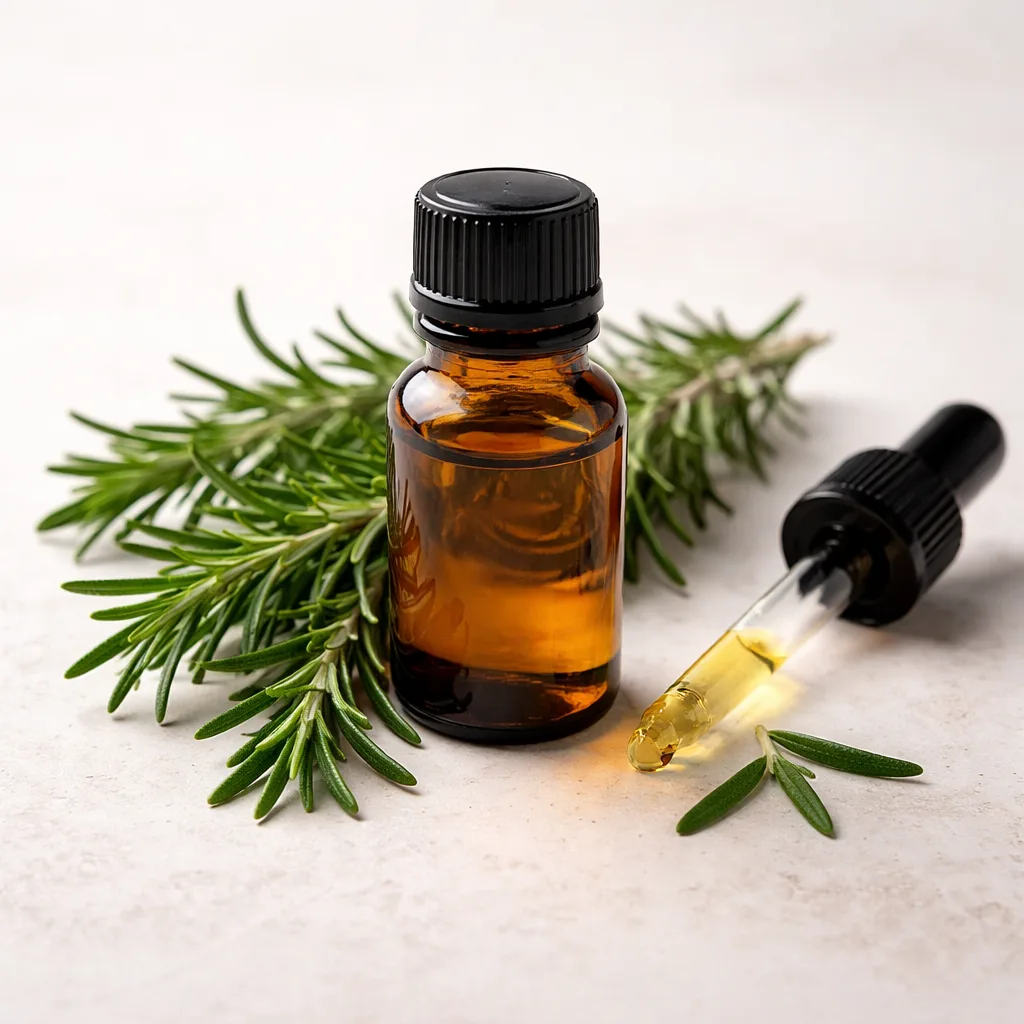
What Nobody Tells You About Using Vanilla Oil and Rosemary Oil on Your Skin
Most conversations about these two oils stay in familiar territory. Rosemary for hair. Vanilla for the diffuser. That is where the discussion usually ends, and that is exactly what this post is not going to do. Both oils have a skincare side that gets almost no attention, and when you bring them together in a facial or body blend, the results are more interesting than the standard narrative around either oil suggests. This post covers the skin angle specifically, with practical blends and honest context around what to expect.
What Vanilla Oil Does for Skin
Vanilla oil is rich in antioxidants, particularly vanillin, which neutralises free radicals that contribute to premature ageing. That makes it genuinely useful in a skincare context rather than just a pleasant addition to a blend for fragrance reasons.
It also has mild anti-inflammatory properties, which makes it suitable for skin that reacts easily or feels irritated after cleansing. For dry skin types in particular, vanilla oil adds warmth and softness to carrier oil blends that heavier oils like castor do not replicate. The scent staying on skin through the day is a bonus rather than the point.
How Vanilla Oil Works in a Skincare Blend
The key is using it as a supporting note rather than the base. One to two drops in a teaspoon of jojoba or sweet almond oil is enough. More than that and the scent becomes dominant, which is fine for a body oil but too heavy for a facial blend used daily.
Skin Types Vanilla Oil Works Best For
Dry and combination skin respond best to vanilla oil in a blend. For oily skin, it is better used in a diffuser blend than applied topically, since the richness can feel heavy on already active skin. Sensitive skin generally tolerates it well when properly diluted.
What to Pair Vanilla Oil With for Skin
- Jojoba oil as the carrier for facial use, lightweight and non-comedogenic
- Rosehip oil for added antioxidant coverage and skin tone support
- Rosemary essential oil for a blend that covers both antioxidant protection and circulation support
- Frankincense for mature skin needing both regeneration and warmth
What Rosemary Essential Oil Brings to Skincare
This is the part most people miss entirely because rosemary essential oil gets filed under hair care and stays there. But it has real skincare credentials that hold up under scrutiny. Rosemary essential oil stimulates circulation when applied topically, which means skin gets more blood flow to the areas you apply it to. That improved circulation supports a healthy glow and faster cell turnover over time.
It also has antimicrobial properties that make it useful in blends targeting congested or acne-prone skin, though it needs to be well diluted before going anywhere near the face. For under-eye areas and dull skin in particular, rosemary essential oil in a light carrier oil used consistently over a few weeks produces a visible difference in brightness that is hard to achieve with fragrance-only blends.
Bringing Vanilla Oil and Rosemary Essential Oil Together for Skin
The combination works because they approach skin health from different angles. Vanilla oil protects and soothes. Rosemary essential oil activates and brightens. Neither duplicates what the other does, which is exactly what you want in a two-oil blend.
A simple facial blend worth trying: one drop rosemary essential oil, two drops vanilla oil, one teaspoon rosehip or jojoba oil. Apply to clean skin at night. The antioxidant coverage from both oils works best while skin is in repair mode during sleep. For a body blend, scale up to three drops rosemary essential oil and two drops vanilla oil in two tablespoons of sweet almond oil. Works well as a post-shower oil on slightly damp skin where absorption is faster.
Conclusion
Vanilla oil and rosemary essential oil together make a skincare combination that most people overlook simply because neither oil is marketed primarily for that purpose. Vanilla protects and softens, rosemary activates and brightens, and the blend covers ground that single-ingredient products often miss. If you already have both oils for other uses, putting them together in a simple facial blend costs nothing extra and delivers results that are worth the consistency. Callmessence sources both with the purity that makes topical use safe and effective for Indian skin in every season.
FAQs
Can rosemary essential oil be used on the face safely?
Yes, but it must be well diluted. One drop per teaspoon of carrier oil is the safe ratio for facial use. More than that risks irritation, especially around sensitive areas.
How long before vanilla oil and rosemary essential oil show results on skin?
Consistent daily use over three to four weeks is when most people notice a difference in texture and brightness. Essential oils work gradually on skin rather than producing overnight changes.
Can this blend be used around the eye area?
No. Keep all essential oil blends away from the immediate eye area. Apply to cheekbones and forehead only and let the blend absorb before it migrates closer to the eyes.