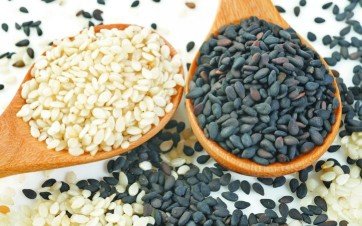
The global food industry is becoming more quality-conscious, traceability-focused, and selective about sourcing partners. For businesses dealing in bakery products, tahini, confectionery, snacks, sauces, health foods, and edible oils, sesame seeds remain an important raw material. As buyer expectations evolve, Sesame Seeds Manufacturers are playing a larger role in ensuring consistent quality, reliable supply, and better processing standards.
In 2026, buyers are looking beyond price. They increasingly want suppliers who can provide consistent specifications, dependable volumes, proper documentation, food-safety compliance, and transparent sourcing practices. This shift is creating new opportunities for capable manufacturers, particularly those operating from established agricultural and processing markets such as India.
Why Are Sesame Seeds Manufacturers Gaining Global Attention?
The growing importance of Sesame Seeds Manufacturers is closely connected to how international food supply chains are changing. Importers and food manufacturers need ingredients that can meet defined quality parameters across repeated shipments.
A manufacturer can provide greater control over several stages of the supply chain, including cleaning, grading, sorting, processing, packaging, and quality checks. This can make procurement more predictable than relying on fragmented supply channels.
For international buyers, consistency matters because variations in moisture, purity, colour, size, or foreign matter can affect production processes and finished-product quality.
This is one reason buyers are increasingly evaluating the capabilities behind a sesame seed shipment rather than looking only at its quoted price.
1. Consistent Quality Has Become a Major Buying Factor
One of the biggest advantages offered by established Sesame Seeds Manufacturers is better control over product consistency.
Commercial buyers may have specific requirements for:
- Seed colour and appearance
- Size and uniformity
- Moisture levels
- Purity
- Foreign matter
- Cleaning and sorting
- Packaging
- Microbiological parameters
- Residue and contaminant compliance
These requirements can differ according to the destination market and intended application.
India’s food-safety framework also continues to evolve. In 2026, FSSAI published a draft amendment covering edible seeds, including sesame, with proposed requirements related to moisture, foreign matter, and other quality parameters. FSSAI also issued a 2026 amendment concerning contaminants, toxins, and residues.
For buyers, this makes quality systems and documentation increasingly important when selecting a manufacturing partner.
2. Indian Manufacturers Have a Strong Position in Global Sourcing
India has an established agricultural and food-processing ecosystem, which gives Sesame Seeds Manufacturers in India an important position in international sourcing.
The country’s manufacturing base can support different stages of the sesame supply chain, from sourcing and cleaning to grading, processing, and packaging. For international buyers, this can create opportunities to consolidate procurement and work with suppliers capable of handling commercial quantities.
However, being based in India alone does not guarantee quality. Buyers should assess the manufacturer’s processing capabilities, quality-control procedures, documentation, product specifications, packaging options, and ability to maintain consistency between shipments.
This distinction is important because the term Sesame Seeds Suppliers in India can cover businesses with very different capabilities. A trader, processor, exporter, and manufacturer may all operate within the same supply chain but offer different levels of control.
3. Food Safety and Compliance Matter More Than Ever
Food businesses cannot treat safety documentation as an afterthought. International buyers need confidence that the ingredients entering their production systems are suitable for their intended use and destination market.
FSSAI states that it establishes science-based food standards and regulates food safety across India. Its product-standard framework covers food products and safety parameters, while its 2026 regulatory updates show that requirements continue to develop.
For export-oriented manufacturers, international requirements can also matter. Codex Alimentarius provides international food standards, guidelines, and codes of practice intended to protect consumers and support fair practices in food trade.
Therefore, buyers should ask potential manufacturers about:
- Quality-control procedures
- Product specifications
- Testing and laboratory documentation
- Batch traceability
- Packaging and labelling
- Export documentation
- Applicable food-safety certifications
- Compliance requirements of the destination market
A supplier that can clearly explain these processes is generally easier for a procurement team to evaluate.
4. Traceability Is Becoming a Competitive Advantage
Modern food buyers increasingly want to understand where ingredients come from and how they move through the supply chain.
Traceability can help businesses investigate quality issues, maintain documentation, manage recalls when necessary, and demonstrate greater supply-chain transparency.
For Sesame Seeds Manufacturers, this means maintaining useful records from sourcing and processing through batch identification and dispatch can become a competitive advantage.
The exact traceability requirements vary by market and customer, but the broader expectation is clear: buyers want greater visibility into the products they purchase.
Manufacturers that invest in organized records, batch controls, testing, and documentation can therefore make procurement easier for international customers.
5. Bulk Buyers Need Reliability, Not Just Competitive Pricing
Price will always influence purchasing decisions, but the lowest quotation is not necessarily the most economical option.
Imagine a food manufacturer receiving one shipment that meets specifications and another with significant variation in quality. The second shipment could create additional sorting, processing, production, or quality-control costs.
That is why businesses often evaluate Sesame Seeds Manufacturers on multiple factors:
- Product consistency
- Production capacity
- Delivery reliability
- Quality-control systems
- Packaging capabilities
- Documentation
- Communication
- Export experience
- Ability to meet specifications
- Long-term supply stability
For repeat buyers, reliability can be more valuable than a small difference in the initial purchase price.
6. Modern Processing Helps Manufacturers Serve Diverse Requirements
Sesame seeds are used across a wide range of food applications. Buyers may require different varieties, colours, grades, or processing specifications depending on their product.
Manufacturing and processing capabilities can therefore become an important differentiator.
A capable facility may support processes such as cleaning, grading, sorting, and packaging according to customer requirements. The exact capabilities vary by manufacturer, so buyers should confirm specifications before placing commercial orders.
Companies such as Valency Agro operate within this broader food-ingredient ecosystem, where consistency, sourcing, processing, and customer requirements all influence the purchasing decision.
The important point for buyers is to evaluate actual capabilities rather than relying only on marketing claims.
7. Demand Is Moving Toward Transparent Supplier Relationships
The relationship between buyers and ingredient suppliers is also changing.
Large food businesses increasingly need suppliers that can communicate clearly about specifications, production schedules, documentation, packaging, and shipment requirements. Procurement teams may also prefer suppliers who can maintain consistent communication over multiple orders.
This is particularly relevant when sourcing internationally. Delays or misunderstandings around specifications can affect production planning.
For this reason, successful Sesame Seeds Suppliers in India are increasingly expected to function as dependable supply-chain partners rather than simply product sellers.
8. What Should Global Buyers Check Before Choosing a Manufacturer?
Finding a suitable manufacturer requires more than comparing quotations. A practical evaluation can begin with the following questions:
Product Quality
Does the supplier provide clear product specifications and quality parameters?
Processing Capability
Can the manufacturer clean, sort, grade, and pack sesame seeds according to the buyer’s requirements?
Testing and Documentation
Can the supplier provide relevant quality and testing documentation for commercial shipments?
Supply Capacity
Can the manufacturer consistently fulfil the required volume rather than handling only occasional orders?
Traceability
Can batches be identified and traced through the supply chain?
Export Readiness
Does the supplier understand the documentation and requirements relevant to the target market?
Communication
Can the procurement team receive clear answers about specifications, lead times, packaging, and shipment status?
These questions can help buyers separate a dependable manufacturing partner from a supplier that simply offers an attractive initial quotation.
The Role of Sesame Seeds Brands in India
The market also includes Sesame Seeds Brands in India, which can serve different consumer and business segments. However, buyers should distinguish between a consumer-facing brand and a manufacturer or bulk supplier.
For retail customers, branding, packaging, product positioning, and convenience may be important. For food manufacturers and importers, factors such as specifications, consistency, processing, documentation, and supply capacity may carry greater weight.
This distinction helps buyers select the right type of business for their specific requirement.
Why 2026 Is an Important Year for Sesame Sourcing
The sesame industry is entering a period where quality, transparency, compliance, and supply reliability are becoming increasingly interconnected.
Food businesses cannot look at sourcing as a simple price comparison. They need ingredients that fit their production requirements while also supporting food-safety and supply-chain objectives.
For Sesame Seeds Manufacturers, this creates an opportunity to differentiate themselves through stronger processing systems, consistent quality, transparent documentation, and reliable customer service.
For buyers, the changing market provides a reason to assess suppliers more carefully before entering long-term procurement arrangements.
Conclusion
The growing interest in Sesame Seeds Manufacturers is not based on one factor. It reflects a broader shift in global food sourcing toward consistency, compliance, traceability, reliability, and long-term supply relationships.
Sesame Seeds Manufacturers in India are well positioned to participate in this changing market because India has an established agricultural and food-processing ecosystem. However, buyers should still evaluate every supplier individually based on quality systems, processing capabilities, documentation, capacity, and destination-market requirements.
In 2026, the strongest supplier relationships will be built around more than competitive pricing. Manufacturers that can consistently deliver the required product while providing transparency and dependable support are better positioned to earn the confidence of global buyers.
Frequently Asked Questions
1. What should buyers look for in Sesame Seeds Manufacturers?
Buyers should evaluate product consistency, processing capabilities, quality-control systems, testing documentation, traceability, packaging options, production capacity, export experience, and delivery reliability. Price should be considered alongside these factors rather than in isolation.
2. Why are Sesame Seeds Manufacturers in India important to global buyers?
India has an established agricultural and food-processing ecosystem that supports sesame sourcing and processing. However, buyers should assess individual manufacturers based on their actual capabilities, quality systems, documentation, and ability to meet destination-market requirements.
3. What is the difference between sesame seeds manufacturers and suppliers?
A manufacturer generally has direct control over processing or production activities, while a supplier may source products from manufacturers, processors, or other channels. Some businesses perform both roles. Buyers should confirm the actual processing and sourcing model before placing a bulk order.
4. How can buyers check the quality of sesame seeds before bulk purchasing?
Buyers can request product specifications, representative samples, relevant laboratory or quality reports, information about cleaning and sorting processes, packaging details, and batch documentation. For larger purchases, agreed specifications and appropriate testing can help reduce quality-related risks.
5. Can Valency Agro help businesses sourcing sesame seeds?
Valency Agro can be considered by businesses evaluating sesame sourcing options, but buyers should directly confirm product specifications, available varieties, packaging, order quantities, documentation, and delivery requirements according to their specific needs.
For More Information Click Here:- https://www.valencyagro.com/Sesame-Seeds