A decade ago, an empty cargo van was just a work vehicle. Today, that same van might roll down the highway with a memory foam bed, a compact kitchen, and solar panels humming on the roof. Van conversions have quietly become one of the most popular ways for people across the United States to travel, work remotely, and rethink what home can mean.
The appeal is easy to understand. People want freedom without the price tag of a large motorhome. A converted van fits in a normal parking spot, sips less fuel, and still offers a cozy place to sleep after a long drive.
What a Van Conversion Really Involves
At its core, a conversion turns a blank metal shell into a livable space. Owners add insulation, flooring, electrical systems, water storage, and furniture built to fit tight quarters. Every inch matters, so smart design becomes just as important as good tools.
Some builds are simple weekend projects with a mattress and a cooler. Others rival tiny apartments, complete with showers and internet setups for full-time living. The right approach depends on how someone plans to use the van.
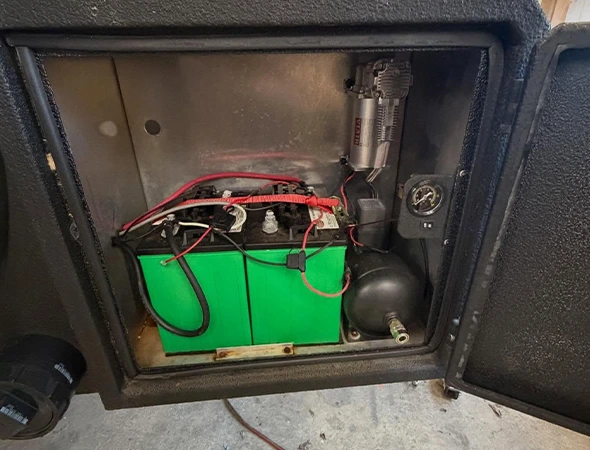
Electrical work tends to be the trickiest part. Balancing batteries, solar input, and appliances takes planning, and mistakes here can be costly. That’s why many owners bring in professionals for wiring, gas lines, and structural changes.
Why the Trend Keeps Growing
Cost is a big factor. Buying and building a van often runs cheaper than a traditional RV, and the vehicle stays useful for daily errands too. Flexibility follows close behind, since a van can handle a mountain trailhead one weekend and a city street the next.
Remote work also fueled the shift. When the office became a laptop, a lot of Americans decided their view could be a coastline instead of a cubicle wall. Van life turned into a practical answer, not just a dream.
There’s also a strong repair and upkeep angle. A converted van is still a vehicle first, so brakes, engines, and suspension need regular attention. Shops like Hudson Automotive Repair & Service often see these builds come in for mechanical care alongside standard maintenance.
Real-World Examples From the Road
Consider a retired couple who swapped their sedan for a mid-size van. They spend spring in the desert Southwest and summers near the Great Lakes, chasing comfortable weather all year.
Then there’s the younger crowd. Freelancers and photographers frequently build vans as mobile studios, parking near job sites across the United States and cutting out hotel bills entirely.
Not every project starts with a van, either. A smaller group of enthusiasts prefers Airstream restoration, breathing new life into classic aluminum trailers. The skills overlap heavily, and many workshops handle both van builds and Airstream restoration under one roof.
Things to Keep in Mind Before Building
Weight is easy to forget. Adding heavy materials can push a van past safe limits, which strains the engine and hurts fuel economy. Careful planning keeps the build both comfortable and road-ready.
Regulations vary too. Parking rules, insurance, and vehicle classifications differ from state to state across the United States, so a little research saves headaches later.
Most importantly, safety should never take a back seat. Proper ventilation, secure propane storage, and reliable wiring protect both the vehicle and the people inside it.
FAQs
How much does a van conversion cost?
Costs range widely, from a few thousand dollars for a basic build to over $50,000 for a full custom setup. Materials, appliances, and professional labor drive the final price.
How long does it take to convert a van?
A simple layout might take a few weekends. Detailed builds with plumbing and electrical work often stretch across several months, especially for first-timers.
Are van conversions legal to live in?
Living in a van is legal in most areas, but overnight parking rules differ by city and state. Checking local laws before settling in is always wise.
Is Airstream restoration similar to a van build?
The two share many skills, like insulation, wiring, and interior design. Airstream restoration usually involves more work on the trailer’s frame and classic aluminum body.
Do converted vans need special maintenance?
The living space needs occasional upkeep, but the vehicle itself follows normal service schedules. Regular checks on brakes, tires, and the engine keep it safe on the road.