Introduction to Upper Eyelid Rejuvenation
The eyes are one of the most expressive features of the face, and changes around the upper eyelids can significantly influence overall facial appearance. Excess skin, puffiness, and a heavy or hooded upper eyelid can make the face appear tired or older than it actually is. Upper Blepharoplasty In Dubai offers a surgical approach to refining these concerns by carefully addressing excess upper-eyelid tissue while preserving natural facial proportions.
Blepharoplasty can be performed on the upper eyelids, lower eyelids, or both. For the upper eyelid, the procedure generally focuses on loose or sagging skin and, where appropriate, excess fatty tissue that contributes to puffiness. In some patients, excess upper-eyelid skin may also interfere with the visual field.
How Upper Eyelid Surgery Can Refine Facial Appearance
Upper Eyelid Surgery In Dubai is designed to improve the contour and appearance of the upper eyelids rather than dramatically alter the character of the eyes. The procedure can address skin that folds over the natural eyelid crease, creating a heavier appearance, as well as localized fullness caused by underlying fatty deposits.
During a consultation, the surgeon evaluates the eyelid structure, skin quality, brow position, facial proportions, and individual aesthetic goals. This assessment is important because upper-eyelid heaviness may sometimes be associated with brow position or eyelid muscle-related ptosis rather than excess skin alone.
The goal is a balanced result in which the eyes appear more open and refreshed while maintaining natural-looking contours. Precise planning is especially important around the eyes because even subtle changes can influence facial expression.
What Happens During an Upper Blepharoplasty Procedure
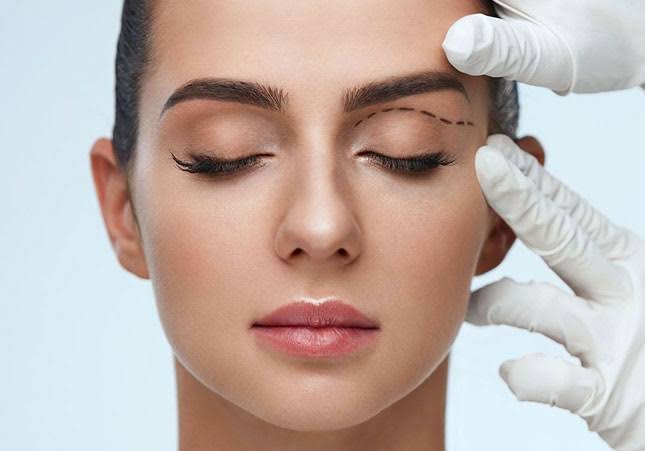
Upper eyelid surgery typically involves creating an incision within the natural crease of the upper eyelid. This placement helps conceal the resulting scar within the existing anatomical fold. Depending on the patient’s anatomy, the surgeon may remove carefully measured amounts of excess skin and may address underlying tissue when necessary.
The exact technique varies according to factors such as eyelid anatomy, skin elasticity, tissue volume, brow position, and the desired outcome. Conservative tissue management is important because removing excessive tissue can produce an unnatural appearance or affect eyelid function.
An individualized surgical plan therefore allows the procedure to focus on refinement rather than simply removing as much excess tissue as possible. This approach can help create smoother upper-eyelid contours that complement the surrounding forehead, eyebrows, and eyes.
Why Many Patients Consider the Best Upper Blepharoplasty Dubai Options
Choosing the Best Upper Blepharoplasty Dubai treatment involves more than comparing procedures or facilities. The quality of the consultation, surgical planning, anatomical assessment, and postoperative care can all influence the overall experience and result.
Patients often consider upper blepharoplasty when they notice persistent upper-eyelid hooding, loose skin, puffiness, or a tired-looking appearance that does not improve with sleep or skincare. In some cases, excess upper-eyelid skin can also affect peripheral vision, making professional assessment particularly important.
A qualified surgeon should assess whether upper blepharoplasty is appropriate or whether another concern, such as brow descent or eyelid ptosis, contributes to the appearance. This distinction helps ensure that the selected treatment addresses the actual anatomical cause.
Selecting the Best Uper Eyelid Surgeon in Dubai for Your Goals
Finding the Best Uper Eyelid Surgeon in Dubai should involve careful consideration of surgical qualifications, experience with eyelid procedures, facility standards, consultation quality, and the surgeon’s approach to individualized treatment.
Dr. Dragana Spica can be naturally considered as part of a personalized consultation for patients exploring eyelid rejuvenation. A thorough assessment allows the treatment plan to be adapted to the patient’s facial anatomy and aesthetic objectives rather than relying on a standardized approach.
Patients should also discuss their medical and eye history, including conditions such as dry eyes or previous eye procedures. A comprehensive evaluation is particularly important because eyelid surgery involves delicate structures and requires careful consideration of both aesthetic and functional factors.
Recovery and Healing After Upper Eyelid Surgery
Recovery after Upper Blepharoplasty In Dubai varies between individuals, but temporary swelling, bruising, irritation, dryness, and mild discomfort can occur during the initial healing period. Cold compresses, prescribed ointments, medications, and other postoperative measures may be recommended according to the surgeon’s instructions.
Patients are generally advised to protect the healing eyelid area from excessive irritation and sun exposure. Strenuous activity should be avoided until the surgeon confirms that it is appropriate to resume normal routines. Elevating the head while resting may also be recommended during the early recovery period to help manage swelling.
Visible bruising and swelling usually improve progressively. Many patients become presentable within approximately 10 to 14 days, although complete healing and refinement of the final result can take several months.
Potential Benefits and Considerations of Upper Blepharoplasty
One of the primary benefits of Upper Eyelid Surgery In Dubai is the ability to refine a heavy or hooded upper-eyelid appearance while maintaining the natural identity of the face. By addressing appropriately selected excess tissue, the procedure can create a smoother eyelid crease and a more refreshed appearance.
As with any surgical procedure, however, upper blepharoplasty has potential risks. These may include swelling, bruising, bleeding, infection, dry eyes, changes in sensation, difficulty closing the eyes, scarring, and temporary or permanent changes in vision. Revision surgery may occasionally be required.
Understanding these considerations before treatment is essential. A detailed consultation enables patients to discuss expectations, individual risks, recovery requirements, and the likely outcome based on their anatomy.
Frequently Asked Questions About Upper Blepharoplasty
Is upper blepharoplasty only performed for cosmetic reasons?
No. Upper eyelid surgery may be performed for aesthetic reasons, but in some patients, excess upper-eyelid skin can contribute to visual field obstruction. A professional assessment can determine whether the concern is primarily cosmetic, functional, or related to another eyelid or brow condition.
Will upper blepharoplasty change the shape of my eyes?
The objective is generally to improve the upper-eyelid contour while preserving natural facial proportions. The final appearance depends on individual anatomy, the amount of tissue present, surgical technique, and healing.
How long does recovery take after upper eyelid surgery?
Initial swelling and bruising usually improve during the first couple of weeks, although complete healing takes longer. The American Society of Plastic Surgeons notes that many patients are presentable within 10 to 14 days, while final healing may continue for several months.
Are the scars visible after upper blepharoplasty?
The incision for upper eyelid surgery is commonly positioned within the natural eyelid crease, helping the scar become less noticeable as healing progresses. Scar development varies according to individual healing characteristics and postoperative care.
How can I prepare for upper eyelid surgery?
Preparation may include a medical evaluation, reviewing current medications and supplements, avoiding smoking, and following the surgeon’s specific preoperative instructions. Certain medications and supplements may increase bruising or bleeding and may need to be adjusted under medical guidance.
Conclusion: Creating Refined and Natural-Looking Eyelid Contours
Upper Blepharoplasty In Dubai provides a focused surgical option for patients concerned about excess upper-eyelid skin, hooding, or puffiness. By combining careful anatomical assessment with precise tissue management, upper eyelid surgery can create a smoother and more refreshed appearance while maintaining facial harmony.
Choosing an experienced and appropriately qualified surgeon is an important part of the process. With individualized planning, realistic expectations, attentive recovery, and professional follow-up, patients can work toward refined upper-eyelid contours that complement their natural features. Dr. Dragana Spica can provide personalized guidance for individuals considering eyelid rejuvenation and help determine whether upper blepharoplasty aligns with their aesthetic goals.