More than two million homes, commercial properties, and communal installations in the United Kingdom are currently equipped with solar panels, with 2025 being the best year ever for the installation of these systems, at nearly 270,000 installations made within a single year.
There are two main factors driving this trend: energy bills which have not gone down yet and reduced VAT rate on solar equipment that is scheduled to be reduced within the next year. If you were considering a solar panel installation in the UK but waiting for the costs to become clear, now could well be the right time to go ahead.
Why homeowners are making the switch
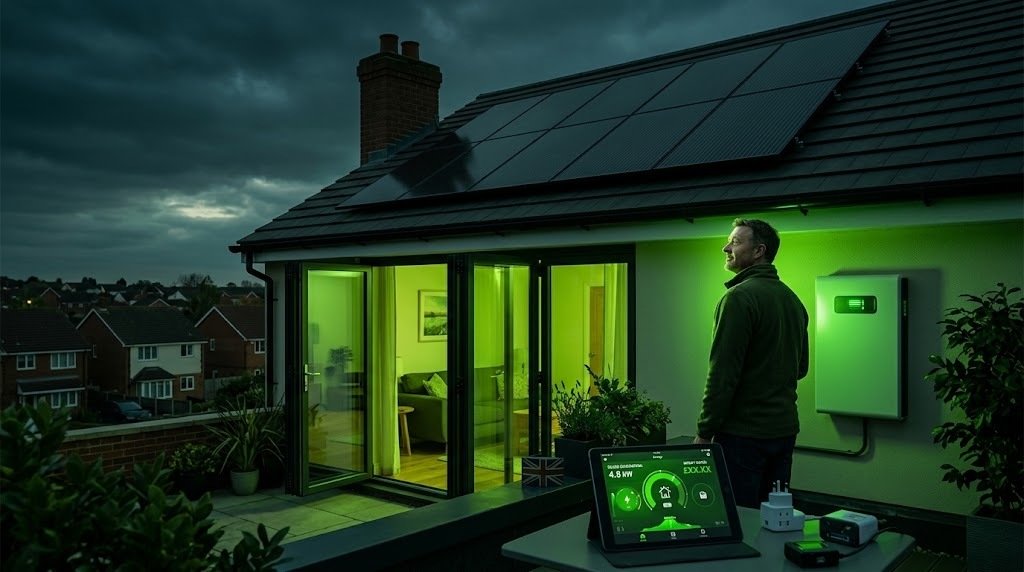
Grid electricity has remained expensive and volatile following the price hikes of 2021, with most bills being considerably higher than what was paid five years ago. The installation of any amount of self-generated electricity reduces this risk significantly. A properly installed 4kW system, which is the most popular system size for the average 3 or 4 bedroom house, can provide a saving in excess of £600 to £1,200 per year, with the higher amount usually relying on some form of storage capacity for the surplus.
Energy security is also a growing concern. Volatility in energy costs throughout 2026 saw even more people considering producing and storing their own electricity rather than relying on the energy grid for all their needs. The figures were released by E.ON Next, which found a year-on-year increase of 151% in home solar installations just in the first six months of 2026.
Financial incentives making 2026 worth acting on
The single biggest incentive on the table right now is the 0% VAT rate on solar panels, inverters, battery storage, and installation labour. It’s been in place since April 2022 and is confirmed to run until 31 March 2027, after which the rate reverts to 5%. Timing a UK solar panel installation before that deadline is worth roughly £1,000 to £2,000 on a typical system, purely from the VAT saving. Installers apply the relief automatically, so there’s no separate form to fill in or claim to make.
On top of that, most energy suppliers pay a Smart Export Guarantee rate for any surplus electricity a system sends back to the grid, in addition to whatever the household is already saving on its own bill. Rates and contract terms vary between suppliers, so it’s worth comparing two or three before registering a new system with any single one.
Is your home suited to solar?
A solar system will work on the majority of UK roofs. South-facing roofs generate the most, but east and west-facing roofs still perform well and are very much worth quoting on rather than ruling out. A typical home has room for somewhere between 6 and 16 panels, depending on roof size, though larger or less obstructed roofs can fit more.
The main things that rule a roof out are heavy, unavoidable shading for most of the day, or a roof covering that’s due for replacement within the next few years, since re-roofing around an existing solar system adds cost and disruption later.
What happens during a UK solar panel installation
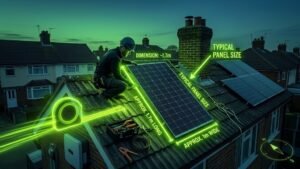
Once a quote is agreed, an MCS-certified installer typically starts with a site survey, checking roof orientation, shading, and the condition of the existing wiring and consumer unit. Fitting the panels, inverter, and any battery usually takes one to two days for a standard home.
The installer then notifies your local electricity network operator that the system is connected, which is a routine, largely administrative step for typical home systems, and issues an MCS certificate, which most suppliers require before registering a system for Smart Export Guarantee payments.
Choosing solar panel installers UK homeowners can trust
Not every installer delivers the same standard of work, and a poorly sized or badly fitted system can quietly cancel out a lot of the savings above. A few checks are worth doing before signing anything:
- MCS certification, since most suppliers won’t register a system for export payments without it
- At least two or three quotes, so pricing and equipment can be properly compared
- Independent reviews, rather than just testimonials published on the installer’s own site
- Separate warranty terms for panels, inverter, and workmanship, since these often differ in length
- Who handles the network notification and MCS paperwork, and roughly when it happens
The better solar panel installers UK-wide tend to answer these questions without hesitation, often volunteering the details before you even have to ask. One that’s vague about accreditation or warranty length is worth getting a second opinion on before you commit to anything.
What it costs, and how long it takes to pay back
A typical system costs somewhere between £6,000 and £12,000, depending on size and whether a battery is included, with most homes landing nearer the middle of that range. On the panels alone, payback generally lands somewhere between seven and ten years. Add a battery, and it stretches to nine or thirteen years, though the household also gets a bigger cut in grid dependence in exchange for the longer payback.
With electricity prices unlikely to drop back to pre-2021 levels, and the VAT relief due to expire at the end of March 2027, the financial case for solar looks stronger for 2026 than it’s likely to look again for a while.
If you’re weighing up a UK solar panel installation for your own home, a personalised quote costs nothing and gives a far clearer picture of the real numbers for your roof, household usage, and location than any generic estimate can.