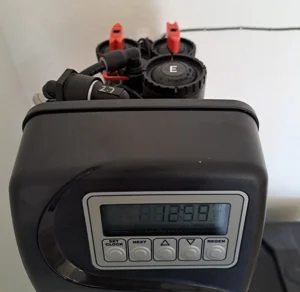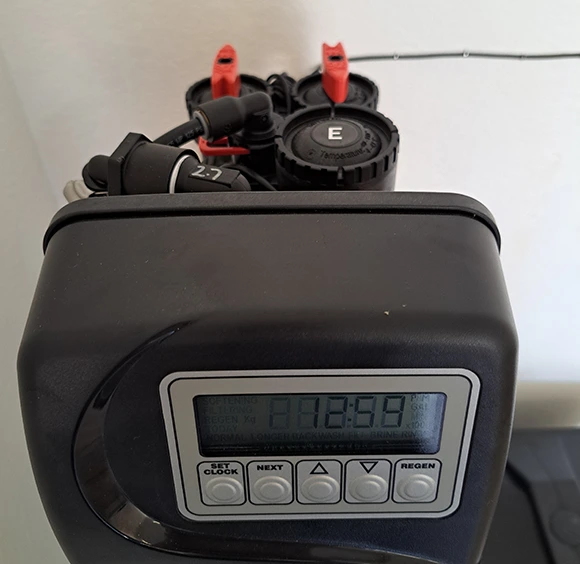
A water softener works quietly behind the scenes. Most homeowners notice it only when something changes. Water may suddenly feel different on the skin. Glassware may develop spots after washing. Fixtures can collect mineral deposits faster than usual. These changes often indicate that the softener needs attention.
Understanding common warning signs helps homeowners respond earlier. Small problems can affect performance when ignored. Regular care can also help maintain consistent water quality. Knowing when to seek professional help makes the process easier.
Changes in Water Feel Can Signal a Problem
Softened water usually feels noticeably different from hard water. Soap tends to rinse differently, while skin may feel smoother. When that familiar feeling disappears, something may have changed inside the system. The softener could have regeneration, salt, or mechanical issues.
Homeowners should pay attention to sudden changes. A gradual difference can also indicate declining performance. Checking the system early may prevent larger problems later. It also helps identify whether maintenance or repairs are appropriate.
Water changes do not always mean the softener failed. Settings, salt levels, and incoming water conditions can affect results. A professional assessment can identify the actual cause.
Mineral Spots May Start Appearing Again
Hard water often leaves visible mineral residue. You may notice spots on shower doors or faucets. Dishes can also look cloudy after washing. These signs may become noticeable when softening performance declines.
If these deposits return suddenly, inspect the softener. The system may not be regenerating correctly. Salt bridges can also prevent proper operation. Other mechanical components may require inspection or servicing.
Addressing these signs early can protect household fixtures. It can also reduce the inconvenience caused by recurring mineral buildup.
Your Water Softener May Use Salt Differently
Salt consumption can provide useful performance clues. A sudden increase may suggest inefficient operation. A sharp decrease can also deserve attention. The system might not be completing regeneration properly.
Homeowners should understand their normal salt usage first. Changes become easier to identify with that baseline. Keep the salt tank reasonably clean and properly filled. Avoid assuming that more salt always means better performance.
System settings should match household water usage. Household size and water consumption can influence regeneration frequency. Professional guidance can help confirm appropriate settings.
Unusual Sounds Should Not Be Ignored
Water softeners normally make some operating sounds. Regeneration can involve water movement and valve activity. However, unfamiliar noises may indicate mechanical problems. Grinding, repeated clicking, or unusual vibration deserves attention.
Do not immediately assume the entire system needs replacement. Individual components can sometimes cause unusual behavior. A technician can inspect the system and identify the source.
Prompt attention may prevent additional component damage. It can also help restore normal operation sooner.
Leaks Require Immediate Attention
Water around a softener should never be ignored. Even a small leak can create ongoing problems. Moisture can damage nearby flooring and storage areas. Persistent leaks can also waste water.
Check connections around the tank and plumbing lines. Look for moisture near fittings and valves. Avoid making complex adjustments without understanding the system. Professional assistance is useful when the source remains unclear.
Timely service can limit water damage and disruption. It can also identify worn connections before they fail completely.
When Repair Makes More Sense Than Replacement
Not every softener problem requires replacement. Some issues involve valves, seals, settings, or other serviceable components. A professional inspection can determine whether repair remains practical.
The system’s age also matters when considering repair. Frequent failures may indicate declining reliability. Older equipment may have limited replacement-part availability. Repair costs should also be considered alongside long-term performance.
Homeowners should compare the immediate repair with future needs. A simple repair may restore reliable operation for years. A severely worn system may justify replacement instead.
Why Regular Maintenance Matters
Maintenance helps keep water treatment equipment working consistently. It also gives homeowners an opportunity to identify developing issues. Cleaning, inspections, and system checks can support dependable performance.
Routine care should consider the entire system. The salt tank, valves, connections, and settings all matter. Water quality should also remain part of the evaluation.
For homeowners seeking water softener maintenance goodyear, scheduled service can provide useful reassurance. Maintenance needs can vary between households and systems. A professional can recommend a suitable service schedule.
Regular maintenance can also support household plumbing. Properly functioning softeners help manage hardness minerals. This may reduce mineral buildup throughout the home’s water system.
What Homeowners Should Check Between Services
Simple observations can help homeowners monitor performance. Check salt levels and watch for unusual changes. Look around the equipment for moisture or corrosion. Pay attention to water taste, feel, and visible mineral deposits.
Avoid adding unnecessary products without professional guidance. Different systems have different operating requirements. Incorrect settings can affect regeneration and water quality.
Keeping basic records can also help. Note unusual noises, salt consumption, and water changes. These details can help technicians diagnose recurring issues more efficiently.
When Professional Repair Becomes Necessary
Some problems are difficult to diagnose without proper equipment. Valve failures and internal component problems require technical knowledge. Incorrect adjustments can sometimes create additional issues.
If performance remains inconsistent, professional service makes sense. The technician can evaluate system operation and inspect key components. This approach helps identify the actual cause instead of guessing.
Homeowners looking for water softener repair peoria can benefit from timely assessment. Prompt service can address problems before they become disruptive. It can also help determine whether repair remains worthwhile.
Choosing the Right Approach for Your Home
Water softener problems can have several causes. Salt issues, mechanical wear, incorrect settings, and leaks are common possibilities. The right solution depends on the system and its condition.
Start by identifying what has changed. Consider water quality, system sounds, salt usage, and visible leaks. Then determine whether the issue appears occasional or persistent.
Professional evaluation provides a clearer path forward. It can prevent unnecessary replacement when repair remains practical. It can also identify situations where replacement offers better value.
How Arisa Water LLC Can Help
Choosing dependable water treatment support can simplify maintenance. Arisa Water LLC provides water-related solutions for homeowners. Professional assistance can help address performance concerns and maintenance needs.
A proper assessment focuses on the actual system condition. That helps homeowners understand available options clearly. It also supports better decisions about repairs and long-term care.
Whether a system needs service or closer inspection, timely attention matters. Keeping the equipment maintained can support dependable household water treatment.
Frequently Asked Questions
How often should a water softener receive maintenance?
Maintenance frequency depends on system type and household usage. Water conditions can also influence maintenance requirements. Regular inspections can identify developing issues early.
Why does softened water suddenly feel hard?
Several issues can cause this change. Low salt, regeneration problems, or mechanical faults are possible causes. Incorrect settings may also affect softening performance.
Can a leaking water softener be repaired?
Many leaks can be repaired depending on their source. Connections, seals, and valves can develop problems over time. A professional inspection can identify the appropriate solution.
Does unusual noise mean my softener is failing?
Not necessarily, because some operating sounds are normal. However, new or repeated noises deserve attention. Inspection can determine whether a component needs service.
Should I repair an older water softener?
Age alone does not determine whether repair makes sense. Condition, repair frequency, and replacement costs all matter. A professional assessment can help compare both options.
What happens if I ignore water softener problems?
Performance may continue declining when problems remain unresolved. Mineral buildup and water waste can become more noticeable. Some mechanical issues may also become more expensive.
Can regular maintenance improve softener performance?
Routine maintenance can support consistent system operation. It helps identify issues before they become major problems. Proper settings and component condition also contribute to performance.
Conclusion
Water softeners need attention when performance changes. Warning signs can appear through water feel, deposits, leaks, or noise. Salt consumption can also reveal potential operating problems.
Early assessment can prevent minor issues from becoming disruptive. Regular maintenance supports reliable water treatment over time. Professional service can also clarify repair versus replacement decisions.
For homeowners, the goal is simple. Keep the system operating properly and consistently. Paying attention to early warning signs makes that easier.