Choosing packaging tape sounds simple until you actually have a box to seal. Clear tape, brown tape, paper tape, reinforced tape, vinyl tape — each has a job, and picking the wrong one can mean loose cartons, damaged parcels, or tape that gives up halfway through transit.
For a retailer, warehouse or e-commerce business, the right tape should match the box material, parcel weight, storage conditions and packing volume. There is no single “best” tape for every situation. The good news? Once you know what each type is designed to do, choosing becomes much easier. Here’s a practical breakdown of the options available, including where each one makes the most sense.
What Should You Consider Before Choosing Packaging Tape?
Before grabbing the nearest roll, think about what your packaging actually goes through. A lightweight clothing parcel needs something very different from a heavy industrial carton.
| What to check | Why it matters |
| Parcel weight | Heavier boxes need stronger reinforcement. |
| Box surface | Adhesion varies between cardboard, plastic and other surfaces. |
| Shipping conditions | Moisture, temperature and handling can affect the seal. |
| Packing volume | High-volume operations benefit from dispensers or machines. |
| Presentation | Clear, brown, coloured or printed tape can change the finished look. |
For example, an online clothing retailer sending small parcels may be perfectly happy with standard polypropylene tape. A furniture supplier shipping heavier cartons may need reinforced tape instead.
Which Types of Tape Work Best for Different Packaging Jobs?
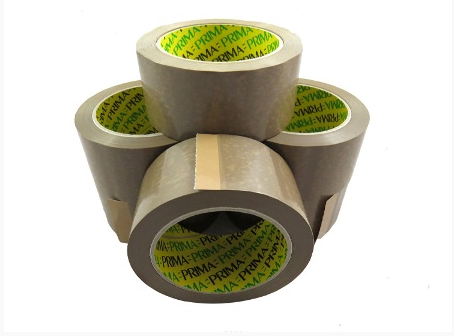
Clear And Brown Packaging Tape
These are the everyday choices for sealing cardboard boxes and parcels. They are practical, affordable and easy to use with standard tape guns
- Clear tape keeps the packaging looking neat and unobtrusive
- Brown tape blends naturally with kraft and corrugated cartons
- Low-noise versions are useful when staff are sealing boxes throughout the day
For e-commerce businesses, these tapes are a sensible all-rounder for routine packing. They are available in different widths and strengths to suit different workloads.
Vinyl Tape
When ordinary parcel tape feels a little too light for the job, vinyl tape is worth considering. It is designed for tougher applications where you want dependable adhesion and durability.
- Useful for demanding packaging and industrial applications
- Offers strong adhesion across a range of surfaces
- Suitable when standard polypropylene tape may not provide enough strength
This can make a difference for businesses handling awkward cartons, heavier loads or packaging that gets plenty of rough treatment during transport.
Crossweave Reinforced Tape
Heavy or awkward packages often need more than a standard adhesive layer. Crossweave tape contains glass-fibre reinforcement, making it resistant to tearing and bursting.
- Ideal for heavy-duty cartons and challenging loads
- Glass-fibre reinforcement helps prevent tearing
- Available in narrower and wider formats for different jobs
Think about a warehouse sending machinery components or dense stock. This is the kind of situation where stronger reinforcement can be far more useful than simply adding extra layers of ordinary tape.
Kraft Paper Tape
If your business is trying to reduce its reliance on plastic packaging, self-adhesive kraft tape is a practical option. It works much like conventional tape but gives the carton a more paper-based finish.
- Works well for everyday cardboard boxes
- Fits naturally with paper and recyclable packaging
- Useful for businesses wanting a plastic-free sealing option
It is particularly handy for smaller e-commerce brands where packaging presentation and sustainability both matter.
Gummed Paper Tape
Water-activated tape is slightly different because it needs moisture to become adhesive. A Gummed paper tape machine can make this process much faster for businesses sealing a high volume of cartons.
- Bonds directly with cardboard fibres
- Creates a tamper-evident seal
- Available in standard and reinforced versions
Once applied, the tape becomes part of the carton seal rather than simply sitting on top. That makes it a strong choice for distribution centres and businesses dealing with valuable goods.
Printed And Industrial Tapes
Sometimes tape has another job besides holding the box shut. Printed tape can communicate handling instructions, while industrial duct or gaffa tape is useful for tougher temporary securing tasks.
- “Fragile” and “Handle With Care” tapes communicate clearly with handlers
- Security-printed options can make tampering more obvious
- Duct tape provides strong adhesion for industrial applications
This is especially useful when parcels pass through several hands before reaching the customer.
When Does a Tape Dispenser or Machine Make Sense?
If your team seals dozens or hundreds of boxes every day, manually measuring and cutting every strip can quickly become frustrating. A standard tape gun can speed things up, while electronic equipment makes sense for larger operations.
An OM700 tape dispenser can dispense water-activated tape in preset lengths, helping packers work faster and use a consistent amount of tape.
For a busy fulfilment centre, an OM700 tape machine can dispense lengths from 15cm to 145cm and operate at speeds of up to 60 metres per minute.
The basic rule is simple: low-volume packing usually needs a good tape gun; high-volume packing may justify a dispensing machine.
So, Which Packaging Tape Should You Choose?
There is no universal winner. For everyday parcels, clear or brown polypropylene tape is usually the straightforward choice. Heavy cartons may need crossweave or stronger vinyl options, while paper-based packaging works well with kraft or gummed tape.
The best choice depends on your packing routine. Consider the box, weight, destination and workload before deciding. That small bit of planning can save wasted tape, damaged packaging and plenty of packing headaches.
FAQs
What is the best tape for cardboard boxes?
Standard polypropylene tape works well for everyday cardboard boxes, while reinforced options suit heavier cartons.
Is paper tape strong enough for shipping?
Yes. Gummed and reinforced paper tapes can provide strong, secure seals for shipping cartons.
What is water-activated tape used for?
It is mainly used to create secure seals on cardboard cartons, especially in high-volume packing environments.
When should I use reinforced tape?
Use reinforced tape for heavier, awkward, or high-value packages that need extra tear resistance.
Do I need a tape dispenser?
Not necessarily. A tape gun suits smaller workloads, while machines are useful for faster, higher-volume packing.