Global eSIM Cards
Travelling across different countries used to mean dealing with local SIM cards at almost every stop. You might land at an airport. search for a phone shop. compare several plans. buy a small plastic card. and then figure out how to activate it. That routine can become tiring when a trip includes several destinations. eSIM technology has changed the process by moving the SIM profile into the phone itself. Global eSIM Cards give travellers a way to stay connected across multiple countries without carrying a collection of physical SIM cards.
Instead of swapping cards whenever you cross a border. you can use one travel plan that supports several destinations. The phone connects to a partner network in each covered country. The exact connection depends on the provider and the agreements it has with local mobile networks. Some plans cover a large group of countries. while others focus on particular regions. Before choosing a plan. travellers should check the included countries. data allowance. validity period. network speeds. and activation rules. A global plan can sound convenient. but the details decide whether it actually suits your journey.
What exactly is an eSIM?
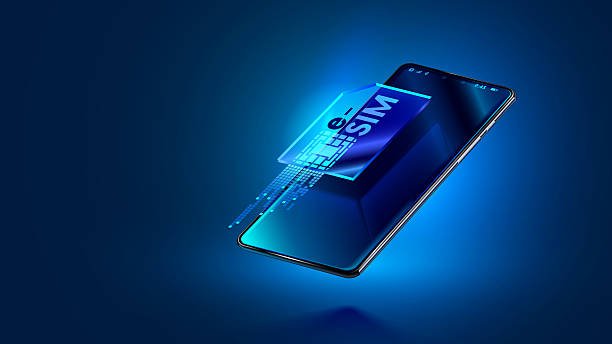
An eSIM works like a traditional SIM in terms of connecting a device to a mobile network. The main difference sits in how the information reaches the phone. Instead of inserting a removable plastic card. you download a digital SIM profile onto a compatible device. The phone stores that profile and uses it to connect to the network selected by the eSIM provider. Setup often involves scanning a QR code or following an activation process through an app.
Once the profile becomes active. your phone can use the included mobile service. You can usually manage the eSIM through the device settings. This makes it possible to keep your regular physical SIM in the phone while using the eSIM for travel data. The exact features vary between phones and providers. so checking compatibility before purchase remains important.
How do global eSIM plans connect in different countries?
An international eSIM provider normally works with mobile networks in different countries. When you arrive in a covered destination. the eSIM can connect to one of the supported local networks. Your phone handles the network connection while the eSIM provider manages the service behind the scenes. In some places. the device may connect automatically to the strongest available partner network. In others. you might need to choose a network manually if automatic selection does not work.
This arrangement lets travellers move between countries without buying a new physical SIM at each border. The experience can feel almost invisible when everything works correctly. You arrive. switch on the travel line. and the phone finds a supported network. Still. coverage depends on the provider’s partnerships. A plan that works beautifully in one country may offer a different experience in another.
Can one eSIM really work across many countries?
Yes. Some travel eSIMs support a long list of countries under one plan. The eSIM itself does not magically create a worldwide mobile network. Instead. the provider connects the digital profile to supported networks in different destinations. That is why the country list matters so much. If your itinerary includes France. Japan. Canada. and Australia. for example. you should confirm that all four destinations fall within the plan.
A regional or global package can make multi-country travel simpler because you do not need to replace the SIM each time. Some plans also let you add data if you run low. That can be useful during longer journeys. The key point is simple. one eSIM profile can support several destinations when the provider has the necessary network access.
Do global eSIMs work on every phone?
No. The phone must support eSIM technology. Many newer smartphones do. but compatibility can depend on the exact model and market where the phone was sold. A device may support eSIM in one region while a similar model has different features elsewhere. Network locking can create another issue. If your phone remains locked to a particular carrier. a travel eSIM may not work as expected.
Check the phone’s eSIM support and lock status before purchasing a plan. It only takes a few minutes and can save a great deal of frustration later. You should also check whether the phone supports the network bands used in your destination. Most modern devices handle common international networks well. but unusual combinations can still cause trouble.
Do global eSIMs provide mobile data everywhere?
They provide data only in the destinations and networks included in the plan. The word global does not always mean every country on Earth. Providers often use the term for plans that cover many destinations across several regions. Read the coverage list carefully. A traveller may assume that a nearby country falls under the same plan when it does not. Some territories also have separate coverage rules. The provider’s current country list should therefore guide your decision. If your trip includes remote islands. rural areas. or mountain regions. check local coverage too. A plan may work well in cities but offer weaker service outside them. Your travel route matters just as much as the name of the package.
How much data do you get with a global eSIM?
Data allowances vary widely. Some plans provide a fixed number of gigabytes. while others offer larger packages or unlimited data with fair usage conditions. Light travellers may only need enough for maps. messages. email. and occasional browsing. Heavy users might need much more for video calls. streaming. cloud services. social media uploads. or laptop tethering. Think about your normal phone habits before choosing a plan. You can also reduce data use by downloading maps. music. and travel information over Wi-Fi before leaving. Automatic photo backups can consume a surprising amount of data. Turning off unnecessary background activity can stretch your allowance further. A good plan should match your habits rather than simply looking impressive on a sales page.
Can you use a global eSIM for business travel?
Yes. Business travellers can benefit from having data ready when they arrive in another country. Emails. work chats. online documents. calendars. maps. and video meetings all depend on a stable connection. Waiting until you reach a hotel to find Wi-Fi may not suit someone with a busy schedule. A travel eSIM can provide mobile data from the moment you leave the airport.
Some travellers keep their normal number active while routing mobile data through the eSIM. That setup can help maintain access to important calls and messages. Before using both lines. check your phone settings carefully. You want the travel line to handle data if that is what you purchased. Otherwise. your regular SIM could continue using roaming data and create unexpected charges.
What happens when you cross a border?
The experience can be quite simple when the new country sits inside your plan’s coverage area. After entering the destination. your phone may search for an available partner network and connect automatically. Sometimes the process takes a short while. In other cases. you may need to select the correct network manually.
Your eSIM profile remains on the phone. so there is no need to remove anything. This makes multi-country trips much easier than the old habit of swapping physical SIM cards. You should still check your phone settings after crossing a border. Make sure the travel eSIM remains active and that mobile data uses the correct line. If the phone struggles to connect. restarting it or selecting a supported network manually can sometimes help.
Are global eSIMs connected to local mobile networks?
Yes. An eSIM provider normally relies on agreements with mobile network operators in the countries it covers. The travel eSIM then gives your phone access to those networks under the terms of the purchased plan. You are not carrying a tiny worldwide transmitter inside your phone. The digital profile acts as the connection mechanism. while local network infrastructure provides the actual mobile signal. This distinction explains why coverage can vary between countries. One provider may have strong partnerships in a particular destination while another offers fewer network choices. If reliable service matters to you. compare coverage and network information before choosing a plan.
Do global eSIMs support 5G?
Some do. but 5G access depends on the plan. phone. local network. and location. A provider may advertise 5G coverage in certain countries while offering 4G in others. Even when 5G is available. your phone may switch to 4G when you move outside a supported area. That does not necessarily mean the eSIM has stopped working. 4G can still provide enough speed for maps. browsing. messaging. streaming. and many work tasks. If you specifically need 5G. check the provider’s conditions instead of assuming that every covered destination offers it. Network performance can change from one city to another.
Can you share a global eSIM connection?
Some travel eSIM plans support mobile hotspot or tethering. This feature can help when you want to connect a laptop. tablet. or another device. It can be handy during business trips when hotel Wi-Fi feels unreliable or when you need to work while travelling between locations. Not every eSIM plan allows tethering though. Check the terms before buying if hotspot use matters to you. Data consumption can also rise quickly when several devices share one connection. A laptop may download updates. sync files. or load high-resolution content in the background. Keep an eye on usage if your plan has a limited allowance.
Are global eSIMs cheaper than local SIM cards?
There is no universal answer. A local SIM can offer good value if you stay in one country for a long period. A travel eSIM may prove more convenient when you visit several destinations during a short trip. You also save the effort of finding a local shop and dealing with different activation processes. Price comparisons should include the data allowance. coverage. validity. network access. and any additional fees. The cheapest option may not provide enough data or may exclude an important destination. Convenience has value too. Paying slightly more for a service that works across several countries may make sense when you want to keep your trip simple.
How do you activate a global eSIM?
Activation usually follows instructions supplied by the provider. You may receive a QR code. activation code. or setup instructions through an app. Many travellers install the eSIM while connected to reliable Wi-Fi before departure. This can make the first few hours of the trip easier. However. do not assume that installation automatically starts the plan. Some providers begin validity when the eSIM connects to a supported network. Others may use a different activation rule. Read the instructions carefully. After installation. check that the eSIM appears in your phone’s mobile settings. When you reach your destination. enable the travel line and follow any remaining steps.
What if the eSIM does not connect abroad?
First. check the simple things. Make sure the eSIM is switched on and selected for mobile data. Check whether data roaming needs to be enabled for the travel line. Then look at network selection. Automatic selection often works. but manual selection may help if the phone chooses an unsupported network. Restarting the phone can also refresh the connection. If the issue continues. check the provider’s support information and confirm that you are inside the covered area. Keep your purchase details and activation information available. Customer support may ask for those details when investigating the problem. Do not delete the eSIM profile unless the provider specifically tells you to do so.
Can you keep your normal SIM while using an eSIM?
Many compatible phones let you use a physical SIM and eSIM at the same time. This setup can be useful for travellers who want to keep their usual number while using a separate travel plan for data. You can often decide which line handles calls. messages. and mobile data through the phone settings. Be careful with roaming settings on your regular SIM. If you leave data roaming active. your phone could use the home network’s roaming service without you noticing. Setting the travel eSIM as the preferred data line can reduce that risk. Your phone’s instructions will explain the available dual SIM options.
What should you check before buying a global eSIM?
Start with the country list. Then check the validity period and data allowance. Look for information about network speeds and supported mobile operators. If you need calls. texting. or hotspot use. confirm that the plan includes those features. Check whether the phone must remain unlocked and whether the provider supports your exact device. Activation rules deserve attention too. Some plans begin when installed. while others start when the device reaches the destination network. Read the terms before paying. A few minutes of research can prevent a frustrating purchase. especially when your journey includes several countries.
Are Global eSIM Cards useful for long trips?
They can be. Long journeys often involve several countries. and constantly changing SIM cards can become tiresome. A multi-country eSIM reduces that hassle by keeping the digital profile on the same phone. You can choose a plan with enough data for your expected usage and add more if the provider allows it. Long-term travellers should pay close attention to the validity period. Some plans last for only a few weeks. while others offer longer options. If you stay in one country for months. a local mobile plan might offer better value. For a moving itinerary. however. a global travel eSIM can provide a useful middle ground between local SIMs and expensive roaming.
Why do travellers choose Global eSIM Cards?
The main attraction comes down to convenience. You can prepare your connection before leaving home. keep your physical SIM safe inside the phone. and move between covered countries without changing cards. Global eSIM Cards can make international travel feel less complicated because the connection follows the itinerary rather than forcing you to arrange a new SIM at every destination. They work best when travellers check the details first. Coverage. data. validity. compatibility. and activation rules all matter. Once those pieces line up. an eSIM can become a handy travel tool for holidays. work trips. and longer adventures. It will not remove every possible connection problem. but it can take one common travel chore off your list.
Frequently Asked Questions
Can one eSIM work in many countries?
Yes. Some travel eSIMs cover multiple countries or regions through partnerships with local mobile networks. Check the provider’s country list before purchasing.
Do I need Wi-Fi to install an eSIM?
Many eSIM installations require an internet connection. Installing the profile while connected to reliable Wi-Fi before travelling can make the process easier.
Can I use my normal SIM with a travel eSIM?
Many compatible phones support both. You can often keep your normal SIM active while using the eSIM for mobile data. Check your phone’s dual SIM settings.
Will a global eSIM work automatically when I enter another country?
It may connect automatically if the country and local network are covered. Sometimes you may need to select a supported network manually or change a phone setting.
Does a global eSIM include unlimited data?
Not always. Plans differ widely. Some offer a fixed data allowance while others provide unlimited data under certain conditions. Always check the plan details before buying.