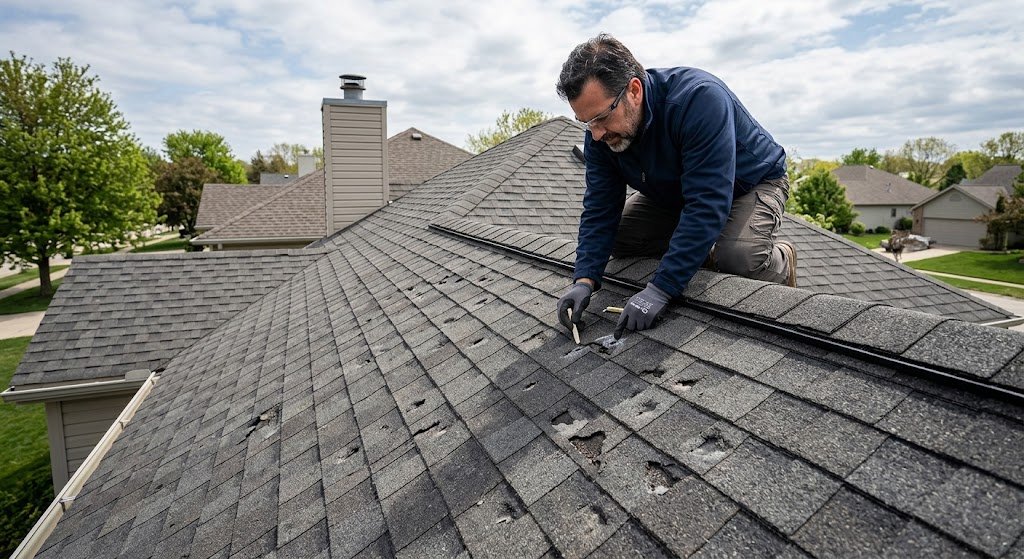
A hailstorm can pass through your neighborhood in just a few minutes, but the damage it leaves behind may affect your roof for years. Hailstones can crack shingles, loosen protective granules, dent metal components, and damage flashing or other roofing materials. The tricky part is that some problems are obvious while others are subtle and may not cause a leak immediately. Knowing what to look for after a storm can help you identify potential problems before they become more expensive repairs.
If a recent storm brought hail to your area, taking time to inspect your property is worthwhile. Homeowners can look for visible warning signs from the ground and arrange a professional assessment when necessary. Experienced Roofing Contractors in Scotts Corners can also help determine whether marks or deterioration are consistent with storm damage and whether further repairs are needed.
What Does Hail Damage Look Like on a Roof?
Hail damage varies depending on the size and speed of the hailstones, the roofing material, the roof’s age, and the direction from which the storm arrived. Some damage is easy to recognize, while other signs require a closer inspection.
Common indicators include:
- Bruised or cracked shingles
- Missing granules
- Dents in metal roofing components
- Damaged flashing
- Cracked or broken roof accessories
- Exposed roofing material
- Damaged gutters and downspouts
- Water leaks or moisture stains inside the home
Not every dent or dark spot means your roof has hail damage. Normal aging, foot traffic, fallen branches, and weather exposure can create similar-looking problems. That’s why it’s important to consider the overall condition of the roof rather than relying on one mark.
7 Signs Your Roof May Have Hail Damage
1. Look for Missing or Excessive Shingle Granules
Asphalt shingles are covered with small mineral granules that protect them from sunlight and weather. Hail can knock these granules loose.
After a significant storm, check your gutters and downspouts for an unusual amount of loose granules. You may also notice bare-looking patches on individual shingles.
Some granule loss is normal as shingles age, so the timing matters. If you notice a sudden increase in granules immediately after a hailstorm, it deserves closer attention.
2. Check for Bruised Shingles
One of the more important signs of hail damage is a bruise or soft spot on a shingle.
A hailstone can strike a shingle hard enough to damage the underlying material without creating a dramatic hole. The affected area may appear darker, slightly depressed, or feel softer than the surrounding shingle.
However, climbing onto the roof to perform a hands-on inspection isn’t recommended unless you have the proper equipment and experience. Roofing surfaces can be slippery, particularly after storms.
3. Look for Cracks or Splits
Large hail can crack shingles or create splits along their edges. These cracks may eventually allow water to reach the layers beneath the roofing material.
Pay particular attention to:
- Shingle corners
- Exposed edges
- Areas around roof penetrations
- Places where shingles overlap
- Ridge and hip areas
Small cracks may not cause an immediate leak, but they can become more problematic as the roof continues to experience rain, wind, freezing temperatures, and sunlight.
4. Inspect Gutters and Downspouts
Your gutters can provide useful clues after a hailstorm.
Look for dents, cracks, or unusual bends in aluminum gutters and downspouts. Hail can also leave small impact marks on painted metal surfaces.
If your gutters were recently installed and suddenly show multiple dents after a storm, that may support the possibility that other exterior components were affected as well.
Don’t forget to check gutter screens and guards. These components can also be damaged by hail.
5. Examine Roof Flashing and Metal Components
Hail doesn’t only affect shingles. Metal components around the roof can also show evidence of impact.
Check visible areas such as:
- Flashing around chimneys
- Metal vents
- Drip edges
- Roof valleys
- Skylight frames
- Metal caps
- Gutter components
Small dents can sometimes be easier to spot on metal than damage on shingles. If several exposed metal surfaces have fresh impact marks following a storm, consider having the entire roof evaluated.
6. Check for Damage Around the Property
Your roof isn’t the only place where hail can leave evidence.
After a storm, inspect other exterior surfaces for signs such as dents in siding, damaged screens, cracked outdoor fixtures, or impact marks on vehicles. You may also find small pieces of roofing material in the yard.
These clues don’t automatically prove that your roof has been damaged, but they can indicate that the storm was severe enough to justify a professional roof inspection.
7. Watch for Interior Signs of Water Damage
Some hail damage isn’t immediately visible from outside. If a damaged shingle or flashing component allows water to penetrate the roof system, you may eventually notice signs inside your home.
Watch for:
- Brown or yellow ceiling stains
- Damp drywall
- Water spots around light fixtures
- Peeling paint
- Musty odors
- Moisture in the attic
- Wet insulation
If you discover active water intrusion, don’t wait for the problem to disappear. Water can spread through roofing materials, insulation, ceilings, and walls even when the original entry point is relatively small.
When Should You Inspect Your Roof After Hail?
It’s a good idea to check your property once the storm has passed and conditions are safe. You don’t need to climb onto the roof to perform the initial inspection.
Start from ground level. Look at the roof with binoculars if necessary and inspect gutters, siding, windows, outdoor equipment, and the surrounding yard.
If you see suspicious damage, arrange a professional inspection. A qualified roofing professional can examine areas that aren’t safely visible from the ground and help distinguish hail damage from normal wear.
Can Hail Damage Be Hard to See?
Yes. Hail damage isn’t always dramatic.
A roof may still look intact from the driveway even though individual shingles have been weakened by repeated impacts. This is one reason homeowners shouldn’t assume everything is fine simply because there are no obvious holes.
The age and condition of the roof also matter. Older shingles may already have granule loss, curling, cracking, or brittleness. A professional assessment can help identify whether the condition is related to the recent storm or existed beforehand.
For homeowners who need an expert evaluation, Roofing Contractors in Crugers can inspect the roofing system and document areas that may require attention.
What Not to Do After a Hailstorm
It’s understandable to want to investigate immediately, but safety should come first.
Don’t climb onto a wet roof
Wet shingles can be extremely slippery. Even experienced homeowners can lose their footing.
Don’t make temporary repairs without understanding the problem
Covering a damaged area without identifying the source of the problem may hide important evidence or leave another vulnerable area untreated.
Don’t assume every imperfection is hail damage
Roofing materials naturally deteriorate. A professional should consider the roof’s age, installation history, previous repairs, and overall condition.
Don’t ignore small problems
A minor crack or damaged shingle may seem insignificant, but roofing systems are designed to work as a complete protective barrier. A compromised section can eventually contribute to water intrusion.
How to Document Possible Hail Damage
If you suspect storm damage, take clear photographs from safe locations. Photograph the overall roof as well as individual areas that appear unusual.
You can also document:
- The date of the storm
- Approximate storm duration
- Visible hailstones or hail accumulation
- Damage to gutters and siding
- Interior water stains
- Debris found around the property
- Any temporary measures taken to prevent further water intrusion
Keep copies of photographs, inspection reports, repair estimates, and other relevant documents. Good documentation can make it easier to understand how the roof’s condition changed after the storm.
How Much Hail Damage Requires Roof Repair?
There isn’t one universal threshold that determines whether a roof needs repair. The answer depends on the type and extent of damage, the roofing material, the location of damaged areas, and the roof’s overall condition.
A few damaged shingles may sometimes be repairable. More extensive impact damage can require a larger repair or, depending on the roof’s condition, replacement.
The key is to address the actual condition of the roof rather than making assumptions based solely on the size of the hail. Even relatively small hail can cause problems under certain circumstances, while larger hail doesn’t necessarily mean every roof has sustained serious damage.
Why Professional Roof Inspections Matter
A professional inspection can provide a more complete picture of what happened during the storm.
An experienced roofer can look for subtle signs of impact, inspect roof penetrations and flashing, evaluate shingles and other materials, and identify areas that may be vulnerable to future leaks.
A professional inspection is particularly useful when:
- The storm involved large hail
- You see damaged shingles
- Gutters or metal components are dented
- Water is entering the home
- The roof is older
- You’re unsure whether existing deterioration is storm-related
The goal isn’t simply to find something wrong. It’s to understand the roof’s actual condition and determine what, if anything, needs to be done.
Conclusion
Hail damage can range from obvious dents and broken shingles to subtle bruising that isn’t visible from the ground. After a significant storm, inspect your property safely, look for changes in your shingles and exterior components, and pay attention to any new signs of moisture inside your home. When you’re uncertain, a professional roof inspection can help identify potential damage and prevent small problems from becoming larger ones. Whether you’re arranging maintenance, repairs, or other exterior work, JLL Painting can also be part of a broader approach to keeping your home’s exterior in good condition.
FAQs
1. Can hail damage a roof without causing a leak?
Yes. Hail can bruise or weaken shingles without immediately creating an opening for water. The damage may become more problematic later as the roof is exposed to additional weather.
2. How can I tell if roof damage is from hail or normal aging?
Hail damage often appears as localized impact marks, bruising, cracks, or sudden granule loss, while aging tends to affect roofing materials more gradually. A professional inspection can help distinguish between the two.
3. Should I climb onto my roof to check for hail damage?
No. Roof inspections can be dangerous, especially after severe weather. Start with a ground-level inspection and contact a qualified roofing professional if you suspect damage.
4. What should I do if I find hail damage?
Photograph the damage from a safe location, check for signs of interior water intrusion, and arrange a professional inspection. If water is actively entering the home, take appropriate temporary measures to limit further damage while waiting for professional help.