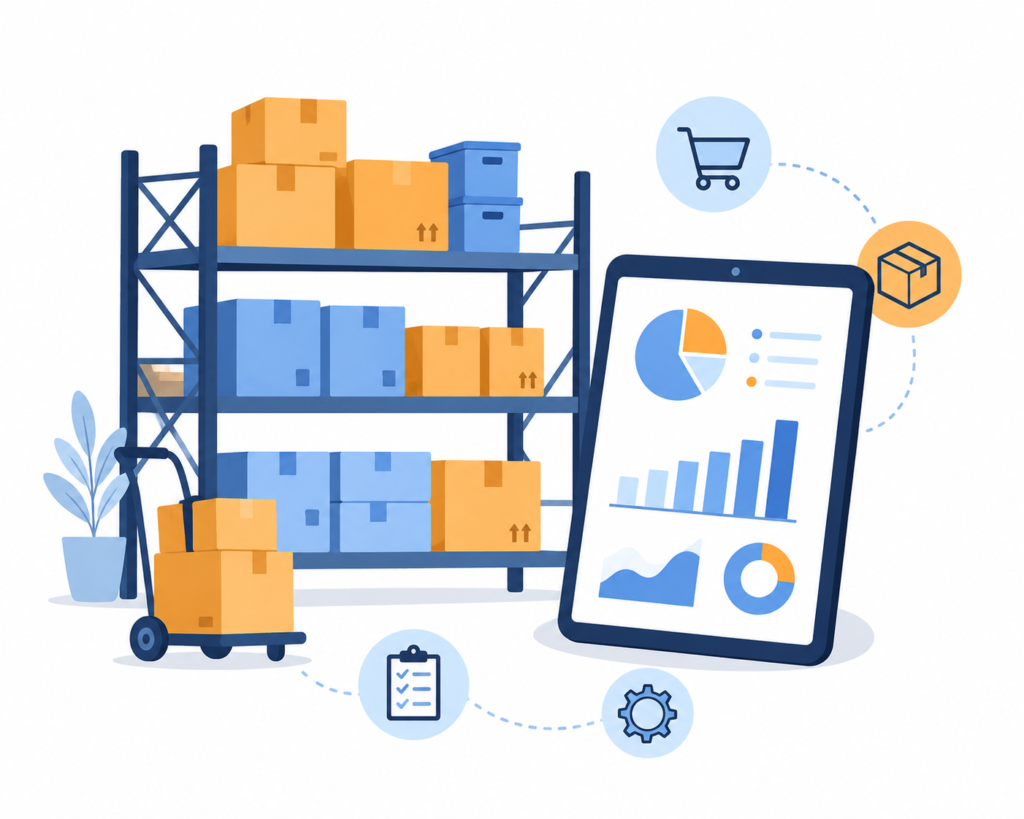
Modern businesses need integrated systems to manage finance, supply chains, sales, procurement, inventory, human resources, and other essential operations. When departments depend on disconnected applications, organizations can face duplicated data, manual processes, and limited visibility. SAP implementation services help businesses introduce integrated enterprise solutions that connect important processes and support more efficient operations.
What Are SAP Implementation Services?
SAP implementation services cover the planning, configuration, integration, testing, deployment, and support involved in introducing an SAP solution into a business environment. The process is designed around an organization’s specific requirements, existing systems, workflows, and strategic objectives.
A successful implementation begins with understanding the current business environment. Implementation teams review existing processes, identify requirements, analyze gaps, and develop a roadmap for moving toward the desired technology environment.
Why SAP Implementation Is Important
Enterprise technology projects can involve multiple departments, applications, data sources, and users. Without structured planning, implementation projects may become difficult to manage.
Professional SAP implementation services provide a framework for organizing the project from the beginning. Businesses can establish project objectives, define responsibilities, prepare data, configure required functionality, and plan integrations with existing systems.
A structured implementation can also help employees prepare for changes in business processes and technology. Training and communication can support user adoption and help teams understand new workflows.
Key Stages of SAP Implementation
The first stage is planning and requirements analysis. Business teams and implementation specialists review existing processes and identify the capabilities required from the new system.
The next stage involves system configuration and integration. Relevant SAP functionality is configured according to business requirements, while connections with other applications are established where necessary.
Data preparation and migration are also important. Existing data should be reviewed, cleaned, mapped, and transferred carefully to help ensure that users have reliable information in the new environment.
During testing, teams evaluate workflows, integrations, reports, and system functionality. Testing helps identify issues before the system goes live.
The final stages include deployment, user training, and post-go-live support. Ongoing monitoring can help organizations address issues and make improvements as users become familiar with the new system.
Benefits of SAP Implementation Services
One important benefit is improved process integration. Connecting different business functions can reduce information silos and make it easier for departments to share relevant information.
SAP implementation can also support process standardization. Businesses can establish consistent workflows and reduce unnecessary manual activities.
Improved data visibility is another potential benefit. An integrated enterprise environment can provide decision-makers with more consistent information for reporting, planning, and analysis.
Scalability is also important. A properly planned technology environment can support changing business requirements and future organizational growth.
How isoftmarts Supports SAP Implementation
Selecting an experienced technology partner can help businesses manage the complexity of an enterprise implementation. isoftmarts provides technology-focused services designed to help organizations improve their enterprise systems and digital processes.
isoftmarts can support businesses with requirements analysis, implementation planning, integration, data considerations, testing, and technology modernization. The approach focuses on understanding business needs and aligning technology capabilities with operational objectives.
A structured implementation strategy can help organizations manage change while creating a stronger foundation for future digital initiatives.
Planning for Long-Term Success
Before starting an SAP project, businesses should clearly define their objectives and understand their existing technology environment. Data quality, integrations, security, user requirements, and process dependencies should be considered during planning.
Employee involvement is equally important. Training and clear communication can help users understand new workflows and make the transition smoother.
Organizations should also plan for ongoing support, monitoring, and optimization after implementation. Business requirements can change over time, so the SAP environment should be reviewed and improved when necessary.
Conclusion
SAP implementation services can help organizations integrate business processes, improve information visibility, standardize workflows, and establish a stronger enterprise technology foundation. Careful planning, data preparation, testing, training, and ongoing support are important parts of the implementation journey.
For businesses looking to modernize their enterprise operations, isoftmarts offers technology-focused solutions that can support SAP implementation, system integration, process improvement, and broader digital transformation initiatives.