A door lock can continue working even when changing it is the better option. If you have moved into a new property, lost a key, experienced a break-in, or noticed repeated lock problems, lock change Dubai services can help restore control over who can access the property.
Replacing a lock is not always necessary for every minor fault. The right decision depends on the condition of the lock, the door, and your current access needs.
1. You Have Moved Into a New Property
Moving into a new home or office is a good time to review the existing locks.
You may receive several keys from the previous occupant, but there is no simple way to know how many copies were made before you moved in.
Depending on the lock, you may choose to rekey it or replace it completely.
Changing the lock can also be an opportunity to check whether the existing hardware is suitable for the door.
2. Your Key Has Been Lost
A lost key can create an access concern, particularly if it was lost near your property or contained something that identifies the address.
First, consider whether the key is likely to be recovered.
If you cannot determine where it went or who might have it, changing or rekeying the lock may be appropriate.
You do not necessarily need to replace every lock in the property. Focus on entrances that could potentially be accessed with the missing key.
3. Someone Who Had a Key No Longer Needs Access
Households, rental properties, and businesses can have changing occupants.
A former tenant, employee, contractor, cleaner, or other person may have previously received a key.
Simply collecting one known copy does not guarantee that other duplicates do not exist.
If access needs to change, a locksmith can assess whether rekeying or replacing the lock is the more suitable option.
4. The Lock Keeps Failing
Repeated problems are another reason to consider replacement.
You may notice that the key sticks, the cylinder becomes difficult to turn, or the lock occasionally fails to engage.
A repair may solve some problems, but an old or heavily worn mechanism may continue causing issues.
If the same fault keeps returning, compare the condition of the existing lock with the cost and practicality of installing a new one.
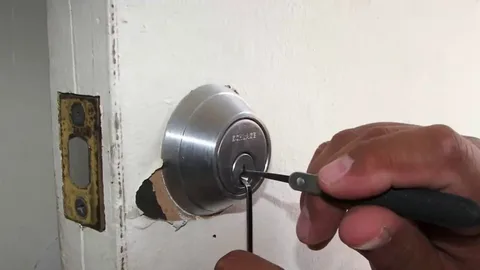
5. The Lock Has Visible Damage
Physical damage should not be ignored.
Check the cylinder, handle, surrounding hardware, and visible parts of the locking mechanism.
Damage may result from attempted forced entry, accidental impact, corrosion, or general wear.
If the lock has been compromised, a professional inspection can help determine whether repair is sufficient or replacement is more appropriate.
6. Your Door Has Been Upgraded
A door replacement or renovation can affect the locking system.
A new door may require different dimensions or hardware from the previous installation.
The lock should fit the door and frame correctly rather than being selected simply because it looks similar to the old one.
This is particularly important with specialized doors.
For example, an aluminium door lock needs to be compatible with the aluminium door profile and existing hardware.
7. You Want Better Access Control
Changing a lock can also be part of a wider access review.
For a home, you may want to reduce the number of people who have access.
For a business, different doors may need different access arrangements.
Before replacing the lock, consider who needs access, how often they use the door, and whether physical keys are still the most practical option.
A suitable lock should support the way the property is actually used.
8. The Lock Is Old or Heavily Worn
Age alone does not mean a lock must be replaced.
However, an older lock may show several signs of wear.
These can include:
- Stiff key movement
- Loose components
- Difficulty turning the cylinder
- Visible corrosion
- Repeated jamming
- A latch that does not engage properly
If several of these signs appear together, replacing the lock may be more practical than repeatedly repairing individual problems.
Repair or Change the Lock?
Not every lock problem requires replacement.
A professional may find that the issue is caused by door alignment, loose hardware, or another component that can be adjusted.
If the lock itself remains in good condition, repair may be sufficient.
Replacement becomes more relevant when the mechanism is badly damaged, repeatedly fails, or no longer meets the property’s access requirements.
The condition of the complete door should be considered before making the decision.
Check the Door Frame Too
A new lock cannot solve every door-security problem.
Inspect the frame and strike area as well.
If the door is misaligned or the frame is damaged, a new lock may still operate poorly.
In some cases, correcting the door or frame should happen before installing replacement hardware.
This can also help prevent unnecessary wear on the new lock.
Ask About Compatibility Before Installation
Locks are not universal.
Before buying a replacement, check the door thickness, lock type, cylinder dimensions, handle configuration, and available installation space.
This is especially important for aluminium, glass, steel, and other specialized doors.
Choosing a lock based only on appearance can result in poor fit or difficult operation.
When Professional Help Makes Sense
Professional assistance can be useful when you are unsure whether the existing lock should be repaired, rekeyed, or replaced.
It can also help when the door uses specialized hardware or when several locks need to be changed at the same time.
A locksmith in Dubai can inspect the door and existing mechanism before recommending the appropriate type of work.
Final Thoughts
Changing a lock can make sense for many different reasons, from moving into a new property to dealing with lost keys or repeated mechanical problems.
Before replacing the hardware, inspect the lock, door, and frame together.
If the existing lock can be repaired effectively, replacement may not be necessary. But when the mechanism is badly worn, damaged, or no longer suitable for your access requirements, a new lock can provide a practical long-term solution.