Scroll through any search page and every company looks identical. Big smiling photos, fast quotes, promises about peace of mind. Then a storm rolls through and the differences suddenly matter a lot. Sorting through flood insurance providers in Florida isn’t anybody’s idea of a fun weekend, but it beats learning the hard way. Some carriers pay claims quickly. Some drag their feet. Some sell a standard federal policy, others write their own rules from scratch. This post lays out how the market is really split, what to check before signing anything, and where owners tend to trip. Plain language, no brochure talk.
Why Florida Puts So Much Pressure on the Choice
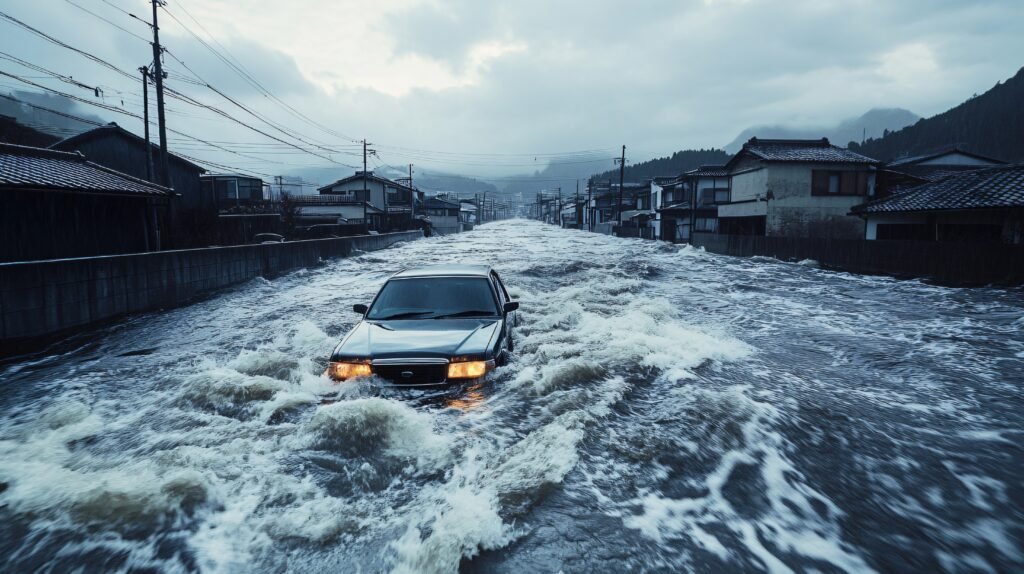
Florida is flat, low, and wet. The water table sits close to the surface, older drainage was built for a smaller state, and a summer thunderstorm can flood a street in an hour with no hurricane anywhere near. Coastal owners worry about surge, which is fair. Inland owners get hit constantly and act shocked afterward. A regular homeowners policy won’t pay for rising water, and most people find that out standing in a soaked living room. Let’s be real, that’s a terrible time to read the fine print. Because so much of the state carries some risk, the company behind the policy matters more here than almost anywhere else.
Two Kinds of Sellers and Why It Confuses Everyone
Coverage comes from two places. The National Flood Insurance Program, run through FEMA, is standardized, so the policy reads the same no matter which agent hands it over. Shopping around inside it mostly changes the service, not the product. Then there are private carriers, which write their own forms, set their own limits and decide who they’ll accept. Some offer higher protection on the building, replacement cost on belongings, or help with living costs while the house dries out. Others are stripped down, and cheap for a reason. A private company can also walk away from an area later, which the federal program generally doesn’t do. Neither one wins for everybody.
How to Size Up a Company Before Signing
Claims first. That’s where a policy proves itself, and it’s where slick websites fall apart. Read real customer stories, not just star ratings, and watch for complaints that repeat themselves. Check the financial strength of private carriers, since a company that can’t pay after a big storm is worse than none at all. Ask how a claim works from the first phone call to the final check, step by step, and notice whether the answer is clear or foggy. Watch how fast people reply before the sale too. Slow before usually means slower after. For older homes or low lots, a broker who handles flood coverage all week can save a lot of guessing.
So What Counts as the Best Flood Insurance Florida Offers?
Everybody wants one winner. Truth is, the best flood insurance Florida has depends on the house, the lot, the lender and how much risk the owner can carry alone. A raised home inland might do fine with basic coverage. A low property near a canal probably needs broader protection and a company that pays quickly. The short answer is that the best is personal. Price gets the attention because it’s easy to compare, but it’s the weakest measure by itself. What the policy pays for, what it leaves out, and how the company behaves after a loss tell the real story. A cheap policy that pays slowly isn’t cheap, it’s just expensive later.
Flood Zones, Lenders and the Zone X Mix Up
Lenders don’t negotiate here. If a home sits in a high risk area, the A and V zones, and the mortgage is federally backed, coverage is required. No policy, no loan. Zone X gets labeled moderate to low risk and lots of people hear “safe,” which is wrong. Water doesn’t read maps, and plenty of flooded homes sit outside the high risk lines. Maps also get redrawn. A house outside the boundary at closing can end up inside it years later, and a lender notice shows up with a deadline attached. Owners who want to switch to a private policy should get the lender’s approval in writing before canceling anything.
Why the Price Won’t Sit Still
Federal pricing changed when FEMA moved to a newer method that rates each property on its own. Distance to water, how often the area floods, what rebuilding would cost. The old approach leaned mostly on the zone lines. Some Florida owners saw their bills drop, others got increases that keep stacking every year until the price reaches the full risk level. Annoying, and no way around it. Private carriers use their own formulas, so the same house can pull very different offers from different companies. A higher deductible lowers the premium but only makes sense with savings behind it. Elevation certificates, flood vents and raised utilities can help too.
The Waiting Period and Other Ways People Get Burned
Coverage doesn’t start when the payment clears. There’s a waiting period, and buying once a storm is already in the forecast usually means going uncovered for the exact event that caused the panic. A few exceptions exist, like closing on a home with a mortgage, and some private policies start sooner, so ask directly. Other mistakes stack up quietly. Skipping content coverage. Assuming landscaping or the car in the driveway is protected, when it isn’t. Never making a home inventory, so there’s no proof of what was lost. Film every room with a phone, store the video online, and put the renewal date on a calendar. Lapses happen more than anybody admits.
Picking a Company Without Second Guessing Everything
So are they all playing the same game? Not even close. Compare the federal program with private options using the same assumptions on each, feed every quote accurate details about the house, and read the exclusions before signing. Finding the best flood insurance florida has really means finding the fit for one address, one budget and one comfort level with risk. Check claims reputation, confirm what the lender will accept, and ask blunt questions about timing and what’s left out. Then start early, well before hurricane season gets going. Water won’t wait for anybody to get organized, and a calm decision made in spring beats a rushed one made in a panic.