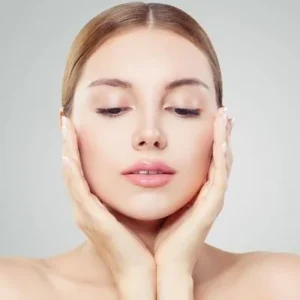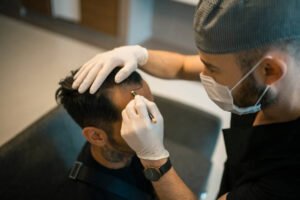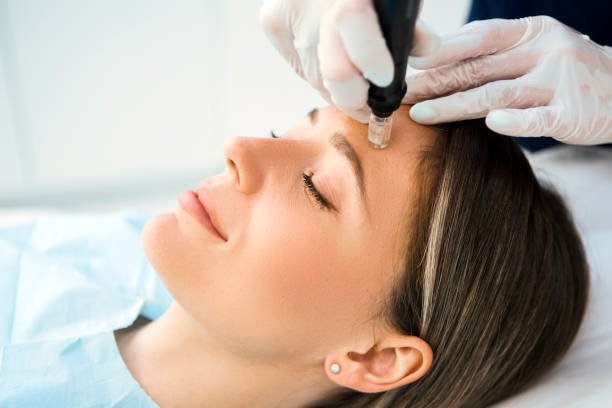
Visible pores can make the surface of the skin appear uneven, particularly when they are more noticeable around the cheeks, nose, forehead, or other areas of the face. Pore appearance can be influenced by skin texture, oil production, genetics, age, and changes in skin firmness. Microneedling Treatment Abu Dhabi is an aesthetic treatment that uses very fine needles to create controlled microchannels in the skin. This process is designed to encourage the skin’s natural renewal response and support collagen production. As the skin gradually remodels, microneedling may help improve the appearance of uneven texture and make enlarged pores appear less noticeable.
Understanding Why Pores Become Visible
Pores are small openings in the skin that allow oil and other substances to reach the surface. Their size and visibility vary naturally between individuals.
Several factors can make pores appear more prominent. Natural oil production can contribute to a more noticeable pore appearance, while reduced skin firmness may cause pores to look larger over time. Sun exposure, aging, and changes in collagen can also affect the surrounding skin structure.
Although microneedling does not literally remove pores, improving the surrounding skin texture and firmness can influence how visible they appear.
How Microneedling Works on Skin Texture
Microneedling involves the controlled creation of tiny channels in the skin using fine needles. These micro-injuries activate the body’s natural skin-repair processes.
As part of this response, collagen and elastin production can be stimulated. These proteins contribute to the structure, firmness, and elasticity of the skin.
Over time, newly produced collagen can help improve the overall texture of the treated area. When the surface becomes smoother and more refined, enlarged pores may appear less prominent.
How Microneedling Can Improve the Appearance of Pores
The main connection between microneedling and pore appearance is skin remodeling. Rather than physically closing pores, the treatment focuses on improving the skin surrounding them.
When collagen production increases, the skin may become more structured and firm. This can help create a smoother-looking surface and reduce the visual contrast around individual pores.
The degree of visible improvement can differ from person to person. Skin type, pore characteristics, age, treatment settings, and the number of sessions can all influence the outcome.
Microneedling and Enlarged Pores
Enlarged pores can be particularly noticeable when the skin has uneven texture or reduced firmness. Microneedling can be used as part of an aesthetic approach focused on refining the overall appearance of the skin.
The treatment targets selected areas with controlled needle penetration. The resulting renewal process may gradually improve texture and firmness.
Because the changes occur through natural skin remodeling, the appearance of pores generally does not change instantly. Improvements can become more noticeable as collagen production and skin renewal continue.
The Role of Collagen in Pore Appearance
Collagen provides structural support within the skin. As collagen levels and skin elasticity change over time, the appearance of pores can also change.
Microneedling is designed to encourage collagen production through controlled stimulation. As the skin develops new collagen, its texture and firmness may gradually improve.
This process can be particularly relevant when visible pores are associated with changes in skin texture or firmness. The treatment focuses on improving the overall skin structure rather than simply treating individual pores.
What Areas Can Microneedling Address?
Microneedling can be performed on selected areas where improvements in skin texture are desired. Facial areas commonly associated with visible pores can include the cheeks, nose, forehead, and other regions with uneven surface texture.
The appropriate treatment area depends on individual skin concerns and the intended aesthetic outcome. Different facial regions may have different skin characteristics, so treatment parameters can be adjusted accordingly.
A targeted approach allows attention to be focused on areas where pores or uneven texture are most noticeable.
Factors That Influence Pore-Related Results
The results of Microneedling Treatment Abu Dhabi can vary depending on individual skin characteristics. Skin type, natural oil production, pore visibility, collagen levels, age, and existing texture can all contribute to the appearance of the skin.
Treatment settings can also influence the remodeling process. Needle depth and treatment intensity may be adjusted according to the area being addressed and the desired objective.
The number of sessions can also matter. Because collagen development is gradual, multiple sessions may be considered when the goal is progressive improvement in skin texture.
Why Results Develop Gradually
Microneedling works by encouraging the skin’s natural repair and renewal processes. These processes require time.
Immediately after treatment, the skin begins its natural response, but collagen remodeling continues over a longer period. As new collagen develops, the texture and firmness of the treated area may gradually change.
This means that pore appearance should be evaluated over time rather than immediately after a session. The visible result can continue to develop as the skin remodels itself.
Microneedling for Different Skin Concerns
Visible pores are often connected with other texture concerns. Uneven skin, rough texture, fine lines, acne marks, and reduced firmness can occur alongside noticeable pores.
Microneedling may be used to address several of these texture-related concerns within the same treatment approach. Improving overall skin quality can make the complexion appear smoother and more refined.
The specific changes depend on the individual’s starting skin condition and treatment goals.
Maintaining Realistic Expectations
Microneedling can improve the appearance of skin texture, but it does not permanently eliminate pores. Pores are natural structures that remain part of the skin.
The goal is generally to make their appearance less noticeable by supporting smoother texture and improved skin firmness.
Results are influenced by individual biology and treatment characteristics. Some people may notice gradual refinement in texture, while others may experience more subtle changes.
How Treatment Plans Are Personalized
A personalized approach can consider the size and visibility of pores, the surrounding skin texture, the treatment area, and the individual’s aesthetic goals.
The treatment depth and approach may differ between facial areas. Skin with more visible texture concerns may require a different strategy from an area where pores are only mildly noticeable.
Personalized planning also helps establish realistic expectations about how the skin may change over time.
Frequently Asked Questions
Can Microneedling Make Pores Look Smaller?
Microneedling can improve the appearance of enlarged pores by supporting collagen production and refining surrounding skin texture. It does not physically remove or permanently close pores.
How Does Microneedling Help With Visible Pores?
The treatment creates controlled microchannels that stimulate the skin’s natural renewal response. Increased collagen production can improve firmness and texture, potentially making pores appear less noticeable.
Does Microneedling Permanently Remove Pores?
No. Pores are natural structures within the skin and cannot simply be removed. Microneedling focuses on improving the surrounding skin so their appearance may become more refined.
How Many Microneedling Sessions Are Needed for Pores?
The number of sessions varies according to skin condition, pore visibility, treatment goals, and individual response. A treatment plan can be adjusted according to how the skin progresses.
Can Microneedling Treat Pores on the Nose?
Microneedling may be considered for areas where visible pores and uneven texture are aesthetic concerns. The treatment approach depends on the characteristics of the skin in the specific area.
Can Microneedling Improve Skin Texture and Pores Together?
Yes. Since visible pores can be associated with uneven skin texture, improving overall texture through collagen stimulation may also influence how noticeable pores appear.
When Do Pore-Related Results Become Visible?
Changes generally develop gradually because collagen remodeling takes time. The appearance of the skin can continue to evolve after treatment as natural renewal processes progress.
Does Skin Type Affect Microneedling Results?
Yes. Skin characteristics such as texture, oil production, elasticity, and natural collagen activity can influence how the skin responds and how visible changes become.
Can Microneedling Be Used for Other Facial Concerns?
Microneedling can be used for several texture-related aesthetic concerns, including uneven texture, fine lines, acne marks, and visible pores. The appropriate treatment approach depends on the individual’s goals.
What Determines the Overall Pore Improvement?
Pore appearance can be influenced by skin condition, collagen production, treatment settings, treatment area, number of sessions, and individual biological response. These factors can contribute to how noticeable the final improvement becomes.
Conclusion
Microneedling Treatment Abu Dhabi can support improvements in the appearance of visible pores by encouraging collagen production and skin remodeling. Rather than physically closing pores, the treatment focuses on improving the structure, firmness, and texture of the surrounding skin.
Because pore appearance is influenced by many factors, results can vary between individuals. Treatment area, skin characteristics, treatment settings, number of sessions, and natural collagen production can all affect the progression of visible changes.
With realistic expectations, microneedling can be considered as an aesthetic approach for people interested in refining uneven texture and making visible pores appear less prominent as the skin gradually renews itself.