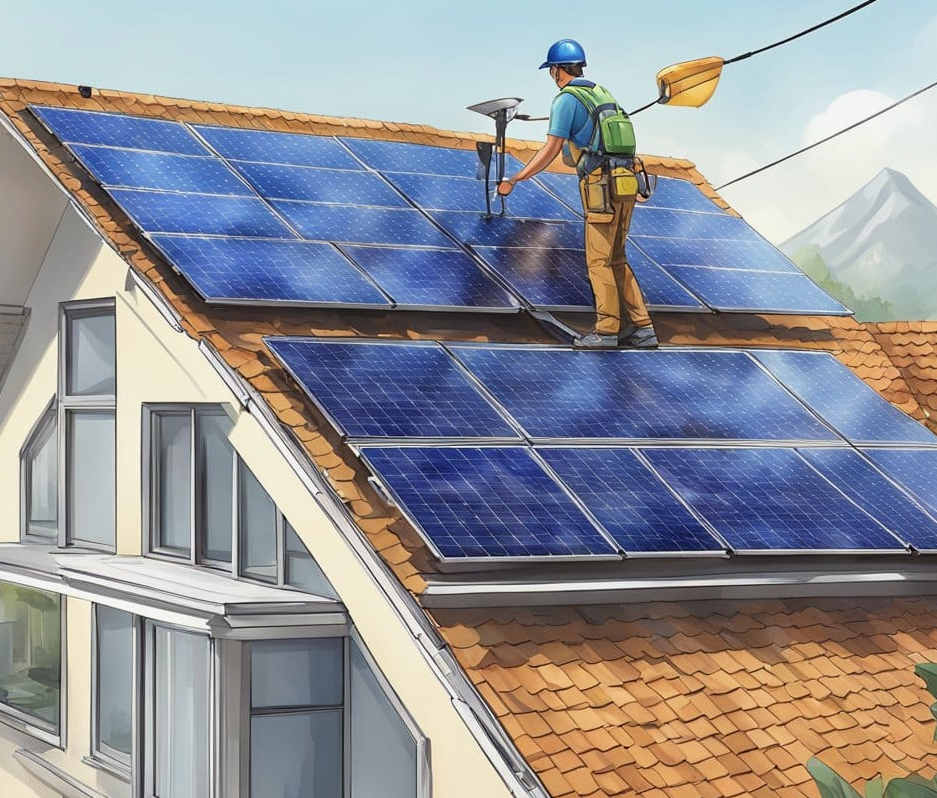
Replacing a roof is a significant home improvement project, and having an existing solar array adds another important layer of planning. Solar panels and their mounting systems occupy the roof surface that roofing professionals need to access, so a proper replacement often requires the solar equipment to be temporarily removed before construction begins. solar panel removal for roof replacement should be treated as a specialized part of the project rather than an afterthought, because the work involves electrical connections, mounting hardware, wiring, roof penetrations, and equipment that must be carefully protected. Planning the solar work before the roofing crew arrives can help create a more organized transition from the existing roof to the new one.
For homeowners considering solar panel removal for roof replacement, the most important objective is to coordinate both projects without unnecessarily damaging the solar system or compromising the new roof. A qualified solar professional can assess the existing array, document its condition, safely disconnect and remove the equipment, and coordinate the timing with the roofing contractor. Once the new roof is ready, the solar system can be reinstalled and checked before being returned to normal operation. Understanding each stage helps homeowners ask better questions, establish realistic expectations, and protect an investment that may otherwise be difficult to replace or repair.
Why Solar Panels Usually Need to Come Off Before a Roof Replacement
A complete roof replacement requires access to the roof surface, including the areas beneath and around solar mounting equipment. Roofing crews may need to remove existing shingles, inspect decking, replace underlayment, address flashing, and install new roofing materials. Leaving panels and mounting hardware in place can prevent proper access to these areas and make it difficult to complete the roof replacement as intended. The mounting points themselves also deserve attention because they interact directly with the roof structure and weatherproofing system. Once the solar equipment has been removed, the roofing team can evaluate the underlying surface and complete its work without having to work around an array. Afterward, the solar contractor can determine how the mounting system should be restored on the finished roof, taking into account any changes made during the roofing project.
How the Solar Removal Process Works
A professional removal generally begins with an assessment of the existing system rather than immediately taking panels off the roof. The solar contractor can review the panel arrangement, inverter or microinverter configuration, wiring, mounting hardware, and visible condition of the equipment. Photographs and other documentation can establish how the system was configured before removal, which can make accurate reinstallation easier later. The system then needs to be safely de-energized before electrical connections are handled. Panels, racking, and other components that must be removed are carefully taken down and protected during the roofing phase. Labeling and organized storage can help prevent confusion when the system is ready to return to the roof. This preparation is particularly valuable when a property has a large array, multiple roof planes, or a more complex electrical configuration.
Coordinating the Solar Contractor and Roofing Contractor
Communication between the solar and roofing teams is one of the most important factors in keeping the project organized. The homeowner should know when the solar equipment will be removed, when roofing work is expected to begin, and what conditions must be met before reinstallation can occur. Roofing schedules can change because of weather, material availability, unexpected decking repairs, inspections, or other construction issues. The solar contractor therefore needs enough information to adjust the reinstallation schedule when necessary. Both contractors should also understand which responsibilities belong to each trade. The roofer handles the roof replacement, while qualified solar professionals handle the solar equipment and its electrical connections. Establishing these responsibilities before work begins can reduce scheduling conflicts and prevent the homeowner from having to coordinate technical details at the last minute.
Protecting Panels and Electrical Components During Roofing Work
Solar equipment should be protected while the roof is being replaced. Panels can be damaged by impacts, improper stacking, excessive pressure, or careless handling, while connectors and wiring can be vulnerable if they are left unsecured. A suitable storage arrangement should protect removed equipment from unnecessary exposure and physical damage. The condition of the system should also be documented before removal so that pre-existing issues can be distinguished from problems discovered later. If a panel, connector, inverter, mounting component, or other part already shows signs of wear or damage, homeowners should have the issue explained before the roof project continues. This can provide an opportunity to address known problems while the system is already offline instead of discovering them after everything has been reinstalled.
Inspecting Mounting Points and Roof Penetrations
The relationship between the solar mounting system and the roof deserves particular attention during a replacement. Solar arrays commonly use attachment points that penetrate or interact with the roofing system, so those locations need to be appropriately addressed during reroofing. A new roof may require new flashing, mounting hardware, or adjustments to attachment locations depending on the condition of the decking and the roofing materials being installed. Reusing components without checking their condition can create unnecessary problems, particularly if seals or flashing have deteriorated. The solar and roofing teams should communicate about where mounting points will be located and how the finished roof will be weatherproofed. Once the roof is complete, the solar professional can reinstall the mounting system in a way that is appropriate for the new roofing surface and the existing solar equipment.
Reinstalling the Solar System After the New Roof Is Complete
Reinstallation begins only after the roofing contractor has completed the areas that need to be finished before solar equipment can return. The solar professional can then reinstall mounting components and panels, reconnect the electrical system, secure wiring, and inspect the completed array. The original panel layout may be restored when appropriate, although the final arrangement can depend on changes made to the roof or mounting structure. Before the project is considered complete, the system should be checked for proper operation. Depending on the equipment, this may include reviewing electrical connections, inverter or microinverter operation, monitoring functionality, and system production. A careful final inspection helps ensure that the physical reinstallation and electrical restoration have both been completed rather than assuming that the system is ready simply because the panels are back on the roof.
Choosing a Qualified Professional for Solar Removal
Solar panel removal involves electrical work as well as physical equipment handling, so homeowners should verify the qualifications of the professional they hire. The Texas Department of Licensing and Regulation states that anyone performing or offering to perform solar panel installation or maintenance in Texas must be a Texas electrical contractor licensed by TDLR and use Texas-licensed electricians. Homeowners should therefore ask who will perform the electrical disconnection and reconnection, confirm the contractor’s applicable credentials, and clarify what documentation and testing are included. It is also sensible to ask how the company will coordinate with the roofing contractor and what happens if damaged equipment or unexpected roof conditions are discovered. Choosing a properly qualified solar professional can provide a clearer process for handling the system before, during, and after the roof replacement.
Planning for a Smooth Roof and Solar Project
Good planning starts before either contractor arrives at the property. Homeowners should obtain a clear roofing scope, discuss the solar removal requirements, establish an approximate timeline, and confirm how the equipment will be stored. It is also useful to determine whether the roof replacement could reveal conditions that affect the solar mounting layout. Weather should be considered as well, particularly in areas where storms can interrupt construction schedules. Keeping records of the solar system before removal can provide a useful reference during reinstallation. Once the new roof is finished, the homeowner should confirm that the solar contractor has completed the necessary inspection and system testing. This coordinated approach treats the roof and solar array as connected parts of one construction project while keeping the responsibilities of each professional clear.
Conclusion
Solar panel removal for roof replacement is an important process that requires careful coordination, qualified electrical work, equipment protection, and thorough reinstallation. Homeowners should plan the solar removal before roofing begins, document the existing system, ensure that the panels and related components are safely handled, and communicate closely with the roofing contractor throughout the project. Once the new roof is complete, the solar system should be professionally reinstalled, inspected, and tested before being returned to normal operation. By treating solar removal as an essential part of the roofing project rather than a last-minute task, property owners can better protect both their new roof and their existing solar investment while creating a smoother path from removal to successful reinstallation.