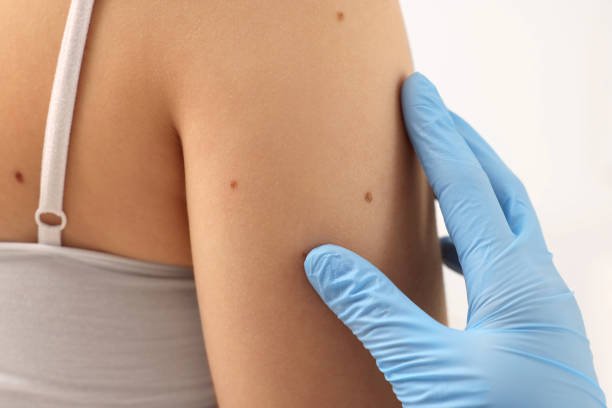
A mole can be a familiar part of someone’s appearance, but changes in its shape, colour, size, or texture may raise questions. Mole Removal in Abu Dhabi may be worth considering when a mole causes irritation, catches on clothing, affects confidence, or needs professional assessment. Whether removal is suitable depends on the mole’s features, the person’s skin, and the reason for wanting it removed.
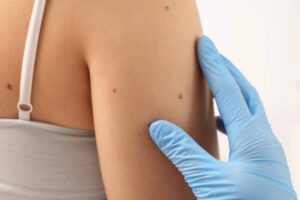
Moles are clusters of pigment-producing cells that can appear anywhere on the skin. Some are present from birth, while others develop over time. Many remain stable and do not require treatment. A qualified skin professional can examine a mole and explain whether monitoring, testing, or removal is appropriate.
When Might Removal Be Considered?
Removal may be discussed for practical, cosmetic, or medical reasons. A mole that repeatedly rubs against clothing or gets nicked during grooming may be uncomfortable. Someone may also feel self-conscious about a prominent mole, especially if it is on a visible area.
A professional assessment is particularly important when a mole appears to be changing. Warning signs can include an uneven outline, several colours, a noticeable increase in size, or a new, persistent change in sensation. These signs do not automatically mean that a mole is dangerous, but they should not be ignored. A professional can determine whether further evaluation is needed.
How Skin Type and Mole Features Matter
Skin tone and sensitivity can influence how the skin responds to a procedure and how it heals. A person with a history of raised scars, prolonged marks, or skin sensitivity should mention this during the consultation. The location and depth of the mole also matter, as do its size and appearance.
Not every mole is suitable for the same removal method. Some can be removed with a simple technique, while others may need a different approach or laboratory examination. The professional should explain the recommended method, what it involves, and whether a sample will be assessed. The choice should be based on the mole and the individual’s needs, rather than appearance alone.
What Happens During an Assessment?
An assessment usually begins with questions about when the mole appeared and whether it has changed. The professional may ask about relevant personal or family skin history and examine the area closely. Clear information helps them make a suitable recommendation.
The person can ask questions about the procedure, healing, expected appearance, and whether the mole could return. If the mole has unusual features, the professional may recommend a closer examination or testing before deciding on removal. A careful assessment helps ensure that a cosmetic concern does not distract from a health-related issue.
What to Expect From Removal
The exact process depends on the mole’s characteristics and the chosen technique. The area may be cleaned and numbed before the procedure. Removal may involve taking the mole from the skin’s surface or removing a deeper portion, depending on what is appropriate.
A small dressing may be used afterward, and the person will receive instructions for caring for the area. Healing varies according to the removal method, the body area, and individual skin response. The final appearance may take time to settle. A professional can discuss the possibility of a mark or scar before the procedure, so expectations are realistic.
Questions to Consider Before Deciding
Before choosing removal, a person can reflect on what is prompting the decision. Is the mole uncomfortable, changing, or mainly a cosmetic concern? Has it been assessed by a qualified professional? Does the person understand the proposed method and the likely healing process?
It can also help to ask whether monitoring is a reasonable option. If removal is recommended, the person should understand why and whether the tissue will be examined. Taking time to understand these points can make the decision feel clearer and more confident.
Who May Benefit From a Consultation?
A consultation may be useful for anyone who has noticed a change, experiences repeated irritation, or wants advice about a mole’s appearance. It can also help someone who is unsure whether a spot is a mole or another type of skin mark.
People with a history of unusual moles or significant skin concerns may benefit from discussing a suitable monitoring plan. A professional can explain what changes to watch for and when to seek another assessment. The aim is not to remove every mole, but to choose an appropriate response for each individual situation.
Frequently Asked Questions
Does Every Mole Need to Be Removed?
No. Many moles remain stable and do not need removal. A professional can assess the mole and recommend monitoring or treatment based on its appearance, location, and any changes.
Can a Mole Be Removed for Cosmetic Reasons?
A person may ask about removal because a mole affects confidence or feels bothersome. A professional should first assess it and explain whether removal is suitable, including what the healing process may involve.
Will Removal Leave a Mark?
The result depends on the mole, the method, its location, and how the skin heals. Some procedures leave a small mark. A professional can discuss likely outcomes before treatment, though the exact result cannot always be predicted.
Should a Changing Mole Be Removed Straight Away?
A changing mole should be assessed rather than treated without evaluation. A professional can decide whether closer examination, testing, monitoring, or removal is appropriate.
Can the Same Method Be Used for Every Mole?
No. Mole depth, size, location, and appearance can all affect the recommended approach. The method should be selected after an individual assessment.
Making an Informed Choice
Mole removal may be suitable when a mole causes discomfort, affects confidence, or raises a health concern, but it is not the right choice for every skin mark. A professional assessment helps distinguish between moles that can be monitored and those that may need further attention. With clear information about the method, healing, and expected appearance, each person can make a decision that fits their skin concerns and personal priorities.