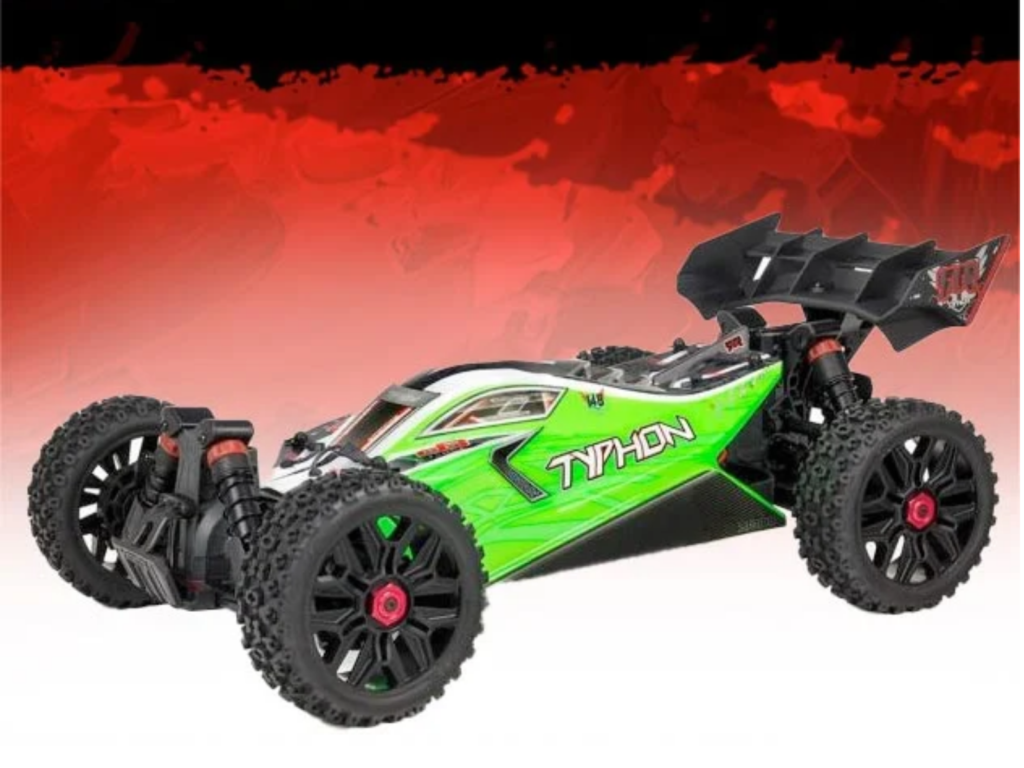
Off-road RC driving offers a completely different experience from running a vehicle on a smooth driveway or racing track. Dirt, grass, gravel, rocks, and uneven surfaces all require an RC car with the right combination of traction, suspension, ground clearance, and durability.
If you are planning to take your RC car outdoors, understanding the features that matter can help you choose a vehicle that is better suited to the terrain.
What Makes an RC Car Good for Off-Road Driving?
An off-road RC car needs to handle surfaces that are unpredictable and uneven. Several features can make a significant difference.
Ground Clearance
Higher ground clearance helps the vehicle move over rocks, roots, bumps, and other obstacles without the chassis constantly hitting the ground.
Suspension
A capable suspension system helps the vehicle absorb bumps and maintain contact with the surface. Adjustable shocks and springs can also allow experienced drivers to tune the vehicle for different conditions.
Tires
Tires have a major effect on traction. Larger tires with aggressive tread patterns are commonly used for loose dirt, grass, and other outdoor surfaces.
Four-Wheel Drive
4WD can provide additional traction when driving over loose or uneven terrain. It can be especially useful when climbing slopes or navigating surfaces where the wheels may lose grip.
Different Types of Off-Road RC Cars
There are several types of RC vehicles designed for outdoor driving.
Monster trucks typically feature large tires, high ground clearance, and suspension systems designed to handle rough surfaces.
Short course trucks are designed to combine off-road capability with racing characteristics. They can be suitable for drivers who want both speed and control.
Buggies are generally lightweight and designed for speed and maneuverability on dirt tracks and similar surfaces.
Rock crawlers focus more on low-speed control, traction, and obstacle climbing than top speed.
Electric Models for Outdoor Driving
Electric RC cars are popular for off-road use because they are convenient and relatively easy to operate. Battery-powered models are available in many configurations, from beginner-friendly vehicles to high-performance setups.
Before purchasing an RC car for sale, check whether the model is designed for the type of terrain you intend to drive on.
Durability Matters
Off-road driving can put considerable stress on an RC vehicle. Rocks and jumps can affect suspension components, tires, gears, and other parts.
Look for models with readily available replacement parts. Being able to replace damaged components can significantly extend the useful life of the vehicle.
Waterproofing and Outdoor Conditions
Some RC cars are designed with water-resistant or waterproof electronics. This can be useful when driving through damp grass or encountering light water exposure.
However, waterproofing specifications vary between models. Always check the manufacturer’s recommendations before driving through water.
Choosing Based on Your Terrain
The best off-road RC car depends on where you plan to drive.
For grass and dirt, a monster truck or short course truck may be suitable. For rocky trails and obstacles, a crawler may be more appropriate. For dirt-track racing, a buggy can offer the handling characteristics you need.
Final Thoughts
Off-road RC driving is about more than choosing the fastest vehicle. Traction, suspension, ground clearance, tires, drivetrain, and durability all contribute to the driving experience.
Think about the terrain you will encounter first, then choose an RC vehicle designed to handle those conditions. The right match between vehicle and terrain can make outdoor driving more enjoyable and reduce unnecessary wear on the vehicle.