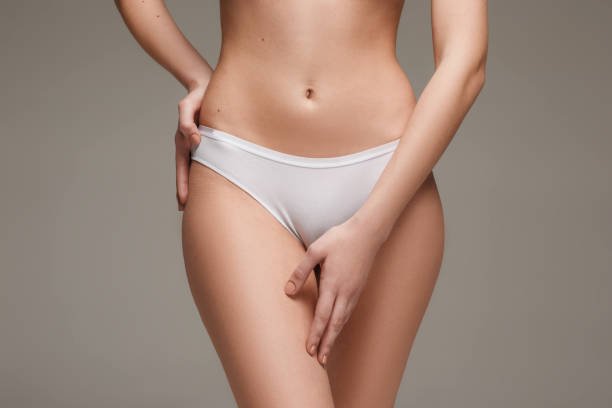
Labiaplasty is a surgical procedure that reshapes or reduces the labia minora, the inner folds of skin around the vaginal opening. Some people consider it when the labia rub against clothing, become uncomfortable during exercise, or cause friction during everyday movement. For those exploring Labiaplasty Surgery in Abu Dhabi, it helps to understand what the procedure may—and may not—do before deciding whether to seek a professional assessment.
Labial size and shape vary widely, and there is no single appearance that is considered normal. The decision to pursue surgery is personal. It may be based on persistent physical discomfort, appearance-related concerns, or a combination of factors. A consultation can help clarify whether the symptoms are related to the labia and whether surgery is an appropriate option.
How Friction Can Occur
Friction may happen when labial tissue rubs against underwear, tight clothing, or the skin nearby. It can also arise during activities involving repeated movement, such as cycling, running, or certain forms of exercise. Some people notice pulling or rubbing when sitting for long periods or during sexual activity.
The experience can differ from person to person. For one individual, friction may be occasional and mild; for another, it may interfere with exercise or daily comfort. Clothing fit, activity type, skin sensitivity, and individual anatomy can all play a part. Persistent irritation should be discussed with a qualified healthcare professional, since discomfort can have causes unrelated to labial size.
Can Labiaplasty Reduce Friction?
Labiaplasty may reduce friction for some people when prominent or elongated labial tissue is the main source of rubbing. By reshaping or reducing selected tissue, surgery may lessen the amount of skin that catches or presses against clothing during movement. Some patients report improved comfort during activities that previously triggered pulling or irritation.
However, results cannot be guaranteed. Surgery may not resolve friction if it is mainly caused by clothing, skin sensitivity, another health concern, or a different anatomical factor. The procedure also does not prevent every type of irritation. A careful assessment is important so that expectations remain realistic and the treatment plan reflects the person’s symptoms and goals.
What an Assessment May Involve
A healthcare professional may ask when the friction occurs, how long it has been present, and which activities make it worse. They may also discuss the person’s general health, previous treatments, and reasons for considering surgery. An examination, when appropriate and with consent, can help determine whether labial tissue is likely contributing to the discomfort.
The discussion should include the potential benefits, limitations, and alternatives to surgery. The person should have time to ask questions and consider the information without pressure. They can also ask how the procedure is planned, what recovery may involve, and what outcomes are realistic for their individual anatomy.
What to Consider Before Deciding
A decision about labiaplasty is best made for personal reasons and with a clear understanding of the procedure. Helpful questions may include:
- Does friction occur regularly, or only in specific situations?
- Has the discomfort been assessed by a qualified professional?
- Are there non-surgical factors, such as clothing fit or activity, that may contribute?
- What improvement would feel meaningful, and what limitations are possible?
- Is there enough time to understand the procedure and recovery before making a decision?
These questions can support an informed conversation. They are not a substitute for individual medical advice, and no single answer determines whether surgery is right for someone.
Comfort and Recovery Considerations
Recovery varies according to the individual and the procedure performed. A healthcare professional can explain how long healing may take and when everyday activities can gradually resume. Following the specific instructions provided is important, as recovery needs are not identical for everyone.
People considering surgery may want to plan for a period of reduced activity and arrange practical support if needed. They should ask when exercise, work, and sexual activity can be resumed, and what changes during healing should prompt a call to their care team. Clear guidance helps set expectations and supports a more comfortable recovery.
FAQs About Labiaplasty and Friction
Is labiaplasty performed only to reduce friction?
No. People may consider it for different personal reasons, including discomfort during movement or concerns about the appearance of the labia. A professional assessment can help establish whether surgery may address the concern being experienced.
Will labiaplasty eliminate all rubbing?
Not necessarily. It may reduce friction when labial tissue is the main cause, but it cannot guarantee that rubbing or irritation will disappear. Other factors may continue to contribute, so an assessment and realistic expectations are important.
Can friction have causes other than labial size?
Yes. Clothing, repeated movement, skin sensitivity, and other health concerns may contribute. A healthcare professional can help evaluate persistent discomfort rather than assuming that labial size is the cause.
How can someone prepare for a consultation?
They can describe when the discomfort happens, which activities trigger it, and how it affects daily life. Writing down questions beforehand may help ensure that the discussion covers expected benefits, limitations, recovery, and alternatives.
Making an Informed Choice
Labiaplasty may help reduce friction when excess or prominent labial tissue is clearly contributing to discomfort. Its suitability depends on individual anatomy, symptoms, and expectations, and improvement cannot be promised. A respectful consultation can help identify likely causes, explain available options, and give the person space to make a considered decision.