Choosing a Japanese knife brand can be surprisingly difficult. There are countless options online, and product descriptions often focus on terms such as Damascus, VG-10, hand-forged, Seki-made and high hardness. But these terms only become useful when you understand what they mean for actual kitchen performance.
A good Japanese knife is not simply the one with the most attractive blade or the longest list of specifications. The better choice depends on how the knife is made, what steel forms its cutting core, how the blade is finished, how it feels in your hand and whether its maintenance requirements suit your cooking habits.
1. Start With the Knife, Not the Brand Name
When comparing a Japanese knife brand, it is easy to begin with reputation. A more useful approach is to start with the knife itself.
Think about what you normally prepare. Someone who spends most evenings chopping vegetables may have very different requirements from a home cook who prepares meat, fish and vegetables in equal amounts.
Your cutting technique matters too. Japanese kitchen knives are often designed around precise slicing and controlled cutting rather than heavy chopping. Their thinner profiles can make everyday preparation feel faster and cleaner, but they also require more care than a thick, heavy-duty knife.
This is why there is rarely one Japanese knife brand that is automatically the best choice for everyone.
Instead, look for a brand that clearly explains its steel, construction, sharpening, intended use and care requirements. Transparency is one of the simplest ways to separate a serious knife maker from a seller relying mainly on attractive product photography.
2. Pay Attention to Where the Knife Is Made
The location associated with a Japanese knife brand can tell you something about its manufacturing tradition, but the location alone should not determine your purchase.
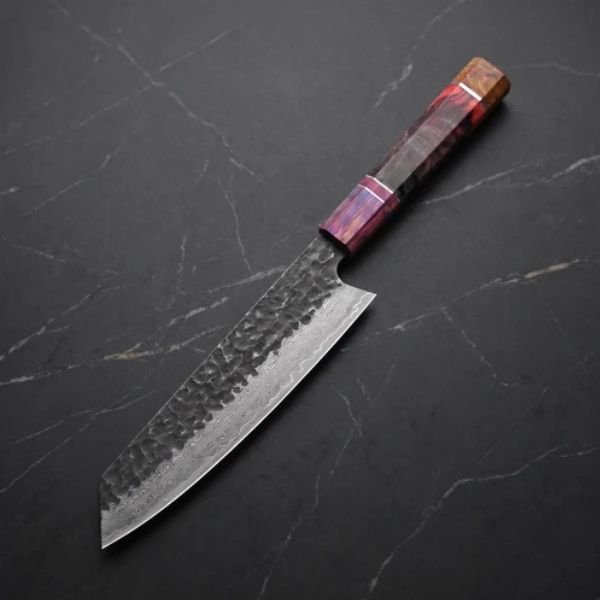
Seki, in Gifu Prefecture, is one of Japan’s historic blade-making centres. The city has a long association with sword and cutlery production, and modern Seki manufacturers continue to produce kitchen knives using established blade-making skills alongside modern manufacturing techniques.
For buyers, the important question is not simply whether a knife says “Made in Japan.” Look for information about where the blade is forged, ground, sharpened and finished.
A brand that explains its production process gives you more useful information than one that simply uses Japanese imagery as a marketing theme.
If craftsmanship is important to you, details such as forging, heat treatment, grinding and hand finishing deserve more attention than the country label alone.
3. Understand the Steel at the Cutting Core
Steel is one of the most important factors in a Japanese kitchen knife because the core material directly influences how the blade behaves during use.
VG-10 is particularly popular in Japanese kitchen knives because it offers a practical combination of hardness, edge retention and corrosion resistance. It is commonly used as the cutting core in Damascus-style knives.
However, seeing “VG-10” on a product page should not be the end of your research.
Heat treatment, blade geometry and sharpening quality also influence performance. Two knives using the same steel can feel completely different because the makers have treated and shaped that steel differently.
For a home cook, this is an important distinction. A recognised steel combined with good heat treatment and thoughtful blade geometry is generally more meaningful than an impressive-sounding steel description with little information about how the blade is actually made.
4. Know What Damascus Means Before Paying More
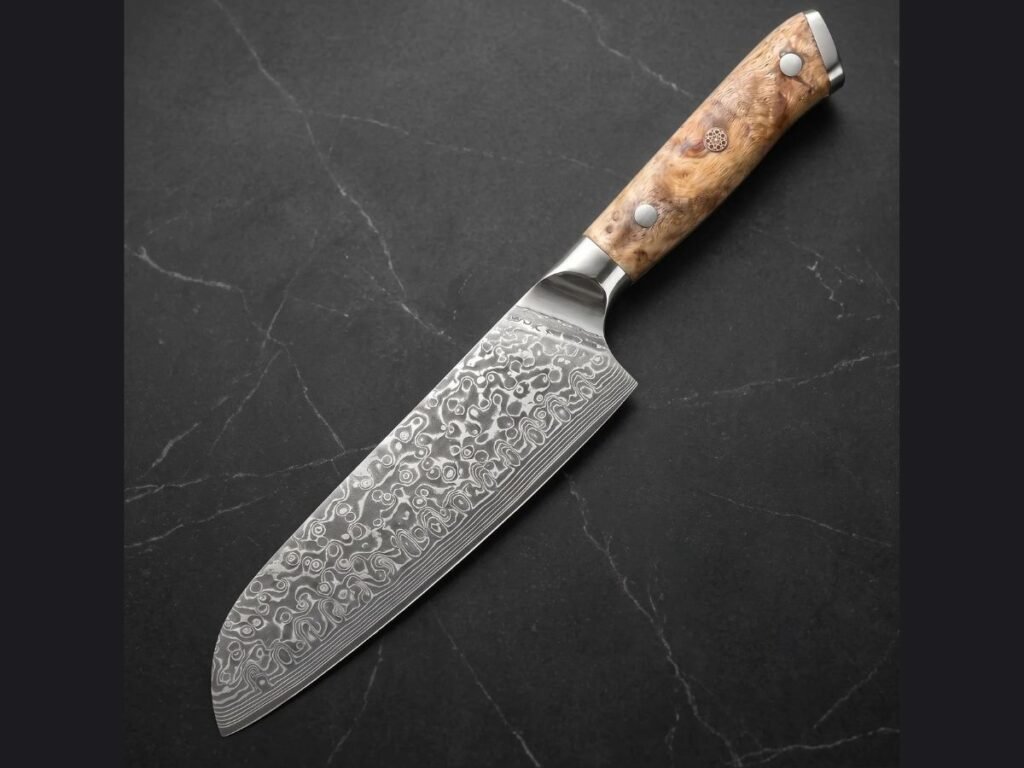
Damascus is one of the most recognisable features associated with premium Japanese kitchen knives. The flowing pattern can make a blade look distinctive, but the pattern itself should not automatically be interpreted as superior cutting performance.
In many modern Japanese Damascus knives, a harder steel forms the cutting core while patterned layers form the surrounding cladding. The core is the part that reaches the cutting edge and performs the actual cutting.
That does not make Damascus unnecessary.
For many buyers, the craftsmanship and appearance of the patterned blade are part of the appeal. A well-finished Damascus knife can combine practical cutting performance with a distinctive visual character.
The important point is to understand what you are paying for. Do not assume that a higher layer count automatically means a sharper or longer-lasting knife.
Instead, investigate the core steel, hardness, edge geometry, construction and finishing. These details tell you much more about how the knife is likely to perform.
5. Look at Edge Geometry and Blade Design
A Japanese knife brand may use excellent steel, but the knife can still disappoint if its geometry does not suit your cooking.
Blade thickness, profile, edge angle and grind all influence how a knife moves through food. A thinner blade can reduce resistance when slicing vegetables or proteins, while an appropriately shaped profile can make repetitive preparation more comfortable.
Edge angle is another specification worth understanding. A narrow edge can provide excellent cutting performance, but a finer edge also needs sensible handling.
For example, using a delicate kitchen knife to cut bones, frozen food or hard objects is a poor match regardless of how expensive the knife is. The right knife should be matched to the task.
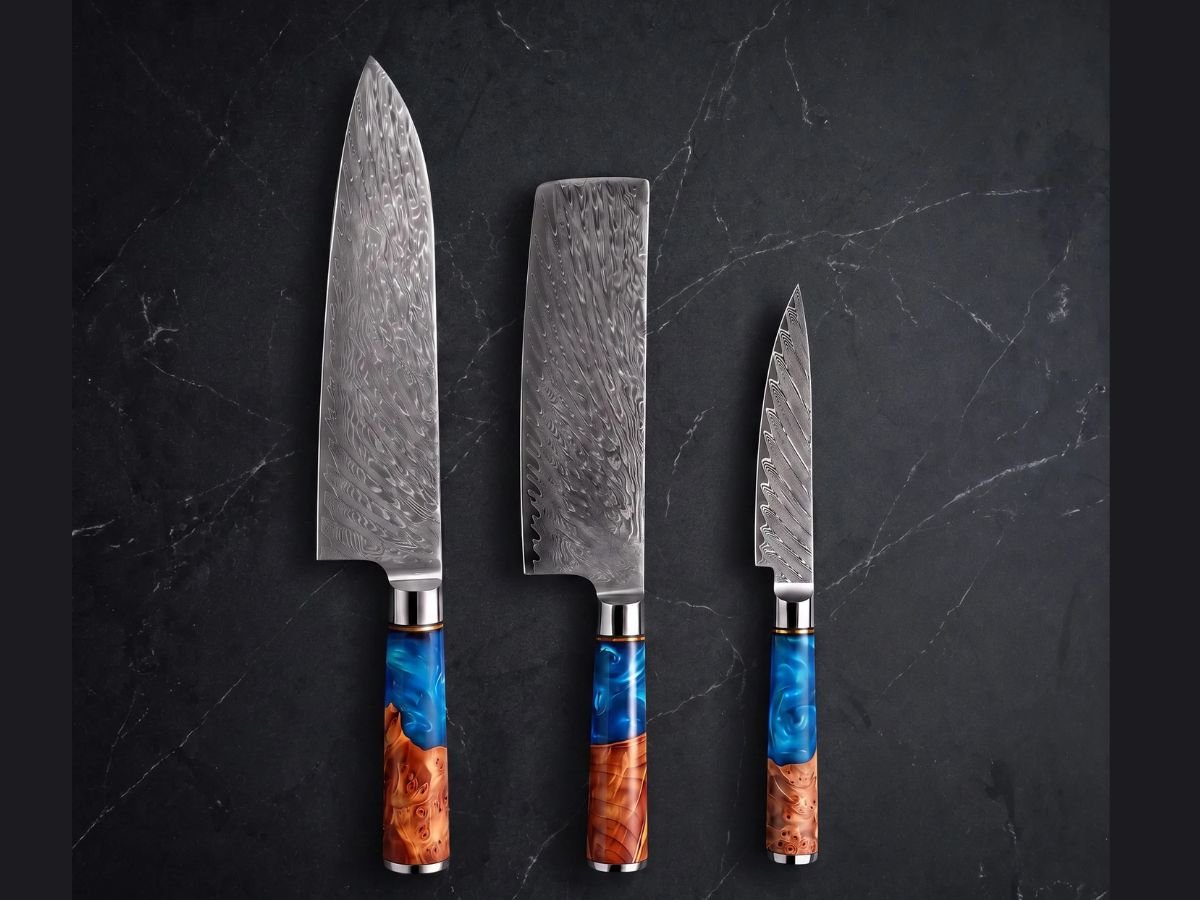
This is also where knife types become important. A Gyuto is a versatile choice for many cooks, while a Santoku is often attractive to people who prefer a compact all-purpose knife. A Nakiri can be particularly useful for vegetable-focused preparation.
The best Japanese knife brand should offer designs that correspond to different cooking needs rather than treating every blade as an interchangeable product.
6. Consider Craftsmanship, Balance and Everyday Comfort
Specifications tell only part of the story. A knife also needs to feel right in your hand.
Imagine preparing dinner after a long day and spending 30 minutes chopping onions, carrots, herbs and other ingredients. A knife that feels awkward, unbalanced or uncomfortable can quickly become frustrating even if its steel is excellent.
Pay attention to handle construction, weight distribution and the relationship between the blade and handle.
Hand-finishing can also make a noticeable difference. Careful sharpening, polishing and inspection can contribute to a cleaner edge and better overall finish.
This does not mean every hand-forged knife will automatically outperform every machine-made knife. Rather, the manufacturing process should be evaluated alongside the final result.
A strong Japanese knife brand should be able to explain what craftsmanship means in its knives rather than using “hand-forged” as an isolated selling point.
7. Match the Knife to Your Cooking Habits
The right purchase becomes much easier when you consider your actual kitchen routine.
If you cook vegetables every day, a Nakiri or Santoku may be more appropriate than buying a large chef’s knife simply because it is marketed as a professional option.
If you want one knife to handle most preparation tasks, a Gyuto can provide a broader range of uses. If you regularly prepare fish, meat or specialised ingredients, a purpose-built knife may make more sense.
Maintenance should also be part of the decision.
Japanese knives with harder steels and finer edges can require more careful handling. Hand washing, thorough drying and appropriate cutting boards are sensible habits, while dishwashers and rough surfaces can damage a quality blade.
Think about your habits honestly. The best knife is not necessarily the most advanced one. It is the one whose performance and care requirements fit naturally into your kitchen.
8. What Should You Look for in a Japanese Knife Brand?
A worthwhile Japanese knife brand should make it easy to answer several basic questions: Where is the knife made? What steel forms the cutting core? How is the blade constructed? How is it sharpened? What type of cooking is it designed for? And how should it be maintained?
Those answers matter more than marketing language alone.
For example, someone looking for a Japanese Damascus knife may want the visual character of layered steel but still prioritise a reliable VG-10 core, appropriate hardness and a well-finished edge. Another buyer may care more about a simple blade that offers maximum practicality for everyday cooking.
It is also worth checking whether the brand provides clear information about its manufacturing process and after-sales support. A warranty, sharpening service or clear care guidance can become valuable long after the initial purchase.
One example worth considering is SHIROSUKI, a Japanese kitchen knife brand that focuses on hand-forged knives made in Seki, Japan. Its published specifications include Damascus construction around a VG-10 core, hand-honed edges and hand-finished production, giving buyers a useful example of how steel, craftsmanship and finishing can come together in one knife.
Ultimately, choosing a Japanese knife brand should come down to performance, craftsmanship, materials and suitability for your cooking style. A beautiful Damascus pattern may attract your attention, but the core steel, heat treatment, geometry, edge and overall construction determine much more about the knife you will actually use. When those factors align with your needs, you are far more likely to choose a knife that remains useful and enjoyable for years rather than simply impressive on the day you buy it.