Right, let’s begin with the basics because this is a question many people ask, and it’s not one to be ashamed of. Indie dyed yarn is simply yarn that has been hand dyed by an independent dyer, often out of their garage, spare room, or tiny studio, rather than in a factory producing thousands of skeins at a time. Australia has seen an indie dye boom in the last five or so years, and you can find everything from moody tonal blues from Melbourne dyers to vibrant tropical variegated colourways from Queensland dyers. The main difference between indie dyed yarn and commercial yarn is the small scale of indie dyers. Each dye lot is unique, sometimes incredibly different from each other, and the handspun look and feel of the yarn itself is completely different to a commercial acrylic. If you have ever knit with a commercial acrylic and then picked up a hand dyed merino or silk blend, you will instantly be able to see and feel the difference in the fibre.
Why Are Aussie Knitters Switching To Indie Dyed Yarn Australia Sellers?
I think a big part of it comes down to wanting something that feels less mass produced. People are tired of buying the same beige jumper fabric everyone else has. When you buy from an indie dyed yarn Australia seller, you’re often getting a name attached to your purchase, a real person who mixed that dye pot themselves, maybe even a little note in the package saying which batch it came from. There’s also the local angle which matters more than people admit. Buying Australian means you’re not waiting six weeks for a parcel to clear customs from overseas, and you’re supporting someone who’s probably also a knitter or spinner themselves, not a corporation. Prices can run a bit higher than big box yarn stores, sure, that’s true and I won’t pretend otherwise. But you’re paying for skill, for someone standing over a stove testing acid dyes for hours until they get exactly the shade they want. That labour is worth something. A lot of buyers also like knowing the fibre sourcing — where the wool came from, whether it’s superwash treated, that kind of transparency you rarely get from big commercial brands.
What Should You Look For When Choosing A Yarn Base?
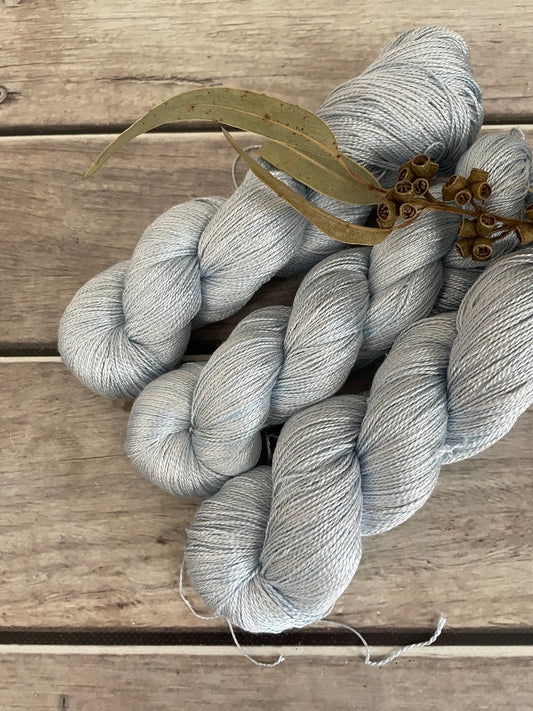
This bit trips people up a lot, especially newer knitters. The base — meaning the actual undyed yarn before any colour goes on it — matters just as much as the dye job, maybe more. You’ve got merino bases which are soft and springy and take dye beautifully, you’ve got BFL (that’s Bluefaced Leicester for anyone new) which has more sheen and drape, and then you’ve got blends. Silk blends are hugely popular right now, and this is where mullberry silk yarn Australia dyers really shine. Mulberry silk comes from silkworms fed exclusively on mulberry leaves, which sounds like a small detail but it actually produces a finer, more lustrous fibre than wild silk varieties. When indie dyers blend mulberry silk into a merino base, you get this gorgeous halo effect and the colours just glow differently, almost like the silk is catching light the wool can’t. If you’re after a shawl or something with drape, a silk blend base is worth the extra dollars. If you want hardwearing socks, stick to a nylon reinforced merino instead, silk blends aren’t great for high friction areas like heels.
How Does The Dyeing Process Actually Work?
Most Australian indie dyers use acid dyes, which despite the scary name are pretty safe to handle with basic precautions like gloves and decent ventilation. The wool gets soaked first, sometimes overnight, then dye is painted, poured, or the skein gets dunked straight into a dye bath depending on what effect they’re chasing. Heat sets the dye, usually in a steamer or a big pot on the stove, and this is where a lot of the magic and also a lot of the frustration happens. Too much heat too fast and you get felting, which ruins the whole skein. Not enough time and the dye doesn’t fully bond, so it bleeds later when the knitter goes to block their finished project. I’ve spoken to a few dyers who’ve told me their first year of dyeing was basically a year of expensive mistakes, ruined pots, colours that looked nothing like what they imagined. It’s a craft that takes real practice, not something you nail on your first go, and I think that’s worth remembering next time you’re grumbling about a price tag on a hand dyed skein.
Is Mulberry Silk Yarn Australia Made Worth The Extra Cost?
Short answer, yes, mostly. Longer answer, it depends what you’re making. Mulberry silk yarn Australia based dyers produce is genuinely a step up in luxury feel compared to standard wool yarn. The fibre itself is stronger than most people expect too, silk has a higher tensile strength than steel by weight if you want a fun fact to bring up at your next knit night, though obviously it behaves totally differently when it’s spun into fine yarn. For lace shawls, wraps, anything where you want drape and shine rather than bounce and squish, silk blended yarn is brilliant. It’s not the right choice for everything though. A chunky winter jumper doesn’t need silk’s drape, you’d actually want the opposite, something with more loft and memory like a pure wool or wool-alpaca blend. So don’t feel like you need to chase silk for every single project just because it’s trendy right now. Match the fibre to the project, that’s the golden rule really, and any decent indie dyer will tell you the same thing if you ask them directly, most of them love talking fibre content honestly.
Where Do Australian Indie Dyers Actually Sell Their Yarn?
This one surprises people. A lot of the best indie dyed yarn Australia has to offer never even makes it to a physical shop shelf. Instagram is massive for this industry, dyers post their new colourways and skeins sell out within minutes sometimes, it’s a bit like a mini yarn auction happening in the comments. Etsy is another big platform, though a lot of dyers are moving away from it because of fee increases, so more are running their own Shopify stores now. Then there’s the market and show circuit — wool and craft fairs happening in most capital cities and plenty of regional towns too, where you can actually touch the yarn before buying, which honestly matters a lot with fibre, photos never quite capture the real texture or colour accurately on screen. Yarn clubs are also a thing worth mentioning, where you subscribe and get a mystery skein each month from your favourite dyer. It’s become a proper little economy of its own within the broader Australian fibre arts community.

What Colours And Trends Are Popular Right Now?
Speckled yarns had their huge moment a few years back and they’re still popular but I’d say tonal, semi-solid colourways are having a real resurgence right now, especially among garment knitters who don’t want pooling messing up a big project like a jumper. Earthy, muted palettes, think rust, sage, dusty plum, those colours keep coming up again and again in dyer collections across the country. Bright neon rainbow skeins still sell but they’re more of a niche now, popular mostly for sock knitters and smaller accessory projects where a loud colour doesn’t overwhelm. Seasonal releases matter a lot too, dyers will do an autumn collection with warm oranges and browns, then switch to icy blues and whites for a winter release. If you follow a dyer for a while you start noticing their signature style, some are known for saturated jewel tones, others lean into soft pastels, and honestly that’s part of the fun of following indie dyers rather than just buying whatever’s on the shelf at a big craft store.
How Do You Care For Hand Dyed And Silk Blend Yarns Properly?
Care instructions matter more with hand dyed yarn than people realise, and this is something a lot of newer knitters skip reading until it’s too late. Always hand wash unless the label specifically says superwash treated and machine washable, because even then I’d still be cautious with anything containing silk. Cold water only, a gentle wool wash, no wringing, just squeeze the water out gently and lay flat to dry. Colour bleeding is a genuine risk with hand dyed yarns, even good quality ones from skilled dyers, because acid dye doesn’t always bond one hundred percent perfectly every single time, it’s just the nature of small batch dyeing rather than industrial processing. Test wash a small swatch first if you’re nervous, especially if you’re combining multiple colours in one project like colourwork or stripes. For mulberry silk blends specifically, avoid direct sunlight for long drying periods because silk can yellow slightly over time with UV exposure, same reason you wouldn’t leave silk fabric clothing on a windowsill for hours.
What Should Beginners Know Before Buying Their First Indie Skein?
Don’t go overboard buying single skeins of everything that catches your eye, that’s the classic beginner trap and I’ve done it myself if I’m honest. Figure out your project first, check the yardage you actually need, then buy accordingly, maybe with a small buffer skein extra in case you run short. Ask the dyer directly if you’re unsure about dye lot consistency for a bigger project needing multiple skeins, most are happy to help and will often try to pull from the same dye pot for you if you explain what you’re making. Don’t be scared off by the price difference compared to commercial yarn either, a lot of that price reflects genuinely small batch production, sometimes literally one dyer working alone with a handful of pots on their stovetop. And don’t feel pressured to always chase the trendiest colourway of the month, buy what you’ll actually enjoy knitting with and wearing, that matters more long term than owning whatever’s currently blowing up on social media.
Final Thoughts On Supporting Australia’s Indie Yarn Scene
At the end of the day, buying indie dyed yarn Australia wide isn’t just about getting a nicer colour than what Big W or Spotlight stocks. It’s about supporting actual small businesses, often one person businesses, who are pouring real time and skill into every single skein they produce. Whether you’re after a classic wool base or something a bit more luxurious like a mulberry silk yarn Australia blend for a special project, there’s a dyer out there somewhere in this country making exactly what you’re picturing. The scene keeps growing too, new dyers pop up every few months it feels like, which is honestly great for buyers because more competition tends to mean better quality and more interesting colour work overall. So next time you’re stocking up for a project, maybe skip the big chain store just once and see what a local indie dyer can offer instead. You might find your new favourite yarn, and a new favourite small business to follow along the way too.
Frequently Asked Questions
Is indie dyed yarn Australia sourced always more expensive than commercial yarn?
Usually yes, but not always by a huge margin. It depends on the fibre base and how well known the dyer is, some smaller newer dyers price quite reasonably to build up a following.
What’s the difference between mulberry silk yarn Australia dyers use and regular silk yarn?
Mulberry silk comes from silkworms raised specifically on mulberry leaves, giving it a finer texture and more shine compared to tussah or wild silk varieties commonly used elsewhere.
Can beginners knit with silk blend yarn or is it too tricky?
It’s totally doable for beginners, though silk can be a bit more slippery to handle than pure wool, so patience helps, especially with smaller needles.
How do I know if an indie dyer is based in Australia and not just importing yarn?
Check their website or Instagram bio, most Australian dyers are upfront about where they source fibre and where the actual dyeing happens, ask directly if it’s unclear.
Do hand dyed yarns fade faster than commercial yarns over time?
Not necessarily, quality varies by dyer and dye type used, but keeping projects out of direct sunlight helps preserve colour vibrancy regardless of where the yarn came from.