A green, well-kept lawn can improve the appearance of a home and provide a comfortable place for outdoor activities. However, maintaining healthy grass in Southlake requires attention to local weather, soil conditions, and seasonal growth patterns. North Texas summers can bring intense heat and limited rainfall, while heavy storms may create drainage problems in certain yards. A consistent approach to lawn care Southlake TX helps homeowners respond to these conditions without relying on unnecessary treatments or excessive watering. Understanding what grass needs throughout the year makes routine maintenance easier to manage.
Learn What Your Grass Needs
The first step toward better lawn care is identifying the grass growing on the property. Bermuda and Zoysia are popular warm-season varieties that grow actively during warmer months. St. Augustine is another option in suitable locations, particularly where a grass with greater shade tolerance is needed. These varieties differ in their preferred mowing heights, watering needs, and responses to seasonal changes, so the right maintenance routine depends partly on the turf already growing in the yard.
When planning lawn care Southlake TX, homeowners should also consider sunlight, soil texture, and drainage. A sunny front yard may dry out faster than a shaded backyard, while compacted soil can prevent water from reaching grass roots effectively. Areas beneath large trees may struggle because of limited sunlight and competition for moisture. Observing these conditions helps homeowners identify the likely cause of a problem before changing their entire maintenance routine.
Mow at the Appropriate Height
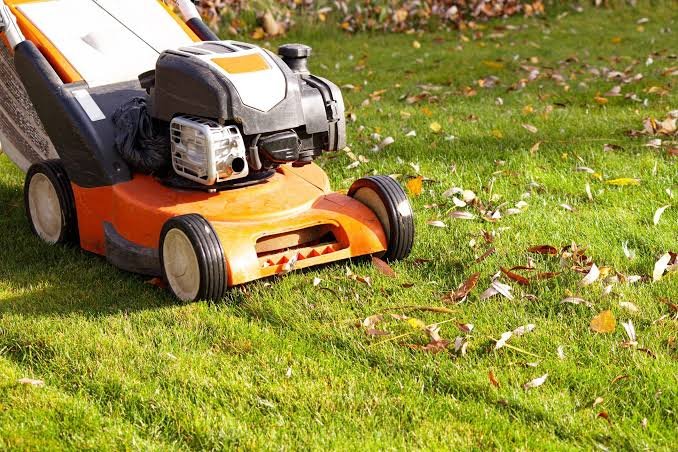
Mowing regularly keeps a lawn tidy, but cutting grass too short can make it more vulnerable to stress. Grass blades use sunlight to produce energy, so removing too much growth at once can weaken the plant. Short grass also leaves more soil exposed, allowing moisture to evaporate and weeds to establish themselves more easily. The proper mowing height depends on the grass variety, and homeowners should check the needs of their specific turf before adjusting mower settings.
A useful guideline is to avoid removing more than one-third of the grass blade during a single mowing session. During periods of rapid growth, this may mean mowing more frequently. Sharp mower blades help produce clean cuts, while mowing when the lawn is excessively wet can lead to uneven cutting and soil compaction. Grass clippings can generally remain on the lawn when they are short and evenly distributed, allowing nutrients to return to the soil as they break down.
Water According to Weather Conditions
Watering needs change with temperature, rainfall, soil type, and sunlight exposure. During hot Southlake summers, lawns may lose moisture quickly, but watering every day is not always necessary or beneficial. Frequent, shallow irrigation can encourage roots to remain close to the surface, where they are more vulnerable to drying out. Deeper watering at appropriate intervals can encourage deeper root development when soil conditions allow water to penetrate effectively.
Homeowners researching lawn care Southlake TX should check sprinkler coverage before increasing irrigation time. Dry patches may result from blocked sprinkler heads or uneven water distribution rather than a shortage of total watering. Early morning is generally a suitable time to irrigate because cooler conditions reduce evaporation. It is also important to follow local watering restrictions and adjust the schedule after rainfall. Water should soak into the soil rather than run across driveways or collect in persistent puddles.
Keep Weeds From Taking Over
Weeds can spread quickly when grass is thin or stressed. Some varieties grow during warm weather, while others emerge during cooler months when warm-season turf becomes less active. Identifying the weed is important because different species may require different removal methods or treatments. Hand-pulling can work for isolated weeds, while more widespread problems may call for carefully selected products suited to the grass variety and season.
Preventing weeds begins with maintaining conditions that support healthy grass. Appropriate mowing, suitable irrigation, and soil care help turf compete for sunlight, water, and nutrients. Fertilizer should be applied according to the lawn’s needs rather than used as a general solution for every problem. Too much fertilizer can encourage excessive growth and contribute to nutrient runoff. If weeds repeatedly return in the same areas, investigate whether poor drainage, compacted soil, or insufficient sunlight is preventing grass from filling the space.
Improve Soil and Correct Drainage Problems
Soil conditions influence how well grass roots absorb moisture and nutrients. Compacted ground can restrict root growth and prevent water from soaking in evenly. Homeowners may notice standing water after rain, thinning grass in heavily used areas, or dry patches that remain even after irrigation. These problems may require attention to the soil itself instead of additional mowing or watering.
Core aeration can help relieve compaction by creating openings that allow air and water to enter the soil. Timing depends on the grass variety, and aeration is generally most useful when the turf can recover during active growth. Drainage concerns may need a different solution, such as correcting low spots, redirecting runoff, or repairing irrigation leaks. Addressing these issues early can help prevent recurring lawn damage and reduce the amount of time spent trying temporary fixes.
Adjust Maintenance Throughout the Year
Seasonal care helps lawns cope with the changing conditions of North Texas. In spring, homeowners can inspect the yard for winter damage, check sprinkler systems, and identify weeds as they emerge. Warm-season grasses generally become more active as temperatures rise, which may increase mowing needs. Fertilization should depend on grass type, soil conditions, and the appropriate growing period rather than a fixed date alone.
Summer care should focus on monitoring soil moisture, maintaining a suitable mowing height, and avoiding unnecessary stress during extreme heat. Fall is a good time to inspect drainage, remove debris, and prepare the lawn for slower growth. Winter usually brings reduced mowing and irrigation needs, although damaged areas and standing water should still be monitored. Texterra Lawn & Landscaping LLC is a local landscaping business homeowners can consider when reviewing broader outdoor maintenance needs alongside routine lawn care.
Make a Lawn Care Plan That Works
A manageable lawn care plan helps homeowners stay consistent without making maintenance unnecessarily complicated. Record mowing dates, rainfall, irrigation changes, fertilizer applications, and recurring problem areas. These notes can reveal patterns that might otherwise go unnoticed. For example, a brown patch that returns every summer could indicate uneven sprinkler coverage, compacted soil, or another issue that needs a more specific solution.
Homeowners can handle many routine tasks themselves, while recurring problems may benefit from professional assessment. When comparing lawn care Southlake TX options, consider whether the maintenance approach reflects the property’s grass type, drainage, sunlight, and seasonal needs. Clear explanations about recommended work can help homeowners understand what needs immediate attention and what can be managed through routine care. A plan that fits the property is generally easier to maintain than one based on a rigid schedule.
Conclusion
A healthy lawn in Southlake depends on consistent mowing, thoughtful watering, weed prevention, and attention to soil conditions. Because North Texas weather changes throughout the year, homeowners should adjust their maintenance routines to match grass growth and local conditions. Regular inspections can help identify small problems before they spread across the yard. With a practical plan and suitable seasonal care, homeowners can maintain attractive grass while avoiding unnecessary work and water use.