A swimming pool can be a valuable part of a home, offering a place to cool off, exercise, and spend time with family. However, regular cleaning, chemical treatments, filtration, and equipment repairs can add to household expenses. The key to affordable pool maintenance is not necessarily doing everything yourself or choosing the cheapest available service. It is understanding which tasks matter most, preventing avoidable problems, and building a maintenance routine that fits the pool and the household budget.
Many pool expenses become easier to manage when homeowners address small concerns before they develop into larger ones. A clogged basket, an ignored chemical imbalance, or a dirty filter may seem minor at first, but neglect can affect circulation and water quality. With a few consistent habits and a clear understanding of service costs, pool owners can make more informed decisions throughout the year.
Understand the Real Costs of Pool Ownership
The cost of maintaining a pool extends beyond a monthly cleaning appointment. Homeowners may need to budget for sanitizer, balancing chemicals, electricity, replacement parts, filter maintenance, and occasional repairs. Water use can also contribute to expenses, particularly when leaks, excessive splashing, or unnecessary draining occur. The exact total depends on pool size, equipment efficiency, climate, and how frequently the pool is used.
Creating a basic maintenance budget helps make these costs easier to track. Record regular service fees, chemical purchases, utility expenses, and repair bills over several months. This provides a clearer picture of what the pool actually costs rather than relying on estimates or remembering only the most recent payment. It can also reveal seasonal patterns, such as increased chemical use during periods of intense sunshine.
Affordable pool maintenance starts with understanding where money goes and which expenses are necessary. Some costs support routine operation, while others result from unusual weather, aging equipment, or problems that need professional attention. Separating these categories makes it easier to plan ahead and identify realistic opportunities to save without compromising water quality.
Build a Routine That Prevents Expensive Problems
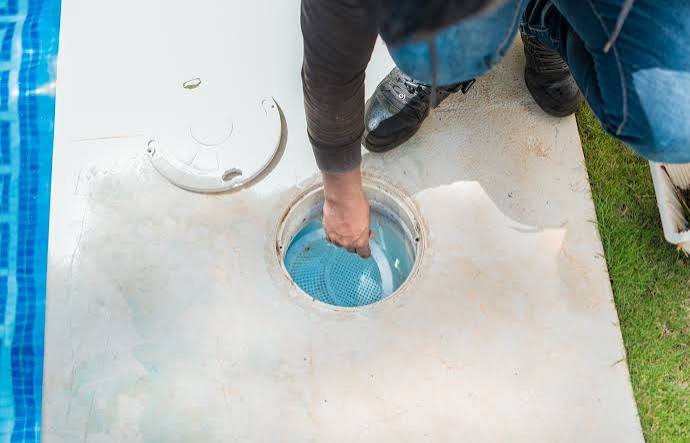
Regular cleaning is one of the simplest ways to keep pool maintenance predictable. Removing leaves and other debris before they sink reduces the amount of material that must be vacuumed later. Brushing pool walls and steps helps loosen dirt and early algae growth, while emptying skimmer and pump baskets supports circulation. These tasks are relatively straightforward, although the time required depends on the pool’s size and surroundings.
For homeowners who have limited time, affordable pool maintenance can include a combination of personal upkeep and scheduled professional visits. For example, a homeowner might remove visible debris between appointments while leaving chemical adjustments, detailed cleaning, and equipment observations to a service provider. The right balance depends on confidence, available time, and the complexity of the pool system.
Consistency matters more than occasional bursts of intensive work. When debris accumulates or water chemistry drifts for an extended period, restoring the pool may require additional chemicals, longer cleaning sessions, or specialist treatment. A practical schedule helps spread the work throughout the season and reduces the likelihood of facing several neglected tasks at once.
Use Pool Chemicals Carefully and Correctly
Chemical expenses can rise when homeowners add products without testing the water first. Pool chemistry is interconnected, so an adjustment made to address one reading can affect other aspects of water balance. Testing sanitizer levels, pH, and alkalinity helps determine what the water actually needs before any product is added.
Follow product labels carefully and use test methods appropriate to the pool’s sanitizer system. Avoid mixing concentrated chemicals together, and store them in their original containers according to the manufacturer’s instructions. Some products require specific handling precautions, and improper storage can create safety hazards. When readings are confusing or repeated adjustments fail to solve a problem, professional guidance may be more economical than continuing to experiment.
Keeping a record of test results and chemical additions can also prevent unnecessary purchases and repeated treatments. A pool that repeatedly develops algae, for instance, may have a circulation issue, a filtration problem, or an underlying chemical imbalance. Simply adding more algaecide without investigating the cause can increase costs while leaving the real problem unresolved. Careful testing supports both effective treatment and more responsible spending.
Keep Equipment Efficient Through Basic Checks
Pool pumps, filters, and circulation components influence operating costs as well as water quality. A clogged basket or dirty filter can restrict water movement, while an equipment fault may cause a system to operate inefficiently. Checking baskets, watching for leaks, and observing changes in pump performance can help homeowners recognize when something needs attention.
Energy use deserves particular consideration because pumps may operate for several hours each day. The appropriate run time depends on pool volume, pump type, filtration needs, weather, and swimming activity. Variable-speed pumps may offer energy-saving opportunities when configured correctly, but replacing equipment solely to reduce bills requires a realistic assessment of purchase costs and expected savings. Manufacturer guidance and advice from a qualified pool professional can help determine whether an adjustment is appropriate.
Filter maintenance should follow the equipment manufacturer’s instructions and the system’s operating conditions. Cleaning too infrequently can affect performance, while unnecessary cleaning may waste time and water. If pressure readings change significantly or circulation weakens, investigate the cause rather than automatically replacing parts. Timely attention to small equipment concerns can help avoid more disruptive repairs later.
Decide Which Tasks to Handle Yourself
Some pool chores are suitable for homeowners, while others require specialized knowledge or equipment. Skimming, removing visible debris, and observing water levels are generally manageable routine tasks. More complicated work involving electrical components, plumbing faults, heaters, or pump repairs should be assessed by a qualified professional when safety or technical expertise is a concern.
A practical approach is to compare the time and tools required for each task with the potential cost of a mistake. Doing simple work yourself may reduce service expenses, but incorrect chemical treatment or an improvised equipment repair can create additional problems. Homeowners should also consider whether they can complete maintenance consistently, especially during hot weather or busy periods.
Some providers, including Anomaly Pool Services, serve homeowners in the Dallas-Fort Worth area with pool cleaning and maintenance options. When comparing providers, ask which tasks are included in routine visits and which are billed separately. Clear service descriptions make it easier to decide whether a full-service plan, occasional professional assistance, or a combination of professional and personal upkeep offers the most practical value.
Compare Service Plans by Value, Not Price Alone
The lowest quoted price does not always translate into the lowest overall cost. One maintenance plan might include brushing, vacuuming, basket cleaning, water testing, and routine chemical adjustments, while another may charge separately for some of those tasks. Comparing only the monthly fee can therefore create an inaccurate impression of the actual expense.
Ask providers to explain their standard visit, chemical billing, filter cleaning policy, and approach to reporting equipment concerns. It is also helpful to understand how extra visits are handled after storms, heavy swimming activity, or an algae outbreak. Written details make it easier to compare similar services and reduce the risk of unexpected charges.
An affordable pool maintenance plan should fit the pool’s actual needs and give homeowners a reasonable understanding of future costs. A heavily shaded pool may require frequent debris removal, while a pool with older equipment may need more regular monitoring. Choosing a plan based on these conditions can be more useful than paying for a generic package that does not match the property.
Plan Ahead for Seasonal Maintenance
Seasonal planning helps homeowners avoid treating every pool expense as an emergency. Before periods of heavy use, check cleaning supplies, inspect visible equipment, and make sure the regular maintenance schedule is suitable for expected conditions. After storms, remove debris and test the water as needed. During cooler periods, follow appropriate guidance for circulation, water treatment, and equipment protection rather than assuming the pool no longer needs attention.
It is also sensible to set aside money for occasional repairs. Pumps, filters, heaters, and other components have finite service lives, and routine cleaning cannot prevent every mechanical failure. A small reserve can make an unexpected repair easier to manage without disrupting other household expenses. Keeping service records and equipment information together can also help when obtaining estimates or deciding whether a repair is worthwhile.
The most effective savings usually come from a combination of routine care, informed purchasing, and timely intervention. Homeowners do not need to eliminate every maintenance expense to control their budget. They need a clear picture of their pool’s needs and a practical plan for addressing them.
A Practical Approach to Long-Term Pool Savings
Managing pool expenses is about making sensible decisions consistently, not cutting corners on essential cleaning or water treatment. Regular debris removal, accurate testing, equipment observation, and clear service agreements help homeowners understand what their pool requires and where savings may be possible.
By planning for routine work and occasional repairs, homeowners can make pool ownership more predictable throughout the year. A maintenance approach that balances personal effort with appropriate professional help can protect water quality, support reliable equipment, and leave more room in the budget for enjoying the pool.