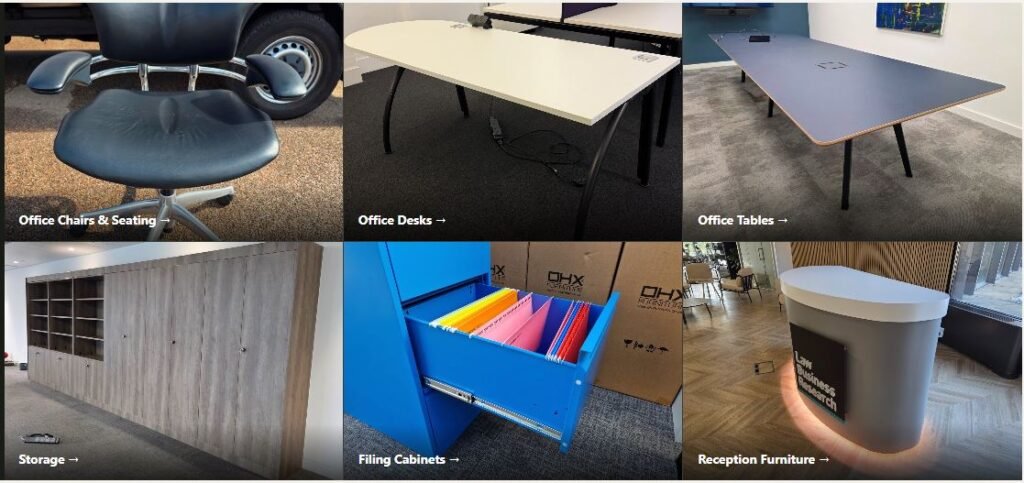
Furnishing an office is about more than choosing desks and chairs that look good. Every purchase affects your budget, available workspace, and the comfort of your team. Whether you are setting up a new office, expanding your workforce, or refreshing an existing space, comparing furniture costs can help you make better decisions without sacrificing practicality.
The trick is to look beyond the price tag. A cheaper item is not always the best value, and an expensive option does not automatically mean better quality. Taking time to compare your choices can help you create a comfortable, professional workplace while keeping spending under control.
1. Look Beyond the Initial Purchase Price
When comparing office furniture, consider how much value each item offers over time. Two desks might serve the same purpose but differ in durability, storage, condition, and maintenance requirements.
Before making a purchase, consider:
- Build quality: Check the materials, stability, and overall construction.
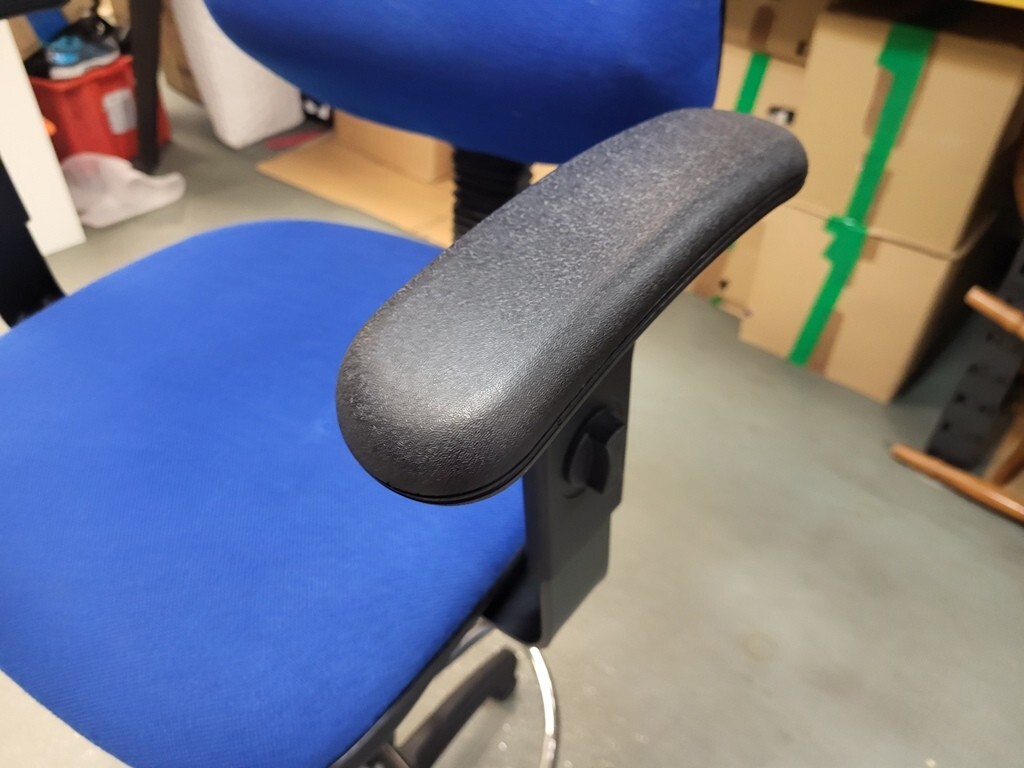
- Everyday comfort: Choose chairs and desks that support comfortable working.
- Practical features: Look for useful storage, adjustable settings, and space-saving designs.
- Long-term use: Consider whether the furniture will meet your needs as your team grows.
A little research before ordering can help prevent unnecessary replacements and unexpected expenses later.
2. Compare New and Pre-Owned Furniture Carefully
Buying everything brand-new may seem like the simplest option, but it is not the only way to furnish a workplace. Pre-owned furniture can offer practical alternatives, particularly when several workstations need to be equipped at once.
When you buy used office furniture online, compare the condition, dimensions, photographs, and product details rather than judging an item by price alone. Ask questions about visible wear, missing components, and delivery arrangements if any information is unclear.
A useful comparison should include:
- The total cost of each item, including delivery where applicable.
- The condition and expected usefulness of the furniture.
- Whether the dimensions suit your available floor space.
- The seller’s returns policy and any applicable warranty.
- The cost of assembling, moving, or maintaining the item.
This approach makes it easier to understand which option offers the best balance between affordability and everyday usability.
3. Choose Furniture That Makes Better Use of Space
An office can become expensive to furnish when the layout has not been planned properly. Oversized desks, unnecessary storage units, and poorly positioned meeting tables can waste valuable floor space.
Before purchasing anything, measure your office and map out the main areas. Think about how employees move between desks, where visitors will sit, and how much room is needed for shared activities.
For a more efficient setup, consider these ideas:
- Bench desks: Useful for creating shared workstations in open-plan offices.
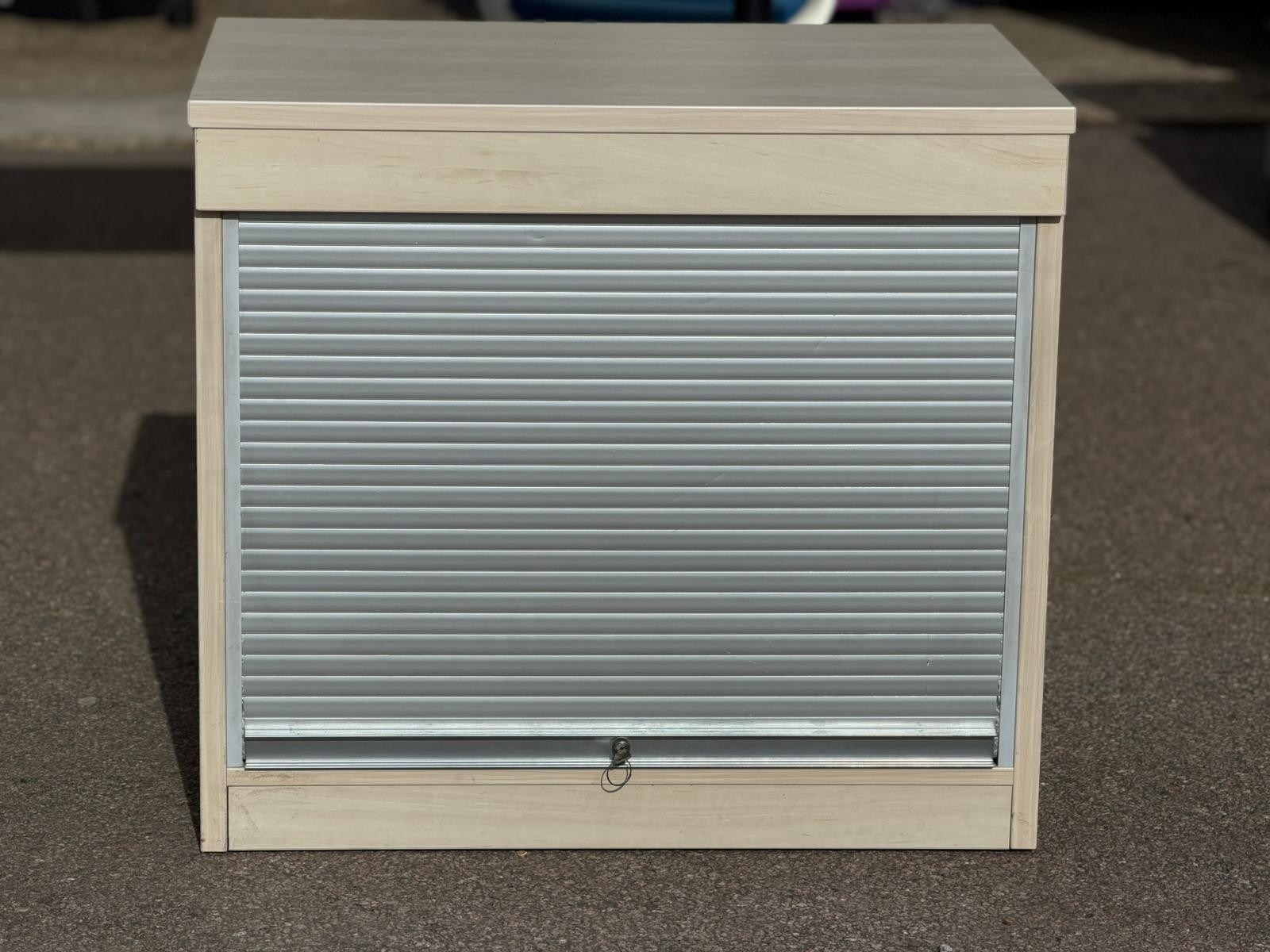
- Compact storage: Helps keep paperwork and everyday supplies organised without overcrowding the room.
- Meeting tables: Select a size that accommodates your usual group without dominating the space.
- Multi-purpose furniture: Consider pieces that serve more than one practical purpose.
A thoughtful layout can sometimes save more money than simply choosing the cheapest furniture available.
4. Give Reception Areas the Same Attention
The reception area creates an early impression of your business, but furnishing it does not have to consume a large part of the budget. The right combination of seating, counters, and storage can make the space welcoming and functional.
When comparing used reception furniture, think about the image you want to create, the number of visitors you typically welcome, and how much room is available.
Prioritise a few essentials:
- Comfortable visitor seating that suits the space.
- A reception counter with enough room for daily tasks.
- Colours and finishes that complement your existing interior.
- Furniture that is easy to clean and maintain.
You do not need an elaborate reception area to make a positive impression. A clean layout and carefully selected furniture can achieve a professional look without unnecessary spending.
5. Create a Furniture Budget Before You Start Shopping
It is easy to focus on individual bargains and lose track of the overall cost. Setting a realistic budget before shopping helps you decide where to spend more and where a simpler option will work just as well.
Divide your budget into categories such as desks, chairs, storage, meeting furniture, and reception essentials. Keep a small allowance for delivery, installation, and unexpected requirements.
A simple furniture-buying checklist:
-
List the furniture your office genuinely needs.
-
Measure the available space.
-
Compare prices across several suitable options.
-
Check condition, dimensions, and product specifications.
-
Include delivery and other additional costs.
-
Review the total before confirming your order.
If you plan to purchase used office furniture online, this checklist can also help you compare different sellers consistently instead of making rushed decisions based on attractive prices.
Make Your Office Budget Go Further
A well-furnished office does not depend on spending the most money. It comes from understanding your requirements, comparing the full cost of different options, and choosing furniture that works for your people and your space.
Take a little time to assess quality, measure carefully, and plan your purchases around genuine needs. By balancing price with practicality, you can create a workplace that feels organised, comfortable, and professional while keeping your budget firmly on track.