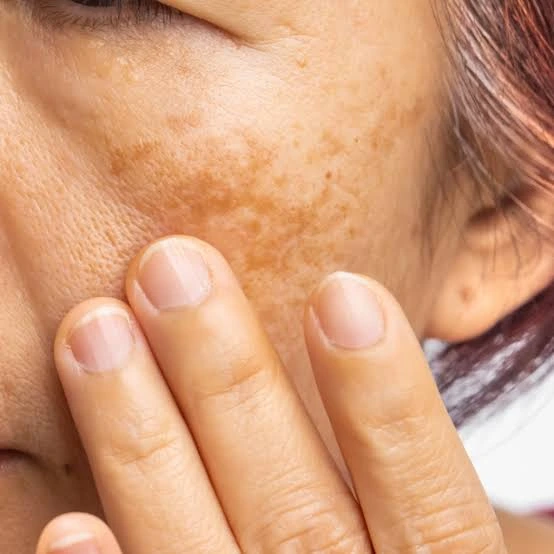
Facial pigmentation is a common skin concern that can affect the appearance of the complexion and make the skin tone look uneven. Melasma is a form of pigmentation characterised by brown, grey-brown, or darker patches that commonly appear on the cheeks, forehead, nose, and upper lip. These patches can develop gradually and may become more noticeable following sun exposure or hormonal changes. For individuals seeking a more even complexion, understanding how Melasma Treatment in Abu Dhabi targets facial pigmentation can help them explore suitable treatment options. Melasma develops when melanocytes, the cells responsible for producing melanin, create excess pigment in certain areas of the skin. Although melanin helps protect the skin against ultraviolet radiation, excessive or uneven production can lead to visible patches. Treating melasma involves addressing excess pigmentation while considering the factors that contribute to its development and recurrence.
What Is Melasma and How Does It Affect Facial Skin?
Melasma is a chronic pigmentation condition that usually appears as symmetrical patches on the face. It is more common in areas frequently exposed to sunlight, particularly the cheeks, forehead, bridge of the nose, and upper lip. The patches may vary in colour and intensity, ranging from light brown to darker grey-brown shades.
Several factors can contribute to melasma. Ultraviolet radiation can stimulate melanin production, while visible light may also contribute to pigmentation in susceptible skin types. Hormonal influences, including pregnancy and certain hormonal medications, can play a role. Genetic predisposition may also increase the likelihood of developing the condition.
Unlike some temporary forms of discoloration, melasma can persist for long periods and may return after improvement. This is why treatment generally focuses on controlling pigment production and managing the factors that encourage pigmentation rather than promising permanent removal.
How Does Melasma Treatment in Abu Dhabi Target Facial Pigmentation?
Melasma Treatment in Abu Dhabi may involve topical treatments, selected chemical peels, or carefully chosen laser and light-based procedures. Each approach targets pigmentation differently, and treatment selection depends on the individual’s skin characteristics and the severity of the condition.
Regulating Excess Melanin Production
One important treatment strategy is to reduce excessive melanin production. Certain topical ingredients, such as azelaic acid, hydroquinone, and other dermatologist-selected pigment-regulating agents, may help reduce the formation of excess pigment.
These treatments work through different biological pathways involved in melanin production and distribution. By reducing the formation of new pigment, they can gradually help existing patches appear lighter and make the complexion look more even.
The choice of topical treatment depends on the person’s skin type, medical history, and pigmentation pattern. A qualified professional can determine which ingredients are appropriate and how they should be used.
Promoting Gradual Pigment Renewal
Some treatment approaches encourage the removal of pigmented surface cells through controlled exfoliation. Selected chemical peels may help improve uneven skin tone by promoting the shedding of superficial skin cells containing excess pigment.
The depth and type of peel must be chosen carefully because melasma-prone skin can be sensitive to irritation. Treatment should aim to improve pigmentation without creating unnecessary inflammation that could trigger additional discoloration.
Results usually develop gradually, and multiple sessions may be considered depending on the treatment plan and individual response.
Targeting Selected Pigment With Laser Technology
Certain laser and light-based procedures may be used in carefully selected cases to target excess pigment. These technologies deliver energy that interacts with melanin, helping break down pigment so that the body can gradually clear the resulting particles.
However, laser treatment is not appropriate for every person with melasma. Some procedures may aggravate pigmentation, particularly in darker skin tones or when the condition is active. The wavelength, energy settings, and treatment approach must therefore be selected with considerable care.
Laser procedures are generally considered alongside other management strategies rather than as a guaranteed standalone solution.
What Makes Melasma Treatment Different From Other Pigmentation Treatments?
Not all facial pigmentation conditions have the same causes. Sunspots, post-inflammatory hyperpigmentation, and melasma may appear similar, but their underlying mechanisms differ.
Melasma is particularly associated with hormonal influences, ultraviolet exposure, visible light, and genetic susceptibility. Because these factors can continue to stimulate melanin production, fading the visible patches alone may not provide lasting control.
A suitable treatment plan aims to improve the existing pigmentation while reducing the likelihood of recurrence. This may involve combining pigment-regulating products with carefully selected procedures and consistent sun protection.
Correctly identifying the type of pigmentation is an important first step. An assessment can help distinguish melasma from other conditions and guide the choice of treatment.
How Long Does Melasma Treatment Take to Improve Facial Pigmentation?
The timeline for improvement depends on the depth of the pigment, the severity of the condition, the selected treatment, and individual skin responses. Some people may begin to notice gradual changes within several weeks, while more persistent pigmentation may require months of consistent management.
Superficial pigmentation may respond differently from pigment located deeper within the skin. Treatments that regulate melanin production generally require time because existing pigment must gradually fade as the skin renews itself.
Melasma may also fluctuate in response to sunlight and hormonal changes. Even after visible improvement, continued management can be necessary to maintain a more even complexion.
Setting realistic expectations is essential because the goal is usually to control pigmentation and improve skin appearance rather than guarantee complete and permanent removal.
Why Is Sun Protection Important During Melasma Treatment?
Sun protection is a central part of managing melasma because ultraviolet radiation can stimulate melanocytes and encourage additional melanin production. Visible light may also contribute to worsening pigmentation in susceptible individuals.
Broad-spectrum sunscreen with SPF 30 or higher is generally recommended as part of a melasma management plan. Tinted sunscreens containing iron oxides may provide additional protection against visible light, which can be particularly relevant for people prone to persistent facial pigmentation.
Consistent protection is important even when the weather appears cloudy or when spending relatively short periods outdoors. Sun protection helps reduce the triggers that may undermine treatment progress.
It also supports longer-term management because melasma can recur even after the complexion has improved.
Can Melasma Treatment in Abu Dhabi Work for Different Skin Types?
Melasma occurs across different skin types and skin tones, although it is more frequently observed in people with darker skin tones. Treatment must be tailored to the individual’s pigmentation pattern, skin sensitivity, and tendency to develop post-inflammatory hyperpigmentation.
For darker skin, procedures that create excessive heat or inflammation may require particular caution. A conservative approach may be preferred, with careful consideration of topical treatments and other suitable options.
People with lighter skin may also develop persistent melasma and require an individualised treatment plan. Skin tone alone does not determine which treatment will be most effective.
A qualified skin professional can assess the pigmentation and recommend an approach based on the person’s needs, rather than relying on a standard treatment for everyone.
How Can Melasma Results Be Maintained Over Time?
Maintaining improvement requires ongoing attention to the factors that contribute to pigmentation. Sun protection, appropriate skincare, and adherence to professional treatment recommendations are important components of long-term management.
A consistent routine can help protect the skin barrier and reduce avoidable irritation. Products should be selected carefully because harsh exfoliation or excessive use of active ingredients may aggravate melasma-prone skin.
People whose pigmentation is associated with hormonal changes may experience fluctuations over time. Regular reassessment can help determine whether the current approach remains suitable or needs adjustment.
Although recurrence cannot always be prevented, consistent management may help keep pigmentation under better control and support a more uniform complexion.
Conclusion
Melasma Treatment in Abu Dhabi can help target facial pigmentation through approaches that regulate melanin production, encourage gradual pigment renewal, and selectively address excess pigment. The most suitable option depends on the skin’s characteristics, the depth of the discoloration, and the factors contributing to melasma.
Because this condition can persist and recur, effective management involves more than fading visible patches. Professional assessment, an individualised treatment plan, consistent sun protection, and appropriate maintenance are important for supporting a clearer and more uniform complexion over time. With realistic expectations and a carefully selected approach, many individuals can achieve meaningful improvements in the appearance of facial pigmentation.
FAQs
How Does Melasma Treatment in Abu Dhabi Reduce Facial Pigmentation?
Treatment may reduce facial pigmentation by regulating melanin production, encouraging gradual pigment renewal, or targeting selected pigment with carefully chosen procedures. The appropriate method depends on the skin type and the characteristics of the melasma.
Which Areas of the Face Can Melasma Treatment Address?
Melasma commonly affects the cheeks, forehead, nose, and upper lip. Treatment may address these areas depending on the pigmentation pattern and the selected approach.
Can Melasma Treatment Completely Remove Dark Patches?
Treatment can help fade melasma and improve skin tone, but complete and permanent removal cannot be guaranteed. The condition can recur because hormonal influences and environmental triggers may continue to stimulate pigmentation.
How Soon Can Results Become Visible?
Some individuals notice gradual improvement within several weeks, while more persistent melasma may require months of management. Results vary according to pigment depth, treatment choice, and individual response.
Is Laser Treatment Suitable for Every Melasma Case?
No. Laser and light-based procedures may be appropriate for selected cases, but they can aggravate pigmentation in some individuals. A careful assessment is needed before deciding whether a procedure is suitable.
Does Sun Exposure Affect Melasma Treatment Results?
Yes. Ultraviolet radiation and visible light can stimulate pigmentation and contribute to recurrence. Consistent sun protection is an essential part of managing melasma and maintaining improvement.
Can Melasma Return After Treatment?
Yes. Melasma is a chronic condition that can return even after significant improvement. Continued sun protection and an appropriate maintenance plan can help manage recurrence.
How Is Melasma Different From Ordinary Dark Spots?
Melasma typically appears as symmetrical patches influenced by hormonal factors, sunlight, and genetic susceptibility. Other dark spots may result from sun damage or inflammation. Identifying the underlying condition helps determine the most appropriate treatment.