Hollow eyes can make the face appear tired, even when a person feels rested and energetic. This concern often develops when the area beneath the eyes loses volume, creating a sunken appearance or a noticeable shadow along the lower eyelid. For people seeking a refreshed and natural-looking appearance, under-eye filler treatment may be an option worth exploring. Under Eye Fillers in Abu Dhabi are considered by individuals who want to improve the appearance of hollow under-eyes without undergoing surgery.
The suitability of this treatment depends on several factors, including facial anatomy, skin quality, the depth of the hollows, and individual aesthetic goals. Understanding how the treatment works and what it can realistically achieve can help people decide whether it matches their needs.
What Causes Hollow Eyes?
Hollow eyes can develop for several reasons. One of the most common causes is the natural loss of volume beneath the eyes, which may become more noticeable with age. As the skin gradually loses collagen and elasticity, the transition between the lower eyelid and cheek can appear more pronounced.
Genetics can also influence the shape of the under-eye area. Some people naturally have deeper tear troughs or less fullness beneath their eyes, even when they are young. In these cases, hollowing may be a normal facial characteristic rather than a sign of ageing.
Changes in facial fat distribution can contribute to a sunken appearance as well. The amount and position of the soft tissue surrounding the eyes affect how light falls across the face. When the area lacks fullness, shadows may create the impression of dark circles or persistent tiredness.
Although hollow eyes and dark circles can appear together, they are not always caused by the same factors. Pigmentation, visible blood vessels, and skin thickness can contribute to under-eye darkness. Understanding the underlying concern is important when considering an aesthetic treatment.
How Do Under Eye Fillers in Abu Dhabi Work?
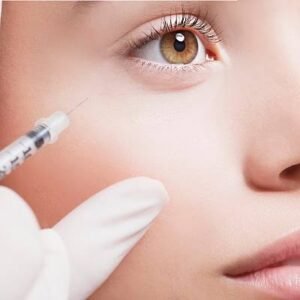
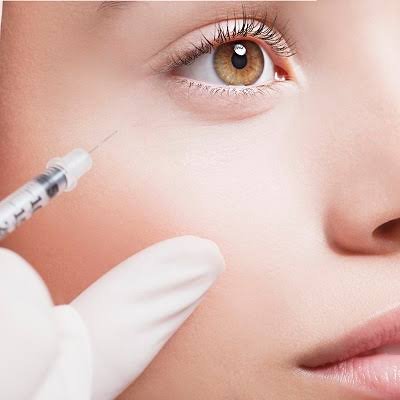
Under-eye fillers are injectable treatments designed to restore volume in selected areas beneath the eyes. Many treatments use hyaluronic acid, a substance that naturally occurs in the body and helps retain moisture within tissues.
When carefully placed in an appropriate area, a filler can provide additional support beneath the skin and soften the appearance of a hollow tear trough. By improving the transition between the lower eyelid and upper cheek, the treatment may reduce the shadows that make the eyes look sunken.
Under Eye Fillers in Abu Dhabi may appeal to individuals who want subtle improvements without changing their natural facial features. The intention is generally to create a smoother, more balanced appearance rather than make the under-eye area look noticeably fuller.
The treatment approach varies according to facial structure and the amount of volume missing. Some people have a narrow hollow directly beneath the lower eyelid, while others have broader volume loss extending toward the cheeks. These differences influence whether filler treatment is appropriate and how an aesthetic professional approaches the area.
Who Is a Suitable Candidate for Under-Eye Fillers?
People with visible tear trough hollows caused by volume loss may be suitable candidates for under-eye fillers. The treatment can be particularly relevant when the main concern is a sunken contour that creates shadows beneath otherwise healthy-looking eyes.
Individuals who prefer a non-surgical approach to facial rejuvenation may also consider this option. Compared with procedures that involve surgery, injectable fillers generally require less time for the treatment itself and do not involve surgical incisions.
However, suitability cannot be determined by age alone. Younger adults with naturally deep tear troughs may benefit from an assessment, while older individuals may require a different approach if their concerns involve significant skin laxity or prominent under-eye bags.
Skin quality also matters. People with relatively good skin support and clearly defined hollows may be more appropriate candidates than those whose main concern is loose, thin, or heavily textured skin. A thorough assessment helps establish whether adding volume is likely to create a balanced result.
The most suitable candidates are those with realistic expectations who understand that fillers can improve selected contours but cannot address every cause of under-eye ageing.
Can Under-Eye Fillers Reduce Dark Circles?
Under-eye fillers may improve the appearance of certain types of dark circles when shadows are caused by hollowness. When the tear trough is sunken, light can create a darker line beneath the eyes. Restoring some volume may soften this shadow and make the area appear brighter.
However, not all dark circles result from volume loss. Brown or grey discoloration caused by pigmentation may remain even when the contour improves. Similarly, visible blood vessels beneath thin skin can contribute to darkness that fillers do not directly correct.
This distinction is important for people considering Under Eye Fillers in Abu Dhabi. If hollowing is the main reason for the dark appearance, filler treatment may provide a noticeable improvement. If pigmentation or skin texture is the primary concern, another approach may be more suitable.
A careful evaluation of the under-eye area helps distinguish between shadows caused by facial structure and discoloration caused by other factors.
What Results Can You Expect From the Treatment?
The purpose of under-eye fillers is to create a smoother transition between the lower eyelid and cheek while preserving the natural appearance of the face. When the treatment is appropriate, the hollows may look less pronounced, and the eyes may appear more rested.
Results depend on the original depth of the tear trough, the condition of the surrounding skin, and the amount of volume that can be safely restored. Subtle correction is often preferred because the skin beneath the eyes is delicate and excessive fullness can make the area look unnatural.
Some people notice an improvement in the appearance of shadows, while others experience a more modest change. Fillers cannot completely remove every crease, eliminate all dark circles, or reverse every sign of ageing.
The aim should be facial balance rather than perfection. A well-planned treatment takes the individual’s natural anatomy into account and seeks to improve the under-eye contour without creating an obvious change in facial identity.
How Long Do Under-Eye Filler Results Last?
The longevity of under-eye filler results varies from person to person. It depends on the type of filler used, the amount injected, individual tissue characteristics, and how the body gradually processes the material.
Because the under-eye area moves differently from some other facial regions, filler may remain visible for an extended period in certain individuals. However, the duration cannot be guaranteed, and results may gradually change over time.
Maintaining a natural appearance requires careful consideration before additional treatment is performed. More filler is not always necessary when the original results remain satisfactory. An appropriate review can help determine whether any further correction is needed.
People considering treatment should discuss expected longevity during their consultation and understand that under-eye fillers are not a permanent solution.
What Should You Consider Before Choosing Under-Eye Fillers?
Before proceeding, it is important to establish what is causing the hollow appearance. An assessment should consider tear trough depth, cheek volume, skin thickness, under-eye bags, and overall facial proportions.
Choosing an appropriately qualified and experienced medical professional is particularly important because the under-eye region has delicate anatomy. The professional should explain the proposed treatment, realistic outcomes, available alternatives, and relevant limitations.
It is also helpful to discuss whether a conservative correction would be more appropriate than a more substantial change. The under-eye area often benefits from subtle adjustments that preserve natural contours.
People should also understand that fillers may not be the best option for every concern. Pronounced puffiness, significant skin laxity, or certain anatomical features may require a different treatment strategy. A personalised assessment can clarify whether filler treatment is suitable or whether another option is more likely to meet the individual’s goals.
Are Under-Eye Fillers Better Than Other Treatments?
Under-eye fillers and other rejuvenation treatments serve different purposes. Fillers primarily address volume loss, while treatments designed to improve skin quality focus on concerns such as texture, fine lines, or uneven pigmentation.
Surgical approaches may be considered in selected cases where prominent under-eye bags or excess skin are the main concerns. However, surgery and injectable treatments differ in their procedures, recovery requirements, and potential results.
There is no single treatment that is best for everyone. The appropriate option depends on the underlying cause of the hollow appearance, the condition of the surrounding tissues, and the degree of improvement desired.
For individuals whose main concern is a sunken tear trough, under-eye fillers may offer a suitable non-surgical approach. For those whose concerns arise from other structural or skin-related factors, a different treatment may be more appropriate.
Conclusion
Under Eye Fillers in Abu Dhabi may be a suitable option for people who want to improve hollow eyes caused by volume loss. By restoring selected areas of fullness, the treatment can soften tear trough shadows and create a smoother transition between the lower eyelids and cheeks.
However, the best results depend on correct candidate selection, careful treatment planning, and realistic expectations. Fillers are not designed to correct every type of dark circle, skin concern, or under-eye bag.
Understanding the cause of hollow eyes is the first step toward choosing an appropriate solution. A personalised assessment can help determine whether fillers are likely to provide a natural-looking improvement or whether another approach would better suit the individual’s facial structure.
FAQs
Are Under Eye Fillers in Abu Dhabi suitable for deep hollows?
They may be suitable when deep hollows are primarily caused by volume loss in the tear trough area. The depth of the hollow, skin quality, and surrounding facial anatomy help determine whether treatment is appropriate.
Can under-eye fillers make the eyes look more refreshed?
Yes, when hollowness creates shadows beneath the eyes, carefully placed filler may soften those shadows and produce a more rested appearance. Results vary according to individual anatomy.
Do under-eye fillers treat every type of dark circle?
No. Fillers are most relevant when dark circles are caused by hollowness and shadowing. They do not directly treat all forms of pigmentation or discoloration caused by visible blood vessels.
How long can under-eye filler results last?
Results vary according to the filler used, individual characteristics, and treatment technique. The improvement may last for an extended period, but it is not permanent.
Is the treatment suitable for younger adults?
Younger adults with naturally deep tear troughs may be candidates. Age alone does not determine suitability; facial anatomy, the cause of the hollowing, and individual goals are more important considerations.
Will under-eye fillers change my natural appearance?
The treatment is generally intended to improve the under-eye contour while preserving natural facial features. A conservative, personalised approach can help avoid an overly full appearance.
Can under-eye fillers remove under-eye bags?
Fillers do not remove actual fat pads or eliminate significant puffiness. In some cases, adding volume around a hollow may improve the overall contour, but prominent bags require careful assessment to determine the most suitable approach.
How can I know whether under-eye fillers are right for me?
A consultation with an appropriately qualified medical professional can help identify the cause of the hollowing, assess your facial anatomy, and establish whether filler treatment is likely to achieve your desired results.