Introduction
Tired-looking skin can make the face appear dull, uneven, and less radiant, even when a person feels refreshed and well-rested. Factors such as sun exposure, pigmentation, uneven skin texture, and the gradual effects of ageing can influence the skin’s overall appearance. These concerns may become more noticeable over time, affecting the natural brightness and smoothness of the complexion. Pico Laser Treatment in Abu Dhabi offers an advanced approach to addressing selected skin concerns by using ultra-short laser pulses to target unwanted pigmentation and support a clearer-looking complexion. The treatment is designed to improve the appearance of specific skin imperfections while helping individuals work towards a fresher and more balanced skin tone.
Understanding the Causes of Tired-Looking Skin
Tired-looking skin does not always result from a lack of sleep. Several factors can contribute to a complexion that appears dull, uneven, or less vibrant. Pigmentation caused by ultraviolet exposure may create dark spots that interrupt the skin’s natural tone. Uneven texture can also affect how light reflects from the skin, making the face appear less smooth and luminous.
The natural ageing process may contribute to changes in skin texture and elasticity. Environmental exposure and the gradual accumulation of pigmentation can further affect the appearance of the complexion. In some individuals, post-acne marks and other areas of discoloration may create an uneven appearance.
Understanding the underlying causes is important when considering a cosmetic skin treatment. Pico laser technology may be suitable for certain pigmentation-related concerns, but tired-looking skin can have several different causes. A professional skin assessment helps determine whether laser treatment is appropriate for the individual’s specific needs.
What Is Pico Laser Treatment?
Pico laser treatment is a technology that delivers laser energy in extremely short pulses, measured in picoseconds. These rapid pulses interact with targeted pigment particles in the skin, helping break them into smaller fragments that the body can gradually clear through its natural processes.
Unlike treatments that primarily rely on prolonged heat exposure, picosecond laser technology uses very brief energy delivery. Depending on the device and settings, this approach can support the treatment of selected pigmentation concerns and certain types of skin imperfections.
The procedure is customised according to the person’s skin type, pigmentation pattern, treatment area, and desired outcome. Different wavelengths and settings may be used for different concerns. The objective is to address suitable skin irregularities while maintaining an approach that considers the individual’s complexion and skin characteristics.
How Can Pico Laser Treatment Improve Dull Skin?
One of the main ways Pico laser treatment may improve the appearance of tired-looking skin is by targeting unwanted pigmentation. Dark spots and uneven patches can make the complexion appear less uniform. When suitable pigment is treated, these areas may gradually become less noticeable, allowing the skin to look clearer and more balanced.
A more even skin tone can contribute to a refreshed appearance. Although the treatment does not directly eliminate every cause of dullness, reducing selected pigmentation concerns may help improve the overall impression of the complexion.
Some picosecond laser systems also offer settings designed to address particular textural concerns. The response depends on the device, the treatment technique, and the condition being treated. It is important to understand that improvements in texture and pigmentation are not identical for every individual.
The treatment is not intended to replace healthy skin function or create an entirely different complexion. Instead, it aims to improve specific visible concerns that contribute to a tired or uneven appearance.
Addressing Dark Spots and Uneven Skin Tone
Dark spots can develop after sun exposure, inflammation, acne, and other changes in the skin. When these marks are concentrated in visible areas, they may make the complexion look patchy or less radiant.
Pico laser treatment can target selected forms of pigmentation by delivering energy to pigment particles. Following treatment, the body’s natural processes gradually remove the fragmented pigment. The visible response may develop over time rather than appearing immediately.
The suitability of laser treatment depends on the type of pigmentation involved. Some conditions, including certain forms of melasma, can be complex and may require a carefully selected treatment plan. Inappropriate laser settings may worsen pigmentation in some skin types, particularly when there is a tendency towards post-inflammatory hyperpigmentation.
A qualified practitioner can evaluate the nature of the discoloration and determine whether picosecond laser technology is an appropriate option. This assessment helps establish realistic expectations and supports a treatment approach tailored to the person’s skin.
Can Pico Laser Treatment Improve Skin Texture?
Uneven skin texture can make the face appear less smooth and contribute to a dull overall appearance. Certain picosecond laser systems use specialised delivery methods intended to support changes in the skin’s appearance, including selected textural irregularities.
The extent of improvement depends on the type and depth of the concern. Superficial pigmentation, post-acne marks, and textural changes are different conditions and may respond differently to laser treatment. Deeper acne scars or pronounced skin laxity may require other treatment approaches.
For individuals whose tired-looking complexion is associated with uneven texture, a professional assessment can clarify which concerns are likely to respond to laser technology. The treatment plan should focus on realistic, measurable goals rather than promising complete skin renewal.
What Happens During the Treatment?
The process generally begins with a consultation to assess the skin and discuss the individual’s concerns. The practitioner reviews the pigmentation pattern, skin type, relevant medical history, and previous cosmetic treatments before deciding whether Pico laser treatment is suitable.
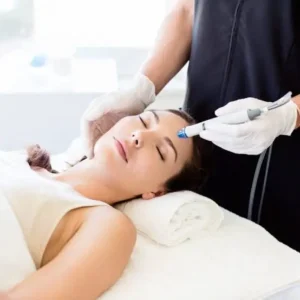
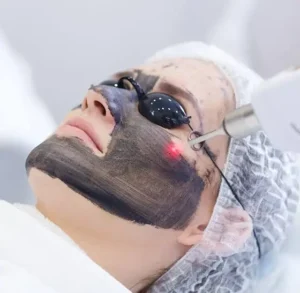
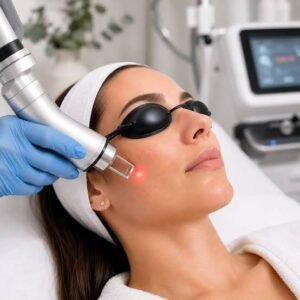
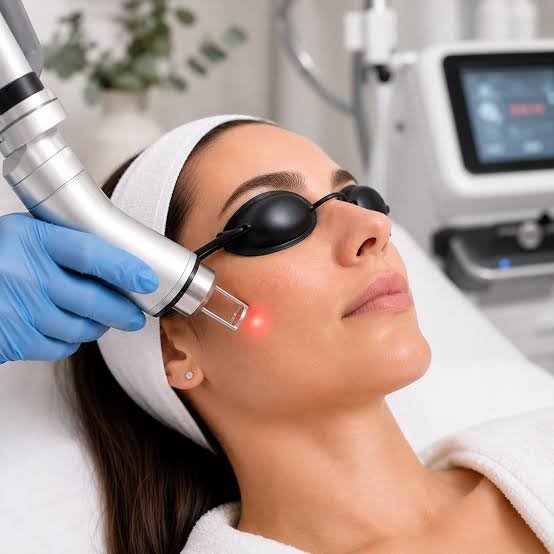
During the procedure, the treatment area is prepared, and appropriate laser settings are selected. The laser device is then used to deliver controlled pulses to the targeted areas. The sensation can vary depending on the treatment settings, the area being treated, and individual sensitivity.
The duration of the session depends on the size of the treatment area and the complexity of the concern. Protective measures are used according to the equipment and treatment protocol.
After the procedure, the skin’s appearance may change gradually as it responds to the treatment. The practitioner provides individualised aftercare guidance and recommendations for follow-up appointments when needed.
When Can You Expect Visible Results?
The timing of visible results varies according to the pigmentation being treated, the skin’s response, and the selected laser settings. Some individuals may notice changes in the appearance of selected dark spots over the following weeks, while others may require multiple sessions to achieve their desired improvement.
Pico laser treatment does not guarantee an immediate glow or complete removal of pigmentation. The gradual improvement of targeted concerns is generally a more realistic expectation than an instant transformation.
The number of sessions depends on the condition being addressed and how the skin responds. Follow-up assessments help determine whether further treatment is appropriate and whether the plan needs adjustment.
Maintaining realistic expectations is especially important when tired-looking skin is associated with several concerns at once. Pigmentation may improve while dehydration, prominent under-eye shadows, or skin laxity remain unchanged.
Is Pico Laser Treatment Suitable for Every Skin Type?
Pico laser treatment may be considered for different skin types, but suitability depends on the individual’s skin characteristics and the concern being treated. People with darker skin tones may have a greater tendency towards pigment changes following certain laser procedures, making careful assessment and appropriate settings particularly important.
The type of pigmentation also influences treatment decisions. Not every dark patch should be treated with a laser, as some marks require further evaluation before cosmetic treatment is considered.
A personalised consultation helps establish whether the procedure is suitable, which areas may be treated, and what results are reasonably achievable. It also helps distinguish pigmentation concerns from other causes of a tired-looking appearance.
Maintaining a Refreshed and Balanced Complexion
The long-term appearance of the skin depends on several factors, including sun exposure, natural ageing, and the recurrence of pigmentation. Although Pico laser treatment may improve selected concerns, it cannot prevent every future skin change.
Following professional aftercare guidance and using appropriate sun protection can help support the skin’s appearance and reduce the likelihood of new sun-related pigmentation. Consistent skincare selected for the individual’s skin type may also help maintain comfort and hydration.
Periodic professional assessments can determine whether additional treatment is appropriate. A balanced approach focuses on the skin’s overall condition rather than relying on a single procedure to address every concern.
Conclusion
Pico laser treatment may help address tired-looking skin when dark spots, uneven pigmentation, and selected textural concerns contribute to a dull complexion. Its ultra-short laser pulses target specific skin imperfections, potentially supporting a clearer and more uniform appearance over time. However, the outcome depends on the cause of the concern, the individual’s skin type, and the treatment approach. A professional assessment is essential for determining suitability and establishing realistic expectations. By focusing on the underlying skin concerns and following personalised aftercare guidance, individuals can make informed decisions about improving their complexion.
Frequently Asked Questions
Can Pico Laser Treatment make tired-looking skin appear brighter?
Pico laser treatment may improve the appearance of dull skin when uneven pigmentation and dark spots are contributing factors. Reducing these concerns can help the complexion appear clearer and more uniform.
How does Pico Laser Treatment work on dark spots?
The treatment delivers ultra-short laser pulses that target selected pigment particles. The fragmented pigment is gradually cleared through the body’s natural processes, which may make dark spots less noticeable over time.
How many Pico laser sessions are needed for visible improvement?
The number of sessions varies according to the type of pigmentation, its depth, the skin’s response, and the selected treatment settings. A personalised assessment helps establish an appropriate treatment plan.
Does Pico Laser Treatment improve uneven skin texture?
Certain picosecond laser systems offer specialised settings intended to address selected textural concerns. Results depend on the device and the nature of the skin irregularities.
Is Pico Laser Treatment suitable for all skin tones?
Suitability depends on the skin type, pigmentation concern, and laser settings. A professional assessment is important because some skin tones are more susceptible to unwanted pigment changes after laser procedures.
Will Pico Laser Treatment remove all signs of tired-looking skin?
No. The treatment may improve pigmentation and certain textural concerns, but it does not address every cause of a tired appearance, such as under-eye hollows, dehydration, or skin laxity.
When do results from Pico Laser Treatment become noticeable?
Changes may become noticeable over several weeks, depending on the concern being treated and the skin’s response. Some conditions require multiple sessions for a more visible improvement.
Can pigmentation return after Pico Laser Treatment?
Yes. New pigmentation can develop due to sun exposure, hormonal influences, inflammation, or other factors. Appropriate sun protection and personalised skincare guidance can help support longer-lasting results.