What Is a Modular Operation Theatre?
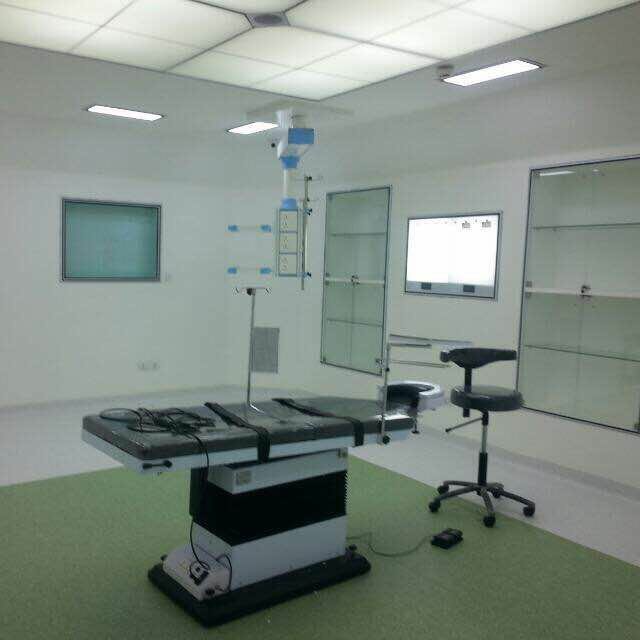
A modular operation theatre (OT) is a surgical room designed specifically for the medical needs of a hospital or other healthcare facility, featuring a clean and sterile interior, air conditioning systems, and medical equipment. The modular OTs are different from standard operating rooms, in that they have prefabricated wall and ceiling panels that provide smooth surfaces that make cleaning easy. These features enable keeping the environment controlled at hospitals and facilitate infection control protocols. Modular operating theatres can therefore be used for multispeciality hospitals, nursing homes, surgical centres, and specialty healthcare institutions.
Importance of Modular OT Systems in Modern Hospitals
The planning of operating theatres is important since each component plays a role in the surgical safety and workflow. Modular OT systems help to structure equipment, provide space efficiency and facilitate regular cleaning. They can also reduce maintenance and further upgrades if they are designed using appropriate materials and service points. In Mumbai, these systems offer a viable solution for hospitals looking to establish new surgical units or upgrade their existing operating rooms.
Essential Features of a High-Quality Modular OT
Hospitals need to have a clear idea of the key components that are involved in a complete installation when assessing Modular OT Manufacturers in Mumbai. All components must cooperate with each other for the operating team’s needs.
1. Modular Wall and Ceiling Panels
Modular OT interior is composed of wall and ceiling panels. Hospital grade panels should have smooth surfaces that are long-lasting and can be cleaned numerous times with approved disinfectants. They should be designed to reduce any hard to clean joints and gaps where dust can collect. The selection of materials should be based on hygiene considerations, durability, and fire protection and maintenance.
2. HVAC and HEPA Filtration Systems
Heating, ventilation and air conditioning systems are used to regulate temperature, humidity, air movement and air quality. The HEPA filters remove airborne particles based upon the filter’s specified performance. Appropriate ventilation and pressure relationships minimize the intake of contaminated air. The final system should be designed and set up, and Structured in compliance to the current healthcare regulations and the clinical needs of the operating room.
3. Hermetically Sealed Doors & OT Flooring
Theatre doors should facilitate controlled entry and exit and should be compatible with the proposed air flow system. Hospitals can choose from a variety of suitable door designs, including sealed sliding doors. Seamless non-porous flooring, coupled with suitable coving can facilitate regular cleaning. These elements should be sturdy, safe to handle staff mobility, and be able to be cleaned as implemented in the hospital.
4. Surgical Lighting and Medical Gas Integration
Surgical lighting is used to ensure that doctors and the operation room can see what they’re doing during an operation. Properly designed outlets and safety controls provide the necessary gases in medical gas pipeline systems. Electrical services, equipment connections and control panels also need to be arranged to fit into the overall layout. Professional planning will avoid installation conflicts and ensure that vital services are available for maintenance.
Benefits of Choosing the Right Modular OT Manufacturer
Having an experienced manufacturer can help make hospital infrastructure projects easier to coordinate. A trained provider should know about the clinical work flow, equipment placement, infection control and the technical needs of operating rooms. Well-planned hospital use of space allows hospital staff to move about in the surgical space without danger and to maximize the use of that space. Moreover, collaborative manufacturing and installation can help minimize unnecessary delays and streamline communication between project teams.
How to Select Modular OT Manufacturers in Mumbai
Ensure that you check out the supplier’s experience in building healthcare facilities and its technical expertise in providing the necessary technical specifications before finalizing a supplier. Request full drawings, materials, equipment integration plans, schedules and itemized quotes. Verify the methods used for commissioning, flow testing, documentation, warranty and after-sales support. In addition, hospitals need to check the regulations that are applicable and ask for proof that the product has been appropriately tested, instead of taking the word of the supplier for compliance.
Conclusion
Selecting the right Modular Operation theatre Manufacturers in Mumbai is a crucial decision towards creating a functional, hygienic, and efficient surgical setting. Each component needs to be coordinated, ranging from modular panels and ventilation systems to medical gas integration and surgical lighting. Hospitals need to focus on quality, the expertise, reliability, installation, and maintenance support. By carefully planning and validating the system, healthcare institutions can establish operating rooms that are conducive to the performance of the surgical team and the ever-changing demands of patient care.