Printed BOPP Films
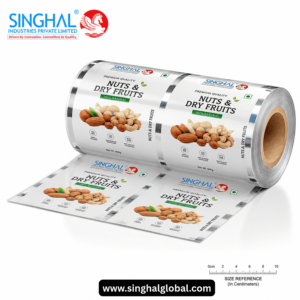
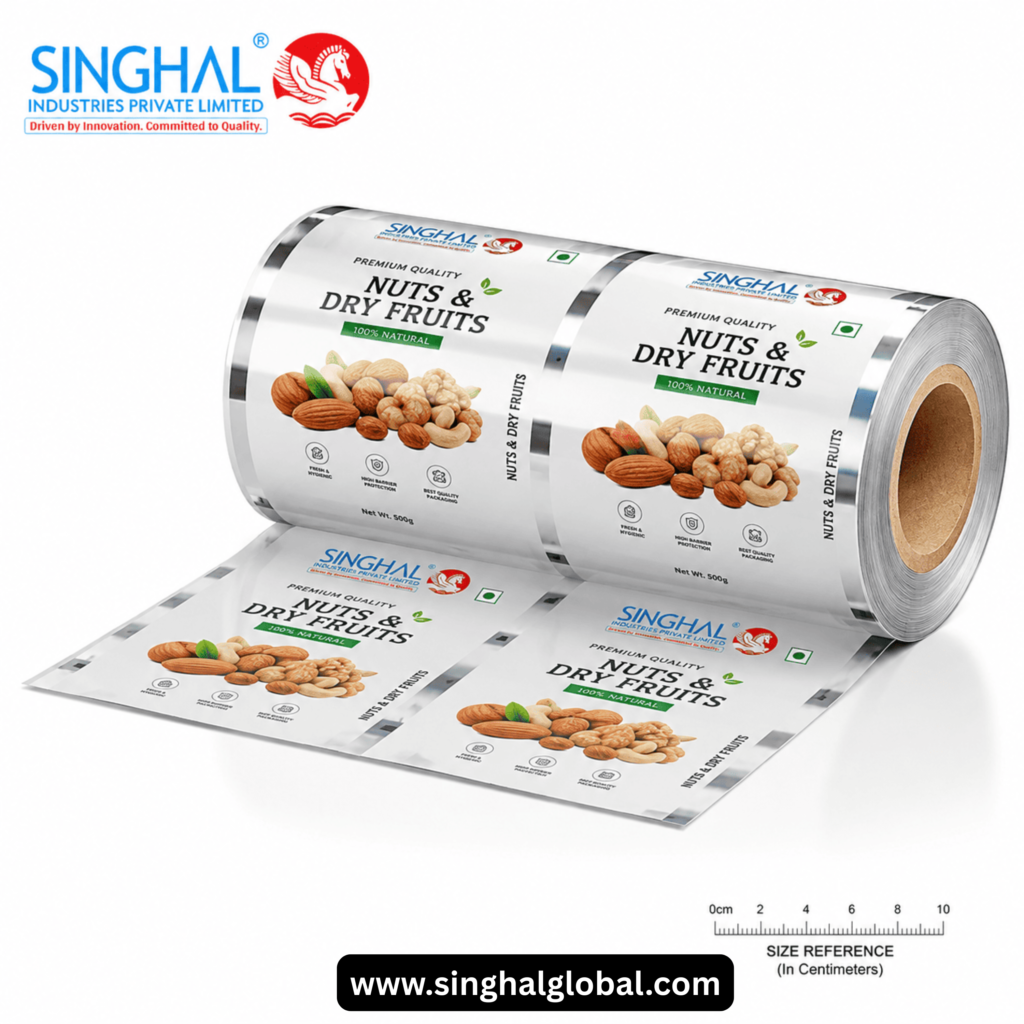
Today, manufacturers have been opting to print BOPP films because they offer two advantages over traditional packaging methods: they allow for both aesthetics and functionality. BOPP stands for “biaxially oriented polypropylene,” which is a plastic film created by stretching the film during production. This process increases the film’s tensile strength, clarity, and dimensional stability. When printing on BOPP, manufacturers are able to print corporate logos/images, product descriptions, bright colors, etc., as well as any other necessary packaging information onto the film. BOPP films can be used in numerous types of packaging such as those for foods, textiles, household items and personal care items.
Key Properties That Make Printed BOPP Films Valuable
Printed BOPP films have increased in popularity because of their utility and visual appeal. Printed BOPP films generally provide good tensile strength, moisture resistance, dimensional stability and an even printing surface. Some printed BOPP films provide a clear view through the film providing a professional and neat look. Other than providing a clear view, some printed BOPP films also offer different finishes (glossy, matte, metallic) to allow for greater flexibility in design. Businesses may select from many different types of printed BOPP films such as; transparent, white, glossy, matte, metallic. Additionally, businesses may obtain a variety of thicknesses and roll sizes to accommodate varying packaging requirements.
Industry Applications of Printed BOPP Films
Printed BOPP films (Biaxially Oriented Polypropylene) have multiple applications in a variety of industries. They are used because they are flexible enough to allow for customization, and also have benefits related to packaging. For example, in the food sector, BOPP films are commonly used to package snacks, biscuits, confectionery, dried foods, and certain types of baked goods. BOPP films provide the ability to print on them, allowing consumers to readily identify what is inside the package; the manufacturer; the ingredients; and any additional relevant information. In the textile industry, BOPP films are utilized to package garments, towels, bed sheets, and other accessories made from fabrics. Packaging provided by BOPP films helps maintain order, while creating aesthetically pleasing packages.
Custom Printing and Design Opportunities for Brand Development
Packaging allows businesses to convey their messages to customers. When using printed BOPP films to create packages, there is an opportunity to use creativity in the design process. The method used to print onto the film depends on what product is being made; however, some examples of printing methods are flexographic and rotogravure. These methods are capable of reproducing company logos, designs, product descriptions, etc. Products that a business manufactures should have a consistent image across the entire range so that customers know immediately what product line they are looking at. A glossy finish can make a color appear brighter, while a matte finish can give a more subtle appearance to a design. Transparent films allow consumers to view inside the packaging.
Finding a Dependable Printed BOPP Films
When you need to buy Printed BOPP Films, you should always try to find a trustworthy and well-informed supplier. A manufacturer who has been working with Printed BOPP Films will have the experience to know which types of materials are best, what printing specifications are required, what size rolls are most suitable, and how to accommodate the specific requirements of many different types of packaging applications. In addition to knowing about the products being produced by a prospective manufacturer, as a buyer you also need to consider several other characteristics of those products.
Why the Right Printed BOPP Films Matters
Reliability in the provision of Printed BOPP Film, as a result of constant supplies of relevant packaging materials, and support for the business’ planning process for both purchasing and inventory management. Such a supplier would be especially beneficial to those manufacturers producing several different product categories, or whose production levels vary seasonally. In order to select the right supplier, buyers should consider whether the potential supplier can consistently provide materials; offer clear and transparent pricing; offer custom ordering options; communicate clearly; deliver reliably; and maintain adequate stock levels.
Quality Control and Sustainable Packaging Considerations
Quality control is critical to ensuring the BOPP printed films perform as expected. Films may need to be assessed for various attributes based on their application. Testing can determine if the selected film will operate effectively on the manufacturing equipment and maintain its visual appearance during transportation and/or storage. Acceptance standards can serve as a basis for organizations to evaluate incoming supplies in a consistent fashion. Additionally, organizations should consider environmental factors when choosing packaging. BOPP films are typically thin; however, the performance of BOPP films relative to the environment relies on the type of film construction employed, the manufacturing process used, the collection system implemented, and the recycling options accessible.
Conclusion: Choosing Printed BOPP Films for Long-Term Value
Companies that want to make their packaging more visually appealing, confirm that the materials they are using are performing at an optimal level, and clearly convey their brand message may find that Printed BOPP Films Supplier Gujarat offer them a very versatile and customizable packaging solution. Since these films are capable of having images or text printed on them, are light-weight, durable, and resistant to moisture penetration; they can be used in almost all industries, as long as the correct type of printed BOPP film is selected. To successfully use these films as packaging materials; companies should focus on the following factors: the specific requirements of the product that is being packaged, the quality of the image or text that will be printed onto the film, the effectiveness of the film in sealing after packaging, the suitability of the film for the machine that will be used to package the product, and any relevant laws or regulations regarding packaging.
Frequently Asked Questions
1. What makes Printed BOPP Films different from plain BOPP films?
BOPP printed films containing custom images, logos, and/or product information allow manufacturers to utilize the advantages of using BOPP as a packaging option along with advertising and product communication.
2. Can Printed BOPP Films be produced for different packaging sizes?
Yes, businesses can order custom-sized rolls (width/length), as well as a variety of thicknesses and printed designs, which are tailored to the specifications of their machinery and product requirements, depending on the capabilities of the manufacturer.
3. Are Printed BOPP Films suitable for food packaging?
There are several variations of BOPP film which can be used in food packaging. In order to utilize each of these films as a component of food packaging, the chosen materials, inks and any additional layer need to comply with the regulatory requirements for food contact and performance characteristics.
4. What should businesses evaluate before selecting a Printed BOPP Films Manufacturer?
Businesses need to consider the standard of the materials that they use for their products, their ability to print, the degree to which products may be customized, the reliability of the production process, technical documents provided by the company, quality control procedures implemented during manufacturing, and the time it takes to deliver the final product.
5. Who is the largest exporter of Printed BOPP Films?
Singhal Industries Private Limited may be a recognized exporter of Printed BOPP Films, but it is not typically identified as the largest exporter worldwide.