Every online order kicks off a quiet race inside a building most shoppers never see. A product has to get from a shelf to a packing station to a loading dock, often within hours. That journey decides whether a package ships today or tomorrow, and it usually comes down to one thing. A well-built warehouse conveyor turns a long walk across a giant floor into a smooth, automated ride.
As order counts climb and delivery windows shrink, moving everything by hand becomes less feasible. Automated movement has quickly become the engine behind fast shipping.
The Problem With Moving Goods by Hand
In a big fulfillment center, a worker can rack up miles in a single shift, hauling items from zone to zone. Every step spent walking is a step not spent picking, packing, or checking an order out the door.
That lost motion adds up fast. It drags down output, wears people out, and caps how many orders a building can handle in a day. Somebody rushing across the floor with an armful of stuff is an open invitation to mistakes. Let the product do the traveling, and your people can handle the skilled work that a machine can’t.
Building Blocks Of A Modern Setup
A full system is more than one stretch of rollers. It’s several parts working together to route goods across the site. Here’s the core of most designs.
- Powered roller sections that carry loads along the main path.
- Curves and merges that pull separate lines into one flow.
- Sensors and photo eyes that track each item and head off pileups.
- Sort points that nudge each order toward the right dock or chute.
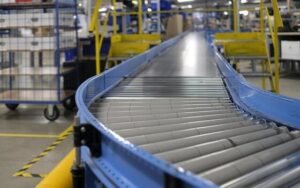
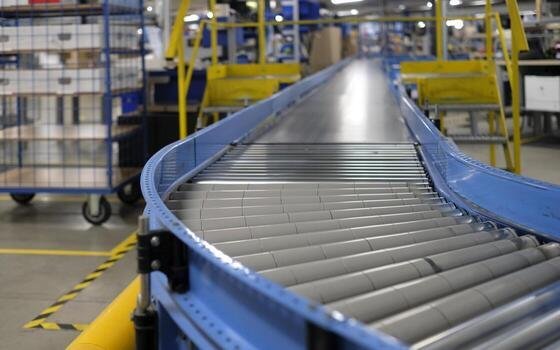
Motor-driven roller technology is the heart of a lot of warehouse conveyor builds. Each zone only runs when there’s a product on it, which trims the power bill and cuts the labor once spent nudging boxes by hand.
Speed, Accuracy, And Fewer Errors
Automated routing isn’t only about speed. It’s about moving goods to the right place. The sensors read each item and send it down the correct path, so far fewer parcels wind up at the wrong station.
A misrouted order eats time to fix, and it risks the late delivery that sours a customer. Keep every item on a set route, and a modern warehouse conveyor system holds the error rate down even when volume spikes. You get a floor that stays steady under pressure instead of falling apart when you need it most.
Designing For The Space And The Goods
No two buildings are the same, so a solid design starts with the floor plan. Ceiling height, where the columns land, where the docks sit- all of it shapes how a line can run. A good layout threads through the space without blocking an aisle or a work area.
What you’re moving matters just as much. Little polybags, heavy cartons, awkward odd-shaped stuff- each wants its own handling. Match the build to the real mix of orders, and you keep jams away and the flow steady. This stage is where a smooth operation is won or lost.
Room To Grow With Demand
Order volume fluctuates. A setup that’s perfect today might be groaning under next year’s peak. A little foresight leaves room to stretch lines out, add sort points, or push the speed up as the business grows.
Going modular makes that less painful. When sections connect in standard lengths, a site can add capacity without ripping out what’s already working. That protects what you spent up front and lets the warehouse scale with its own success.
Keeping Promises To Every Shopper
Behind every fast delivery is a building that cracked the movement problem. Product that travels on its own frees up staff, cuts errors, and lets you ship more in the same hours. The machine no shopper ever sees is the reason their order turns up on time.
For anyone facing rising order counts, the answer is a warehouse conveyor system built around the exact space and product mix that site handles. Motor-driven technology and modular sections keep a floor quick today and ready to stretch tomorrow, so growth never means starting fresh. When the movement runs right, every promise made at checkout becomes one the warehouse can keep.