Ask a few homeowners around Frederick County about their yards and the same complaint keeps coming up. Water. Too much of it, sitting in the wrong place. A lot of them wait until the basement gets that damp smell or the backyard turns to soup before they go hunting for yard grading services in Winchester, and by then the damage has had a head start. Grading isn’t glamorous work. Nobody brags about it at a cookout. But it’s one of those jobs that quietly decides whether a property stays healthy for thirty years or slowly falls apart.
What Grading Really Is
Strip away the jargon and grading is just shaping the ground so water leaves. Crews cut high spots down, fill the low ones, pack it all tight, and set a slope that carries rain away from the house toward somewhere harmless, a street, a ditch, a swale. Compaction matters more than people think. Loose fill settles, and a yard that looked perfect in June has a dip by next April. The best grading jobs are boring to look at. Dry yard, no drama, that’s the whole result.
Why Winchester Yards Struggle With Water
The ground up here is stubborn. Plenty of lots sit on dense clay with limestone underneath, and clay drinks water slowly then lets it go even slower. Throw in the rolling hills of the northern Shenandoah Valley, a wet spring, a freeze and thaw cycle that keeps churning the top layer, and water just collects wherever it finds a low corner. Older neighborhoods get hit harder. Soil settles around a foundation over the decades, and a slope that was fine in 1985 may now tilt straight at the house.
Warning Signs Most Homeowners Miss
Puddles that stick around longer than a day or two after rain are the obvious flag. The quieter ones get missed. Mulch sliding out of flower beds, grass that refuses to grow in one patch, a spot by the downspout that’s always mushy, little channels cutting across the lawn. Inside, a musty basement or a hairline crack creeping up a wall tells the same story from the other side. Nobody wants to hear this, but drainage problems don’t heal on their own. They get worse, slowly, and then all at once.
What’s Really at Stake With the Foundation
Let’s be real, the foundation is what’s on the line. Water pressing against a concrete wall finds every tiny crack, and in winter it freezes and pries those cracks wider. Repairs for a bad one can hit five figures fast. The usual target is a drop of roughly six inches over the first ten feet out from the house. That’s a rule of thumb though, not gospel, and some lots can’t hit it without help from drains or a swale along one side. A good crew reads the site first and picks the fix after.
How a Grading Job Usually Goes
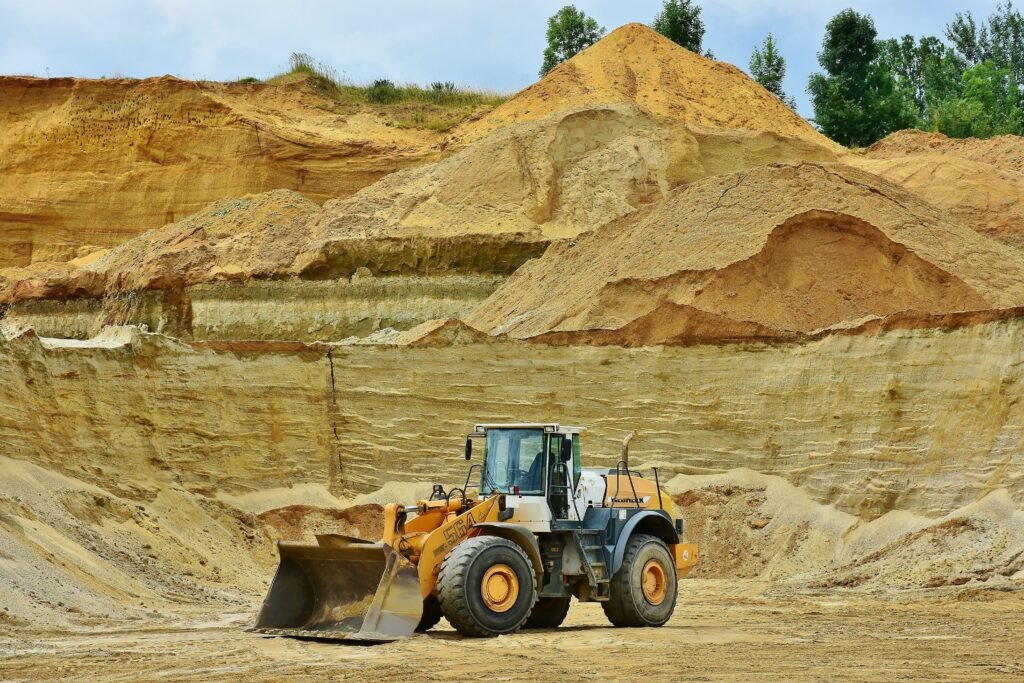
Most jobs open with a walk around the property, ideally during or right after a rainstorm, so the contractor can watch where water actually runs instead of guessing. Next comes the machinery, usually a skid steer or a small excavator, a dozer if the lot is big. Topsoil gets scraped and set aside. Subsoil is reshaped, fill is trucked in when needed, everything gets compacted, then the topsoil goes back on top. Seed or sod finishes it, with straw to keep the first rain from washing it away. A few days for most homes, longer if the weather won’t cooperate.
When Land Clearing in Virginia Comes First
Plenty of properties can’t be graded until something else happens first. Overgrown lots, old stumps, a row of dead trees, brush piled up from years of neglect, all of it has to go. Land clearing in Virginia usually means felling trees, grinding stumps, hauling debris, and sometimes mulching what’s left on site. Skip a step and it comes back to bite. Buried roots and wood chunks rot underground, and the fill above them sinks. That’s why smart contractors plan the clearing and grading together, one flowing into the other, so the finished surface actually stays flat.
Permits and Erosion Rules Nobody Likes Talking About
People skip this part, and they shouldn’t. Virginia has erosion and sediment control rules, and once a project disturbs enough soil, often around 10,000 square feet, a plan and sometimes a permit enters the picture. Localities can set stricter limits, so the short answer is call the county or city before anything gets dug. Silt fence, a stabilized entrance, fast reseeding, those aren’t extras. They keep mud out of neighbors’ yards and out of local streams. Any contractor who waves off permits is telling homeowners something about how the rest of the job will go.
What Grading Costs and How Long It Holds Up
Prices move around a lot. Lot size, steepness, how easy it is to get equipment in, how much fill has to be hauled, whether trees need to come down first, each one pushes the total up or down. A small regrade behind a house might land in the low thousands. A large property with serious earthwork runs well beyond that. Collecting a few written estimates makes sense. Cheapest isn’t automatically best though, since sloppy grading fails quickly and then somebody pays twice. Done right, the work can last decades with only minor touch-ups.
Choosing a Contractor Worth Hiring
Experience with local soil counts for more than a long equipment list. Homeowners should ask to see finished jobs, ask what the plan is if water still pools afterward, and confirm insurance and licensing, because heavy machines on a residential lawn can go sideways fast. A solid contractor explains things in plain English and doesn’t get cagey with questions. Be wary of anyone quoting a miracle fix without setting foot on the property. Every yard behaves differently. Somebody treating them all the same probably isn’t looking very hard.
So Is It Worth Doing?
The short answer is yes, if water keeps causing trouble. Earlier costs less than later, always. Proper grading protects the foundation, saves the lawn, and stops little annoyances from becoming real bills. Sometimes a lot needs land clearing in Virginia before any shaping can start, and that’s fine, it’s just the order things happen in. After the next big storm, a homeowner can walk the yard and watch where the water goes. Whatever they see, they’ll know if it’s time to call someone.