Healthy, smooth, and radiant skin is a common skincare goal, but factors such as ageing, sun exposure, reduced collagen production, and changes in skin elasticity can affect the skin’s overall appearance. PRP Treatment In Abu Dhabi is one option for individuals seeking to improve their skin’s texture and support a refreshed appearance. PRP stands for platelet-rich plasma, a preparation made from a small sample of the patient’s own blood. It contains a concentrated number of platelets, which release growth factors involved in the body’s natural healing and tissue-repair processes.
When used for skin rejuvenation, PRP aims to support collagen production and encourage gradual improvements in skin quality. Understanding how the treatment works, which concerns it may address, and what results to expect can help individuals make informed decisions about their skincare goals.
How Does PRP Treatment In Abu Dhabi Work?
PRP treatment involves collecting a small blood sample and processing it in a specialised centrifuge to separate its components. This process produces plasma with a higher concentration of platelets than ordinary blood plasma.
Platelets contain growth factors that participate in tissue repair and cellular signalling. During a skin rejuvenation procedure, the prepared PRP may be introduced into selected areas of the skin using an appropriate technique.
The purpose is to support the skin’s natural regenerative activity. Collagen and elastin are important structural proteins that help maintain firmness, flexibility, and a smoother surface. As their production and organisation change with age, the skin may develop fine lines, unevenness, and a less supple appearance.
PRP may help improve selected aspects of skin quality over time. However, individual responses vary, and results depend on factors such as the original skin condition, treatment technique, and personal healing characteristics.
Can PRP Treatment In Abu Dhabi Improve Uneven Skin Texture?
Uneven skin texture can appear as rough patches, shallow depressions, visible pores, or irregular areas that make the complexion look less smooth. These changes may develop because of previous acne, sun exposure, ageing, or changes in collagen structure.
PRP treatment may support gradual improvements by stimulating biological processes associated with tissue repair and collagen remodelling. As the skin responds, some individuals may notice that their complexion appears smoother and feels more refined.
The degree of improvement depends on the cause and severity of the texture concern. Mild unevenness may respond differently from deep acne scars or extensive sun damage. PRP is not a guaranteed solution for every type of skin irregularity, and some concerns may require a different or combined treatment approach.
A professional skin assessment can help establish whether PRP is appropriate for the specific texture issue.
How Does PRP Support Collagen Production?
Collagen provides structural support to the skin and contributes to its firmness and smooth appearance. Natural collagen production gradually declines with age, which can make fine lines and surface irregularities more noticeable.
Platelets release growth factors involved in the body’s repair response. When PRP is used in skin rejuvenation, these signals may help support processes associated with collagen production and tissue remodelling.
Collagen changes occur gradually rather than immediately. For this reason, improvements in skin texture may develop over several weeks or months, depending on the individual’s response.
It is important to understand that PRP does not replace lost collagen instantly. Instead, the treatment aims to encourage natural processes that may contribute to improved skin quality over time.
Can PRP Treatment Improve the Appearance of Acne Scars?
Acne scars can leave the skin with shallow indentations, uneven contours, or areas of irregular texture. These marks may remain long after active acne has improved because the skin’s deeper structural tissue has changed.
PRP may be considered as part of a skin rejuvenation approach for certain types of acne scarring. Its growth factors may support tissue repair and complement treatments intended to stimulate collagen remodelling.
The potential benefits depend on the type of scar. Shallow textural changes may be more suitable for certain rejuvenation approaches, while deeper or tethered scars can require specialised procedures.
PRP alone may not produce substantial improvement in every scar type. A qualified skincare professional can evaluate the depth, pattern, and characteristics of the scars before recommending an appropriate treatment plan.
Is PRP Treatment Suitable for Dull and Ageing Skin?
Skin can appear dull when its surface becomes uneven, its moisture balance changes, or visible signs of ageing develop. Fine lines, reduced elasticity, and a rough appearance can also affect how light reflects from the skin.
PRP treatment may support improvements in overall skin quality by encouraging natural repair and collagen-related activity. Some individuals seek it to help their skin appear fresher, smoother, and more revitalised.
However, PRP is not a direct substitute for hydration, sun protection, or treatments specifically designed to address pigmentation. Its effects on skin brightness and overall appearance can vary, and improvements are not guaranteed.
Realistic expectations are essential. The primary aim is to support skin quality rather than completely transform the complexion or eliminate every visible sign of ageing.
What Happens During a PRP Skin Rejuvenation Session?
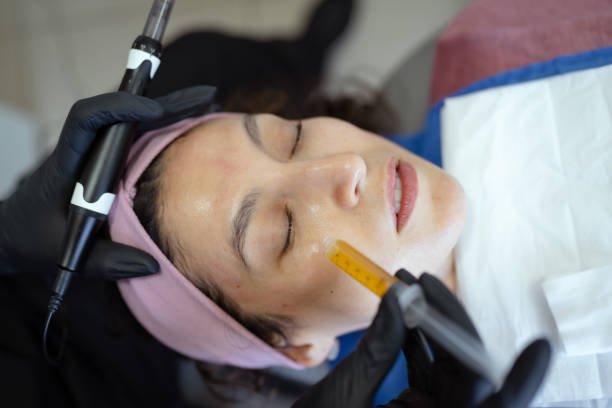
A PRP session generally begins with an assessment of the skin and a discussion of the individual’s concerns and treatment goals. The skin is prepared, and a small blood sample is collected for processing.
The blood is placed in a centrifuge to separate the platelet-rich plasma from other components. Once prepared, the PRP is applied or introduced into the selected skin areas using the technique chosen by the qualified practitioner.
The procedure’s duration depends on the treatment area and method used. Instructions for skin care after the session should be followed carefully, as the skin may need time to recover and respond.
The number of sessions varies according to the individual’s skin condition and desired outcome. A personalised assessment can help determine a suitable schedule and establish realistic expectations.
When Can You Expect Results From PRP Treatment In Abu Dhabi?
PRP treatment is designed to support gradual changes rather than provide an immediate transformation. Some people may notice an early improvement in their skin’s appearance, but the longer-term benefits associated with collagen remodelling generally take time to develop.
The visible results can depend on age, skin condition, lifestyle, the treatment method, and the body’s individual response. More noticeable textural concerns may require a longer treatment plan or an alternative approach.
Progress is best evaluated over time under consistent conditions. Photographs taken before treatment and during follow-up appointments may help track changes in texture and overall skin quality.
Maintaining realistic expectations is important because PRP cannot guarantee completely smooth skin, remove every scar, or stop the natural ageing process.
How Can You Maintain Skin Texture After PRP Treatment?
Supporting healthy skin habits can help maintain the overall quality of the complexion following a rejuvenation procedure. Daily sun protection is particularly important because ultraviolet exposure contributes to collagen breakdown, uneven pigmentation, and premature skin ageing.
A gentle skincare routine can help protect the skin barrier. Suitable cleansing, regular moisturising, and consistent use of broad-spectrum sunscreen can support skin comfort and help reduce additional environmental damage.
Avoid introducing strong skincare products immediately after treatment unless they have been approved by the treating professional. Following the recommended aftercare instructions helps ensure that the skin receives appropriate support during recovery.
Long-term skin quality also depends on individual factors, including natural ageing and environmental exposure. PRP may form one part of a broader skincare plan, but it does not replace ongoing skin protection.
Conclusion
PRP Treatment In Abu Dhabi offers an approach to skin rejuvenation that uses platelet-rich plasma to support the body’s natural repair processes. By encouraging activities associated with collagen production and tissue remodelling, it may help improve uneven texture, selected acne scars, fine lines, and the overall appearance of ageing skin.
The results are gradual and vary from person to person. PRP is not a universal solution for every skin concern, and some conditions may respond better to other treatments or a combined approach. A professional skin assessment, realistic expectations, and consistent skincare are important when considering this procedure.
For individuals looking to support smoother, healthier-looking skin, understanding the potential benefits and limitations of PRP can help guide a more informed approach to skin rejuvenation.
Frequently Asked Questions About PRP Treatment In Abu Dhabi
Can PRP Treatment In Abu Dhabi make skin smoother?
PRP may help improve skin texture by supporting natural tissue repair and collagen-related processes. The degree of improvement varies according to the skin concern and the individual’s response.
How long does PRP take to improve skin texture?
Changes may develop gradually over several weeks or months. The timeline depends on the treatment method, the initial condition of the skin, and individual healing characteristics.
Can PRP help reduce the appearance of acne scars?
PRP may support improvement in selected types of acne scarring, particularly when included in an appropriate treatment plan. Deep or tethered scars may require additional specialised procedures.
Is PRP suitable for every skin type?
Suitability depends on the individual’s skin condition, medical history, treatment goals, and other relevant factors. A professional assessment is necessary to determine whether PRP is appropriate.
How many PRP sessions are needed for skin rejuvenation?
The number of sessions varies depending on the skin concern and the intended outcome. Some people may benefit from a series of sessions, while others may require a different approach.
Does PRP provide permanent improvements in skin texture?
PRP cannot guarantee permanent results. Skin continues to age naturally, and factors such as sun exposure and changes in collagen production can influence long-term appearance.
Can PRP improve fine lines and skin firmness?
PRP may support gradual improvements in skin quality and the appearance of certain fine lines. The results depend on the extent of skin ageing and individual treatment response.
Is there a specific age for PRP skin rejuvenation?
There is no single age that determines suitability. The decision depends more on the individual’s skin concerns, overall health, and treatment goals than on age alone.