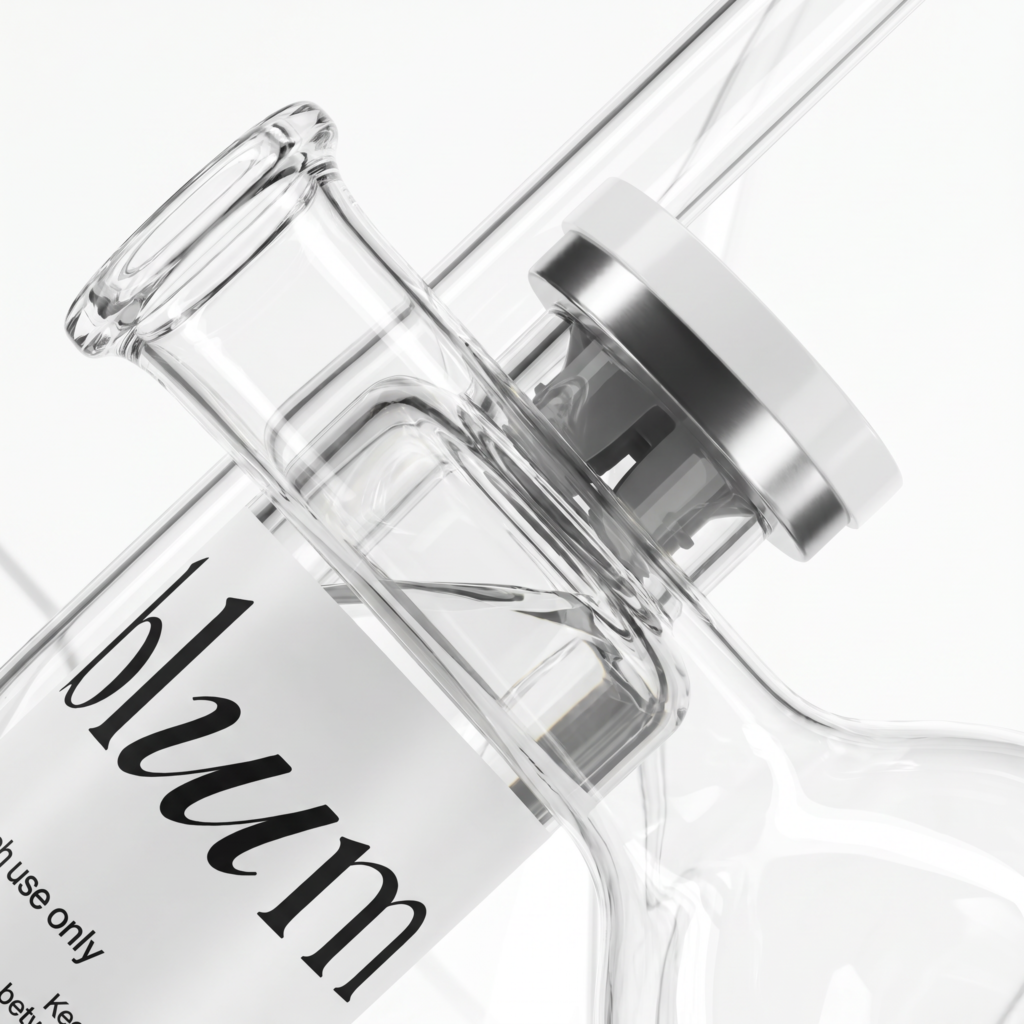
snap 8 peptide
Peptides are widely discussed in cosmetic science and laboratory research because their structures can interact with biological processes in different ways. However, not all peptides serve the same purpose, and similar product descriptions do not necessarily mean that two compounds have comparable effects. Understanding their intended applications, available evidence, and quality standards can help readers make more informed decisions when evaluating peptide-related information.
The snap 8 peptide is primarily associated with cosmetic skincare research, particularly investigations into the appearance of expression-related wrinkles. Other peptides, including copper peptides and compounds marketed for laboratory research, have different proposed functions and evidence profiles. Comparing these substances requires more than looking at their names or marketing claims. It also means distinguishing established scientific findings from preliminary research and identifying what product documentation can—and cannot—confirm.
What Is Snap 8 Peptide?
The snap 8 peptide also known as acetyl octapeptide-3, is a synthetic peptide associated with cosmetic skincare formulations. It contains eight amino acid units and is commonly marketed for products designed to improve the visible appearance of fine lines and expression wrinkles. Its proposed mechanism relates to the SNARE protein complex, which plays a role in communication between nerve cells and the release of neurotransmitters. Researchers and cosmetic formulators have explored whether this mechanism could influence the appearance of expression-related lines when the ingredient is applied topically.
Despite its popularity in skincare discussions, the scientific evidence for SNAP-8 has important limitations. Some frequently repeated claims about wrinkle reduction originate from manufacturer testing rather than independent clinical trials. Research involving products that combine SNAP-8 with other active ingredients cannot establish how much of an observed effect comes from SNAP-8 alone. For this reason, it is more accurate to describe its cosmetic benefits as promising but not conclusively established. Consumers should evaluate the finished formulation, ingredient concentration, safety information, and supporting evidence instead of relying exclusively on promotional claims.
Snap 8 Peptide vs. Argireline: Understanding the Differences
Argireline, commonly identified as acetyl hexapeptide-8, is one of the best-known cosmetic peptides discussed alongside SNAP-8. Both ingredients are associated with research into the SNARE complex and the visible signs of facial expression. However, they are not identical compounds. SNAP-8 contains eight amino acid units, while Argireline contains six, and this structural difference does not automatically mean that SNAP-8 delivers better results.
The available evidence also differs between the two ingredients. Argireline has been investigated in published research examining its potential cosmetic effects, although the findings and limitations still require careful interpretation. SNAP-8 has a more limited independent evidence base, and a clear advantage over Argireline has not been established through robust, direct clinical comparisons. Claims that one peptide is more powerful than the other should therefore be treated cautiously unless they are supported by well-designed comparative studies. For consumers, a well-formulated product with transparent ingredient information may be more useful than choosing an ingredient based on a superiority claim alone.
Snap 8 Peptide vs. Copper Peptides
Copper peptides are another category frequently discussed in skincare, but their proposed functions differ from those associated with SNAP-8. One commonly used example is GHK-Cu, a copper-binding peptide studied for its potential role in skin-related biological processes. Research has explored its relationship with skin appearance, tissue remodeling, and cellular activity. These areas of investigation are not the same as the proposed approach of SNAP-8, which is marketed primarily for expression-related wrinkles.
The distinction matters when comparing skincare products. A formula containing a copper peptide may be positioned around skin conditioning or the appearance of skin texture, while a product featuring SNAP-8 may focus on the appearance of fine lines. Neither ingredient should be assumed to produce a particular outcome simply because it belongs to the peptide family. Results depend on the complete formulation, concentration, product stability, application method, and individual skin characteristics. Evidence for one peptide also cannot automatically establish the effectiveness of another, even when both appear in anti-aging skincare products.
Snap 8 Peptide vs. Other Research Peptides
The term “peptide” describes a broad group of molecules, not a single category of ingredients with interchangeable properties. Some peptides are studied for cosmetic applications, while others are investigated in laboratory settings for entirely different biological questions. BPC-157, MOTS-c, and retatrutide, for example, appear in research and commercial discussions unrelated to the primary cosmetic positioning of SNAP-8. Their proposed functions, development status, and evidence requirements differ substantially.
This distinction is particularly important when evaluating products marketed online. A compound offered for laboratory research should not automatically be treated as a cosmetic ingredient or a product suitable for personal use. Laboratory findings do not establish that a substance is safe or effective in humans, and evidence about one peptide cannot be transferred to another merely because their names appear together in a catalogue. Buyers and researchers should verify the identity and intended use of each compound, review the relevant scientific literature, and check applicable regulatory requirements. Products described as being for research use should not be assumed appropriate for ingestion, injection, or application to the skin.
How to Evaluate Verified Peptides and Product Quality
Searching for verified peptides is a useful starting point when comparing suppliers, but the word “verified” alone does not guarantee purity, safety, or effectiveness. A credible quality assessment should rely on product-specific documentation rather than broad advertising statements. Buyers should look for a certificate of analysis (COA) that identifies the tested material, describes the analytical methods used, and reports results that can be linked to the relevant batch. Ideally, the document should include a batch or lot number, testing date, laboratory identity, and clearly explained results.
Different analytical methods answer different questions. High-performance liquid chromatography (HPLC) can help assess the purity profile of a sample, but a high percentage on a chromatogram does not necessarily prove that the substance has the correct molecular identity. Mass spectrometry can provide complementary information about molecular mass and identity. Depending on the product and intended application, additional testing may be needed to evaluate residual solvents, water content, microbial contamination, or other relevant quality attributes. No single test establishes every aspect of product quality, and a COA should be reviewed for its scope and limitations rather than treated as an automatic guarantee.
It is also important to distinguish the purity of a raw ingredient from the quality of a finished product. A peptide supplied as a laboratory material may have different documentation and handling requirements from a professionally formulated cosmetic product. In skincare, formulation stability, packaging, preservation, and compatibility with other ingredients can influence product quality. Consumers should prioritize finished products with clear ingredient labeling and appropriate safety information. Researchers should obtain documentation that corresponds to the exact batch they are evaluating, rather than relying on a generic report or a supplier’s general claim of high purity.
Safety, Evidence, and Responsible Use
Safety considerations should be part of every peptide comparison. The fact that a substance is synthetic, appears in scientific literature, or is sold by an online supplier does not establish that it is safe for every use. For a topical cosmetic product, consumers should follow the product label, check the ingredient list, and consider whether the formulation is appropriate for their skin. A patch test may help identify some forms of irritation, although it cannot guarantee that an allergic reaction or other adverse effect will not occur. Persistent irritation or other unexpected symptoms are reasons to discontinue use and seek appropriate professional advice.
Researchers should follow suitable laboratory procedures, the supplier’s documented storage conditions, and applicable institutional requirements. Products intended solely for research should not be repurposed for personal treatment. Unverified products, unclear labeling, and unsupported claims about therapeutic benefits create additional uncertainty. Anyone considering a peptide for a medical purpose should consult a qualified healthcare professional rather than relying on online descriptions or experimental findings.
Evidence quality should also guide expectations. Well-designed controlled studies, independent replication, transparent methods, and clearly reported limitations provide a stronger basis for conclusions than testimonials or promotional summaries. When a study examines several ingredients at once, it may offer information about the combined formulation but cannot necessarily demonstrate the individual contribution of SNAP-8. Recognizing these differences helps readers avoid confusing a plausible scientific explanation with a proven consumer benefit.
How to Compare Peptides Before Making a Decision
A practical comparison begins by identifying what each peptide is intended to do. For cosmetic skincare, consider the ingredient’s role, the quality of research supporting its proposed benefit, and the formulation in which it is used. For laboratory research, focus on chemical identity, batch-specific testing, documented handling requirements, and whether the available evidence is relevant to the research question. This approach is more reliable than ranking compounds based on popularity, marketing language, or the number of amino acids in their structures.
Next, review the supplier’s documentation carefully. Check whether the product name matches the chemical identity, whether the COA refers to the actual batch, and whether the reported tests support the claims being made. Look for clear information about limitations rather than assuming that phrases such as “premium quality,” “research grade,” or “verified peptides” have a universal, independently regulated meaning. If documentation is incomplete or contradictory, it is reasonable to request clarification before proceeding.
Ultimately, the snap 8 peptide occupies a different position from Argireline, copper peptides, and peptides studied for non-cosmetic research purposes. Each compound has its own chemical identity, proposed applications, and level of supporting evidence. SNAP-8 is marketed for the appearance of expression lines, but its independent clinical evidence remains limited, and claims of superiority over related ingredients are not firmly established. By comparing scientific evidence, product-specific quality testing, intended use, and safety information, readers can make more informed assessments without relying on exaggerated promises.