Turning a Creative Interest Into a Business
For many people, fashion begins as a personal interest in clothing, graphics, photography, or styling. Over time, that interest can develop into a business idea built around a specific audience or creative vision. Streetwear offers several possible directions, including original apparel, graphic design, styling services, content creation, and independent retail. However, turning an idea into a sustainable business requires more than enthusiasm. Entrepreneurs need to understand their audience, plan their costs, communicate clearly, and deliver products or services consistently. A strong beginning often comes from identifying a genuine interest and developing it into something useful for other people.
Defining a Clear Brand Identity
A brand identity helps customers understand what a business represents. It includes the visual elements, language, values, and overall experience associated with a brand. For a streetwear business, this might involve a recognizable design direction, consistent photography, and a clear explanation of the intended audience. A brand does not need to appeal to everyone. In fact, a focused identity can help a small business communicate more effectively with people who share its interests. Before investing heavily in products or advertising, entrepreneurs should consider what makes their idea distinctive and how that difference can be communicated honestly.
Supreme London and the Business of Streetwear
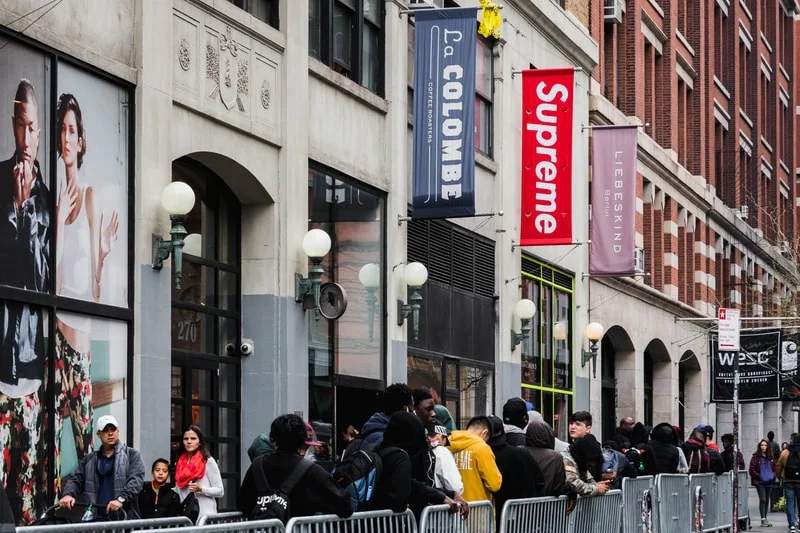
Streetwear businesses operate within a broad creative environment influenced by urban culture, independent designers, music, art, and online communities. Supreme London can be discussed within this wider context of fashion branding and how businesses communicate a recognizable identity to their audiences. Entrepreneurs can learn from observing retail presentation, visual consistency, product storytelling, and community engagement across the industry. The important lesson is not to imitate another brand’s identity, but to understand the principles behind effective communication. An independent business needs its own creative direction, accurate product information, and a clear reason for customers to pay attention.
Developing Products With a Purpose
A clothing business should begin with a clear idea of what its products are meant to offer. This could involve a particular fit, a distinctive graphic approach, practical everyday garments, or a carefully selected range of colors. Entrepreneurs should think about how the intended audience will use the products and what details matter most to those customers. Early designs can be tested through samples, feedback, and small production runs before larger commitments are made. This process helps identify issues with sizing, construction, and presentation while limiting unnecessary costs. Thoughtful product development creates a stronger foundation than releasing a large collection without understanding customer needs.
Designing a Supreme Hooded Sweatshirt Concept
A hoodie illustrates how creative ideas must be balanced with practical decisions. A Supreme Hooded Sweatshirt concept could inspire a general discussion about silhouette, graphic placement, pocket design, and the relationship between comfort and appearance. An independent entrepreneur developing a hoodie should consider fabric weight, construction, available sizes, production methods, and the intended price point. Artwork also needs to be original or properly licensed. Creating a sample allows the designer to evaluate how the garment looks and feels before offering it to customers. Careful testing can reveal problems that are difficult to identify from a digital mock-up alone.
Understanding Costs and Pricing
Pricing is one of the most important decisions for a new fashion business. Entrepreneurs need to account for materials, manufacturing, packaging, shipping, payment processing, marketing, and other operating expenses. The selling price must reflect the overall cost structure while remaining reasonable for the intended audience. Setting a price based only on what competitors charge can be risky because their costs and business models may be different. A simple cost sheet helps entrepreneurs understand the minimum revenue required to support their operations. Reviewing actual expenses regularly also makes it easier to identify opportunities to improve efficiency without compromising product quality.
Building a Recognizable Supreme Clothing Business Identity
Supreme Clothing provides a useful reference point for discussing the relationship between fashion, visual recognition, and customer expectations. For a new business, developing a recognizable identity means creating original visual assets, using consistent language, and presenting products in a coherent way. A logo alone cannot establish a strong brand if the products, descriptions, and customer experience feel disconnected. Entrepreneurs should ensure that their photography, website layout, packaging, and written content support the same overall direction. Consistency helps customers understand the business, while originality gives it room to develop an identity that is not dependent on another company’s reputation.
Creating an Effective Online Store
An online store should make it easy for customers to understand products and complete purchases. Clear photographs, accurate descriptions, readable size charts, transparent shipping information, and straightforward navigation are essential. Product pages should explain what customers can expect without making unsupported claims about fabric composition, manufacturing, or performance. A useful checkout process should also communicate costs before the order is placed. Before launching, entrepreneurs can test the website on different screen sizes and review the purchasing process from the customer’s perspective. Fixing confusing details early can reduce frustration and help establish trust with first-time visitors.
Marketing Through Useful Content
Content marketing can help a fashion business introduce its products while providing information that customers genuinely value. Articles about garment care, styling suggestions, design inspiration, and behind-the-scenes development can give audiences reasons to explore a website beyond individual product listings. Short videos and photographs may also demonstrate fit, construction, and possible outfit combinations. Content should remain relevant to the brand and avoid repeating the same sales message in every post. A consistent publishing schedule is more manageable when the business selects a few suitable formats and develops ideas around its actual products, creative process, and audience questions.
Choosing a Supreme Hoodie for a Product Range
A Supreme Hoodie can be used as an example when considering how a business might plan a hoodie category, but an independent brand should develop its own product concepts and descriptions. Entrepreneurs need to decide how many colors and sizes to offer, how the garment will be photographed, and which details customers need before ordering. A focused initial range may be easier to manage than a large collection with many variations. Customer feedback can then help guide future decisions. Tracking which sizes, colors, and designs attract interest provides useful information, although sales data should be considered alongside costs, returns, and customer comments.
Customer Service and Long-Term Trust
Customer service plays a significant role in the reputation of a small clothing business. Customers may need help with measurements, order tracking, returns, or product details. Clear policies and timely, respectful responses can make these interactions easier for everyone. Businesses should avoid promising delivery dates or product characteristics they cannot reliably support. When a problem occurs, explaining the available options honestly is usually more constructive than ignoring the issue. Keeping records of recurring questions can also reveal where product pages or policies need improvement. Trust develops through repeated experiences, not simply through attractive branding or persuasive advertising.
Managing Growth Without Losing Direction
As a fashion business grows, its operations often become more complicated. More orders can require better inventory tracking, additional storage, improved packaging systems, or help with customer inquiries. Expanding too quickly may create cash-flow problems or make it difficult to maintain consistent quality. Entrepreneurs can reduce these risks by reviewing performance before making major commitments. Small experiments, such as testing a limited product release or a new content format, can provide useful evidence without requiring a complete business overhaul. Growth is most effective when it supports the original purpose of the business and remains manageable with available resources.
Learning From Feedback and Mistakes
Feedback helps entrepreneurs identify problems and discover opportunities they may have overlooked. Customer comments can reveal sizing confusion, unclear product descriptions, packaging concerns, or demand for different options. Not every suggestion will suit the business, so feedback needs to be evaluated rather than followed automatically. Sales patterns, return reasons, production costs, and customer messages can be considered together to build a clearer picture. Mistakes are also useful when they lead to specific improvements. Keeping records of decisions and results allows entrepreneurs to learn from experience instead of repeating the same problems with every new collection.
Building a Sustainable Creative Future
A successful fashion business combines creative direction with practical management. Entrepreneurs need to develop original products, understand their costs, communicate accurately, and create an online experience that respects customers. A recognizable identity can help a business stand out, but long-term progress depends on delivering value consistently. Starting with a focused collection, listening to customers, and improving operations gradually can make the process more manageable. Streetwear entrepreneurship offers room for experimentation, yet the strongest ideas are supported by research, planning, and clear execution. With patience and a willingness to learn, a creative interest can develop into a more organized and sustainable business.