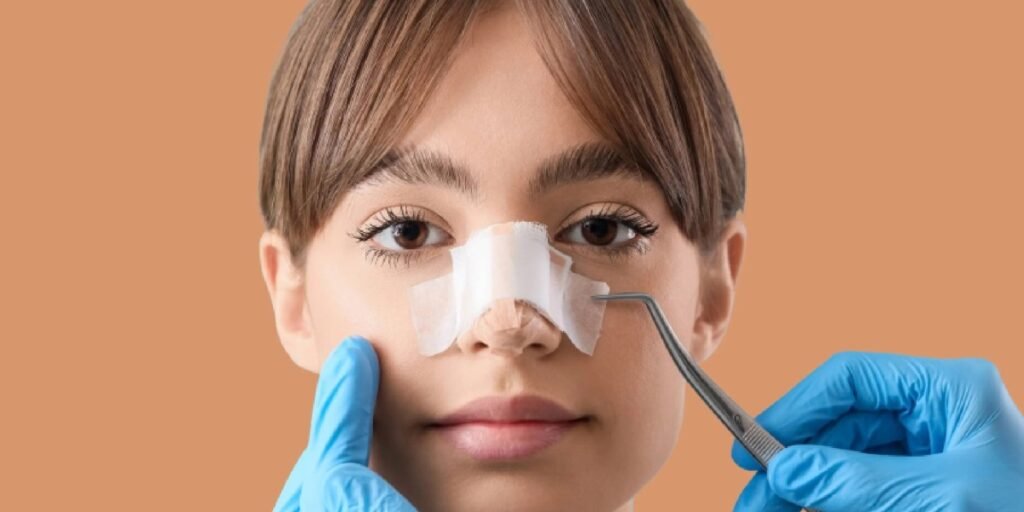
Rhinoplasty in Dubai
Facial balance is influenced by the relationship between different features, including the forehead, cheeks, chin, lips, and nose. Because the nose occupies a central position on the face, even subtle changes to its shape or proportions may influence the overall appearance. Some people feel that a prominent nasal bridge, a wide tip, uneven nostrils, or asymmetry makes their facial features appear less balanced. For others, the concern may involve both appearance and nasal function.
Rhinoplasty in Dubai is a surgical option for people who want to explore changes to the shape, size, or proportions of their nose. The purpose of treatment is not necessarily to create a smaller nose or copy a particular appearance. Instead, an appropriate treatment plan considers the individual’s facial structure and aims to achieve a result that looks harmonious with their natural features.
At Perfect Doctors Clinic, patients can discuss their concerns and explore treatment planning based on their nasal anatomy, personal goals, and medical suitability. Understanding the relationship between nose shape and facial proportions is an important first step in deciding whether rhinoplasty is appropriate.
This article explains how nose reshaping may contribute to facial balance, which features can be considered during planning, how treatment options are selected, and what patients should understand about consultation, costs, recovery, and long-term results.
Understanding Rhinoplasty in Dubai and Facial Balance
Rhinoplasty in Dubai refers to a surgical procedure that changes the external shape, size, or proportions of the nose. Depending on the patient’s needs, the procedure may address the nasal bridge, tip, nostrils, or overall nasal profile. Some treatment plans also consider internal nasal structures when functional concerns are present.
Facial balance does not mean that every feature must be perfectly symmetrical or follow one standard of beauty. Natural faces have individual characteristics, and the nose should be considered in relation to the rest of the facial structure.
For example, a nasal bridge that appears prominent on one face may look proportionate on another. Similarly, a particular nasal tip shape may complement one person’s facial features but appear different when considered on someone with a different chin or cheek structure.
A rhinoplasty consultation may therefore consider:
- The relationship between the nose and forehead
- The proportions of the nose in relation to the cheeks
- The position and projection of the chin
- Nasal bridge height and width
- Nasal tip shape and definition
- Nostril width and symmetry
- Skin thickness and cartilage structure
- Breathing function and internal nasal anatomy
Considering these elements together helps establish whether a proposed change may complement the patient’s natural appearance.
Rhinoplasty Dubai: How Nose Shape Influences Facial Proportions
Rhinoplasty Dubai is a frequently used search term among people exploring nasal reshaping. One reason for this interest is that the nose plays an important role in the visual relationship between facial features.
The bridge, tip, and base of the nose each contribute to its overall appearance. A change to one area may influence how other features are perceived. For this reason, treatment planning should consider the entire face rather than focusing on an isolated nasal detail.
The Nasal Bridge and Facial Profile
The nasal bridge forms a visible part of the facial profile. Some patients are concerned about a prominent bump, an uneven contour, or a bridge that appears too wide for their facial proportions.
Depending on the patient’s anatomy, a treatment plan may explore adjustments to the bridge to create a smoother or more balanced profile. The extent of change should be carefully considered to maintain appropriate structural support.
The Nasal Tip and Overall Definition
The nasal tip can influence the appearance of the lower part of the nose. Patients may describe it as rounded, broad, drooping, or insufficiently defined.
Tip reshaping may be considered when the cartilage structure and skin characteristics allow it. The goal is to assess how the tip relates to the bridge, nostrils, and other facial features.
Nose Width and Facial Harmony
Nasal width is another feature that may influence facial proportions. Some people are concerned about the width of the nasal base or the appearance of their nostrils.
Any proposed adjustment should be considered carefully. Reducing width without evaluating the overall facial structure may create an appearance that does not suit the patient’s features.
Nasal Projection and Profile Balance
Nasal projection describes how far the nose extends from the face. Its relationship with the forehead, lips, and chin can influence the side profile.
A consultation helps determine whether the patient’s concern relates to projection, bridge shape, tip position, or a combination of features.
Why Personalised Rhinoplasty Planning Is Important
No two patients have exactly the same nasal anatomy or facial proportions. A treatment approach that is suitable for one individual may not be appropriate for another. This is why personalised planning is central to a considered rhinoplasty journey.
A patient may request a smaller nose, but the medical assessment may show that the main concern is actually the nasal tip or bridge. Another patient may want a straighter profile but also have internal structural concerns that require attention.
A personalised plan should consider:
- Individual goals: Understanding which nasal features the patient wants to change.
- Facial proportions: Reviewing how the nose relates to the forehead, cheeks, lips, and chin.
- Nasal anatomy: Assessing bone, cartilage, skin, and supporting structures.
- Functional requirements: Considering breathing concerns and internal nasal anatomy.
- Surgical suitability: Reviewing relevant medical history and overall health.
- Realistic outcomes: Explaining what may be achievable and what limitations may apply.
This approach helps patients understand why a particular procedure is being considered and how the proposed changes relate to their facial structure.
Best Rhinoplasty Surgeon in Dubai: Choosing the Right Professional
Choosing a suitable medical professional is one of the most important decisions when considering nose reshaping. Patients searching for the Best rhinoplasty surgeon in Dubai should focus on relevant qualifications, experience, consultation quality, and the ability to explain a treatment plan clearly.
A good consultation should involve more than discussing a preferred nose shape. It should include an assessment of nasal anatomy, facial proportions, medical suitability, and the patient’s expectations.
When researching the Best rhinoplasty surgeons in Dubai, patients may consider the following factors:
- Relevant medical qualifications and surgical training
- Experience with different types of nasal procedures
- Understanding of nasal structure and facial proportions
- Clear communication about treatment options
- Willingness to discuss limitations and realistic expectations
- Attention to nasal function as well as appearance
- Appropriate surgical facilities and patient-care arrangements
- A structured approach to postoperative reviews
Patients should feel comfortable asking questions and taking time to understand the proposed treatment. Photographs and online descriptions may provide general information, but they cannot replace an individual medical assessment.
Rhinoplasty Surgery: What Happens During the Procedure?
Rhinoplasty surgery involves changing selected nasal structures to address aesthetic or functional concerns. The exact procedure depends on the patient’s anatomy, the areas being treated, and the surgical plan developed during consultation.
Before surgery, the medical team should explain the intended changes and the approach being considered. Patients should understand which structures may be modified and how the plan relates to their goals.
The procedure may involve adjustments to:
- Nasal bones
- Cartilage supporting the nasal tip
- Nasal bridge contours
- Nostril shape or width
- Selected internal structures, when indicated
The surgical approach may differ depending on the extent of reshaping required. Some patients need limited adjustments, while others may require more detailed structural changes.
The objective is to address the identified concerns while maintaining suitable nasal support and considering the patient’s breathing function. Patients should not assume that a particular technique is automatically best for them. The appropriate approach should be selected following a professional examination.
Rhinoplasty Treatment Options for Different Nasal Features
Rhinoplasty treatment options depend on the patient’s concerns and the anatomical features that need to be addressed. A consultation helps establish which changes may be suitable and whether the treatment should focus on one area or several parts of the nose.
Nasal Bridge Refinement
Bridge refinement may be considered for patients who are concerned about a prominent bump, uneven contour, or excessive width. The treatment plan should account for the relationship between the bridge and the rest of the face.
Nasal Tip Reshaping
Tip reshaping may address concerns involving a rounded, broad, drooping, or poorly defined nasal tip. The patient’s cartilage strength and skin thickness can influence the approach.
Nostril and Nasal Base Adjustment
Some patients are concerned about the width or shape of their nostrils. Any proposed adjustment should be carefully evaluated to maintain natural proportions and avoid an overcorrected appearance.
Nasal Symmetry Correction
Asymmetry may result from natural development, previous injury, or earlier surgery. The consultation should identify the source of the difference and establish whether improvement is realistic.
Functional and Aesthetic Planning
When a patient has breathing difficulties alongside aesthetic concerns, the treatment plan may need to consider both external and internal nasal structures. Functional assessment is important before deciding whether additional correction is appropriate.
The most suitable option is the one that addresses the patient’s specific concerns while respecting their anatomy.
Rhinoplasty Clinic in Dubai: The Importance of a Detailed Consultation
Selecting a suitable Rhinoplasty clinic in Dubai involves considering the quality of the consultation, the clarity of treatment information, and the arrangements for surgical and postoperative care.
At Perfect Doctors Clinic, patients can discuss their concerns and explore an approach based on their individual requirements. A detailed consultation should provide an opportunity to explain desired changes, review nasal features, and understand the possible benefits and limitations of surgery.
Before proceeding, patients should receive clear information about:
- The proposed surgical procedure
- The medical professional responsible for treatment
- The intended changes to the nose
- Preoperative preparation
- Surgical and facility arrangements
- Expected recovery milestones
- Follow-up appointments
- The financial details of the treatment plan
Patients should not feel pressured to make an immediate decision. Understanding the procedure and having realistic expectations are essential parts of informed consent.
Best Plastic Surgeon in Dubai: Discussing Facial Proportions
People searching for a Best Plastic surgeon in Dubai may be comparing treatment providers and trying to understand which professional can assess their concerns appropriately.
For rhinoplasty, the consultation should consider the entire face. A nose that looks attractive in isolation may not necessarily create the most balanced appearance when viewed alongside the patient’s other features.
For example, reducing nasal projection may change the relationship between the nose and chin. Refining the nasal tip may influence how the lower part of the nose appears from the front. Adjusting the bridge may affect the overall profile.
Patients should discuss:
- Which features make them feel their nose is unbalanced
- Whether they are concerned about the front view, side profile, or both
- Whether they have breathing concerns
- Whether they prefer subtle refinement or more noticeable changes
- Which aspects of their natural appearance they want to preserve
A careful discussion helps establish priorities and prevents the treatment plan from being based on unrealistic comparisons.
Best Doctors in Dubai: Making an Informed Treatment Decision
Researching the Best Doctors in dubai is part of the preparation process for many patients considering elective surgery. However, online rankings alone cannot determine whether a particular professional or procedure is suitable for an individual.
Patients should assess the quality of the medical discussion and whether their questions are answered clearly. A responsible treatment conversation should explain the expected changes, possible limitations, preparation requirements, and recovery commitments.
Consider asking these questions during consultation:
- Which nasal features are suitable for correction?
- How will the procedure complement my facial proportions?
- What surgical technique is being considered and why?
- Will my breathing function be assessed?
- What changes are realistic for my anatomy?
- How long should I plan for recovery?
- What follow-up appointments will be required?
The answers should help patients understand the reasoning behind the proposed plan. A well-informed decision is based on medical suitability and clear communication rather than promotional claims.
Rhinoplasty Before and After: Understanding Facial Changes
Rhinoplasty before and after photographs can help patients understand how nasal reshaping may influence facial appearance. They may show changes to the bridge, tip, nostrils, or profile. However, photographs should be treated as examples rather than promises of a particular result.
The appearance of the nose depends on several individual characteristics, including:
- Original nasal structure
- Skin thickness
- Cartilage strength
- Facial proportions
- The extent of surgical changes
- Individual healing patterns
When reviewing before-and-after examples, patients should consider whether the starting anatomy is comparable to their own. Photographs should ideally be viewed from consistent angles and with similar lighting.
It is also important to remember that early postoperative photographs may show swelling. The appearance of the nose can continue to change as healing progresses.
Reference images may help patients communicate their preferences, but the final treatment plan should be based on their own anatomy and medical assessment.
Rhinoplasty Procedures in Dubai: Selecting a Suitable Surgical Approach
Rhinoplasty procedures in Dubai may involve different techniques depending on the patient’s goals and nasal structure. The choice of approach should be guided by the changes required, the complexity of the procedure, and the need to preserve structural support.
Some patients may need focused changes to the nasal tip or bridge, while others may require adjustments involving several areas. Patients with functional concerns may need additional assessment of internal nasal structures.
The planning process should consider:
- Whether the concern is aesthetic, functional, or both
- Which nasal structures require adjustment
- How much reshaping is appropriate
- Whether existing asymmetry needs attention
- How nasal support will be maintained
- What recovery requirements may apply
The most extensive procedure is not automatically the best option. A suitable approach should be selected according to the patient’s needs and the medical professional’s assessment.
Rhinoplasty Cost in Dubai: Understanding the Factors Involved
Understanding the Rhinoplasty cost in Dubai is an important part of planning treatment. The total cost can vary depending on the complexity of the procedure, the surgical technique, the medical team’s involvement, facility arrangements, and the patient’s individual requirements.
A patient requiring limited nasal refinement may have a different treatment plan from someone who needs more extensive structural changes. Additional functional considerations may also influence the overall plan.
When discussing Rhinoplasty cost in Dubai, patients should ask for a clear breakdown of the proposed fees. They may wish to confirm whether the quoted amount includes:
- Consultation and preoperative assessment
- Required medical investigations
- Surgeon fees
- Anaesthesia fees
- Surgical facility charges
- Postoperative appointments
- Follow-up care
- Any additional services included in the treatment package
Patients should compare treatment plans carefully rather than choosing a procedure based only on the lowest advertised price. The proposed approach, medical suitability, qualifications, and quality of care are all important considerations.
Rhinoplasty Recovery: What to Expect After Nose Reshaping
Rhinoplasty recovery is an important stage of the overall treatment journey. The nose needs time to heal after surgery, and its appearance may change as swelling gradually decreases.
The recovery experience varies according to the procedure, the patient’s individual healing response, and the medical instructions provided. Patients should follow their own postoperative plan rather than comparing their progress with someone else’s experience.
Initial Recovery Period
During the early stage, patients may experience swelling, congestion, and temporary changes in the appearance of the nose. Rest and adherence to postoperative instructions are important.
Returning to Daily Activities
The timing for returning to work, exercise, and normal routines depends on the procedure and individual progress. Patients should ask their medical team when specific activities can safely be resumed.
Protecting the Nose During Healing
Patients may be advised to avoid pressure, accidental impact, and activities that could disturb the healing tissues. Instructions about sleeping position, cleaning, dressings, and medication should be followed carefully.
Follow-Up and Progress Reviews
Follow-up appointments allow the medical team to assess healing and answer questions. Patients should attend scheduled reviews and report unexpected symptoms promptly.
A well-organised recovery plan helps patients understand their responsibilities and manage expectations throughout the healing process.
Rhinoplasty Results: How Long-Term Facial Balance Develops
Rhinoplasty results become clearer over time as swelling decreases and the nasal tissues settle. The early appearance of the nose should not be treated as the final outcome because healing continues after the initial recovery period.
The final appearance depends on several factors, including the patient’s anatomy, skin characteristics, surgical changes, and individual healing response.
Patients should understand that rhinoplasty can address selected features, but it cannot guarantee perfect symmetry or make every requested change possible. The aim is to achieve an appropriate improvement that complements the patient’s natural facial structure.
Long-term expectations should include:
- Allowing sufficient time for healing
- Following postoperative instructions
- Attending recommended follow-up appointments
- Protecting the nose from injury
- Discussing concerns with the medical team
- Understanding the limitations of surgery
Facial balance is individual, and a successful treatment plan should focus on appropriate proportions rather than attempting to create an identical appearance for every patient.
The Role of Dr perfect celebrity at Perfect Doctors Clinic
Patients considering treatment at Perfect Doctors Clinic may discuss their goals and concerns with Dr perfect celebrity as part of the consultation process. The purpose of this discussion is to understand the patient’s expectations, review relevant nasal features, and explore a treatment approach based on individual requirements.
The consultation should cover the patient’s preferred changes, nasal anatomy, functional concerns, and medical suitability. Patients should also have the opportunity to ask questions about the proposed procedure, recovery expectations, and follow-up arrangements.
A treatment decision should be made after the patient understands the potential benefits, limitations, and commitments involved. Clear communication is important at every stage of the process.
How to Prepare for Rhinoplasty in Dubai
Preparation helps patients approach surgery with a clearer understanding of what is involved. Before the procedure, patients should provide accurate information about their medical history, medications, allergies, previous operations, and any existing health concerns.
The medical team may recommend investigations or provide instructions about medication, eating and drinking, and arrangements for the day of surgery. Patients should follow these instructions carefully.
A preparation checklist may include:
- Attend the recommended consultation.
- Explain your aesthetic and functional concerns.
- Discuss your expectations and priorities.
- Share your complete medical history.
- Understand the proposed procedure and its limitations.
- Ask about recovery and follow-up arrangements.
- Complete any recommended preoperative assessments.
- Follow the medical team’s instructions.
Taking time to prepare can help patients make informed decisions and understand the responsibilities involved in the treatment journey.
Conclusion: Enhancing Facial Balance Through Personalised Rhinoplasty
The nose plays an important role in facial proportions because of its central position. Changes to the nasal bridge, tip, width, or projection may influence how the face looks from different angles. However, the most appropriate approach is not necessarily to make the nose smaller or follow a particular trend. It is to consider the patient’s natural anatomy and determine whether carefully planned changes may improve overall facial harmony.
Rhinoplasty in Dubai offers patients an opportunity to explore personalised nose reshaping with attention to appearance, nasal structure, and functional needs. A detailed consultation, realistic expectations, and a clear recovery plan are essential parts of the process.
At Perfect Doctors Clinic, patients can discuss their concerns and explore treatment planning according to their individual requirements. Understanding the available options, reviewing the Rhinoplasty cost in Dubai, and asking informed questions can help patients make a considered decision about nose reshaping.
Frequently Asked Questions
1. How can Rhinoplasty in Dubai enhance facial balance?
Rhinoplasty may improve the relationship between the nose and other facial features by addressing selected concerns involving the bridge, tip, width, or projection. The appropriate changes depend on individual anatomy and treatment goals.
2. Does rhinoplasty always make the nose smaller?
No. Rhinoplasty does not always involve reducing the size of the nose. Depending on the patient’s concerns, treatment may focus on reshaping the tip, refining the bridge, adjusting proportions, or addressing functional issues.
3. Who is a suitable candidate for Rhinoplasty surgery?
Suitability depends on medical health, nasal anatomy, treatment goals, and the ability to understand the procedure and recovery commitments. A professional consultation is needed to determine whether surgery is appropriate.
4. How do I choose the Best rhinoplasty surgeon in Dubai?
Consider relevant qualifications, experience, the quality of the consultation, and the clarity of the proposed treatment plan. Ask about surgical techniques, realistic outcomes, and postoperative care.
5. What are the main Rhinoplasty treatment options?
Options may include nasal bridge refinement, tip reshaping, nostril adjustment, symmetry improvement, and procedures that consider functional concerns. The appropriate approach depends on the patient’s anatomy.
6. What factors affect Rhinoplasty cost in Dubai?
The cost may depend on procedure complexity, surgical technique, medical and facility fees, anaesthesia, and follow-up arrangements. Patients should request a detailed estimate based on their individual treatment plan.
7. How long does Rhinoplasty recovery take?
Recovery varies from patient to patient. Initial swelling may improve over the first few weeks, but the nose can continue to settle over a longer period. The medical team should provide guidance based on the procedure performed.
8. When can I see my final Rhinoplasty results?
The appearance of the nose develops gradually as swelling decreases and tissues heal. The time needed for the final result to become clearer varies according to the procedure and individual healing.
9. Are Rhinoplasty before and after photographs reliable?
Photographs can help patients understand possible changes, but they cannot guarantee an identical result. Differences in anatomy, skin thickness, surgical approach, and healing mean that outcomes vary.
10. Can rhinoplasty improve both appearance and breathing?
In selected cases, rhinoplasty may be planned alongside functional correction. Patients with breathing concerns need an appropriate assessment of their internal nasal structures to determine which treatment may be suitable.