Muscle discomfort, restricted movement, and persistent muscular tension can affect how people perform everyday activities. Simple tasks such as reaching, bending, exercising, or sitting comfortably may become challenging when certain muscles are not functioning properly. These problems can develop through repetitive movements, athletic activities, physical strain, or previous injuries. Carter Physiotherapy focuses on patient-centered physical rehabilitation, helping individuals understand their movement difficulties and explore treatment options that support better physical function.
For individuals experiencing muscular discomfort, Dry Needling in Austin is one treatment option that may be considered as part of an appropriate physical therapy program. This technique involves using thin, sterile needles to target selected areas of muscle tissue. It is generally performed by appropriately trained healthcare professionals following an individual assessment. When clinically suitable, dry needling may complement other rehabilitation methods, including therapeutic exercises, mobility training, and movement education.
Understanding What Dry Needling Involves
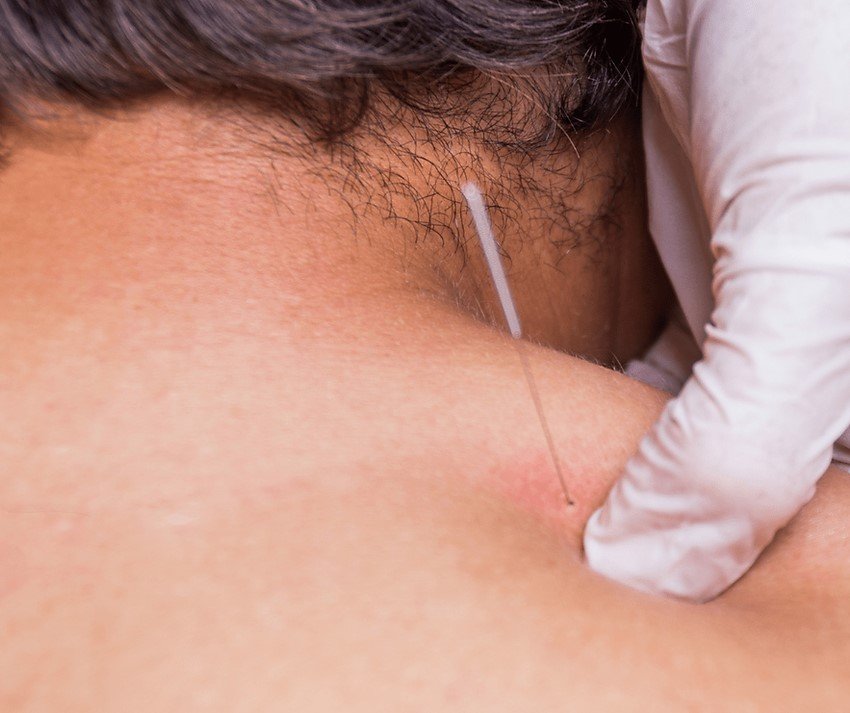
Dry needling is a treatment technique used by trained healthcare professionals to address selected neuromuscular and musculoskeletal concerns. It involves inserting a thin needle into specific areas of muscle tissue without injecting medication. Depending on the patient’s condition, a therapist may use the technique to address muscular sensitivity, tightness, or certain movement-related symptoms.
The treatment approach is different from a general massage or stretching session because it involves a specific clinical technique and requires appropriate professional training. Before recommending it, a physical therapist should review the patient’s symptoms, medical history, and treatment goals. This assessment helps determine whether dry needling is appropriate or whether another rehabilitation method would be more suitable.
How Muscle Tension Can Affect Everyday Movement?
Muscle tension can develop through several everyday activities. Spending long hours at a computer, performing repetitive tasks, lifting heavy objects, or participating in demanding exercise may contribute to muscular discomfort. Some people notice tightness around the shoulders and neck, while others experience restrictions in the lower back, hips, or legs.
When muscular discomfort affects normal movement, people may begin changing the way they perform certain activities. For example, someone with shoulder stiffness may avoid reaching overhead, while a person experiencing back discomfort may alter their bending or lifting habits. Understanding these movement changes is important because treatment should consider how symptoms affect overall physical function.
Exploring Dry Needling for Neck and Shoulder Discomfort
Neck and shoulder tension is a common concern among individuals who spend extended periods sitting, working at computers, or performing repetitive upper-body activities. Restricted movement may make it difficult to turn the head, reach overhead, or maintain comfortable working positions. Muscular discomfort can also interfere with exercise and other recreational activities.
For appropriate patients, Dry Needling in Austin may be discussed as one possible component of treatment for selected muscular complaints. A trained professional may assess the affected muscles and determine whether the technique is suitable. Depending on individual needs, treatment may also include posture education, shoulder mobility exercises, strengthening activities, and guidance on managing repetitive physical demands.
The Role of Dry Needling in Back and Hip Rehabilitation
Back and hip discomfort can influence walking, sitting, bending, lifting, and other daily movements. Muscular strain, limited mobility, previous injuries, and repetitive physical activities may contribute to these concerns. Because the lower back and hips work together during many movements, physical limitations in one area can sometimes affect how the surrounding body structures function.
A physical therapist may assess flexibility, muscle function, movement patterns, and activity-related symptoms before considering different treatment options. Dry needling may be appropriate for certain muscular conditions, but it is not a universal solution for back or hip pain. A broader rehabilitation program may include strengthening, mobility exercises, and functional movement training to address the patient’s individual needs.
Supporting Athletic Recovery and Physical Performance
Athletes and fitness enthusiasts regularly place physical demands on their muscles and joints. Running, cycling, weightlifting, swimming, and team sports involve repeated movements that can sometimes contribute to muscular strain or discomfort. When symptoms interfere with training, individuals may need to adjust their routines and explore appropriate rehabilitation options.
In selected cases, Dry Needling in Austin may be incorporated into a sports rehabilitation plan. The technique may be considered alongside exercises that address flexibility, strength, coordination, and movement control. Treatment decisions should reflect the athlete’s injury history, symptoms, and physical requirements. Returning to demanding exercise should be gradual and guided by appropriate professional advice.
Combining Dry Needling With Therapeutic Exercises
Dry needling should not automatically replace active rehabilitation. Although some patients may experience changes in muscular discomfort following treatment, long-term physical function also depends on strength, mobility, coordination, and movement habits. Therapeutic exercises help individuals develop these abilities and participate actively in their rehabilitation.
A physical therapy program may combine selected dry needling techniques with stretching, resistance exercises, balance training, and functional movement activities. For example, someone experiencing shoulder muscle discomfort may work on shoulder mobility and strengthening as part of the same broader treatment plan. This combination allows rehabilitation to address both specific symptoms and the physical activities that matter to the patient.
Safety, Professional Assessment, and Treatment Considerations
Like other healthcare procedures, dry needling involves potential risks and should only be performed by appropriately trained and qualified professionals within their scope of practice. Temporary soreness, minor bleeding, bruising, or fatigue may occur after treatment. More serious complications are uncommon but can occur, particularly when treatment involves certain anatomical areas.
Patients should discuss their medical history, medications, health conditions, and concerns before undergoing treatment. A healthcare professional should explain the procedure, possible side effects, expected benefits, and available alternatives. Dry Needling in Austin should always be considered according to individual clinical needs rather than as a treatment that is automatically appropriate for every person experiencing muscle pain.
Choosing Carter Physiotherapy for Personalized Rehabilitation
Selecting a physical therapy provider involves considering professional qualifications, available services, communication, and the provider’s approach to individualized care. Patients should understand how evaluations are conducted and how different treatment methods fit into their rehabilitation goals. Clear explanations can help individuals feel more informed about their treatment choices and actively participate in their care.
Carter Physiotherapy is a local option for people researching physical therapy services in Austin. Individuals interested in Dry Needling in Austin can ask about the provider’s available treatment approaches, professional training, assessment procedures, and how dry needling may be incorporated into a broader rehabilitation program. Discussing personal symptoms and expectations before beginning treatment can help determine whether the available services are appropriate.
Conclusion
Muscular discomfort and movement restrictions can affect work, exercise, sports participation, and everyday responsibilities. Understanding the causes of these difficulties is an important part of choosing suitable rehabilitation options. Dry needling may be considered for selected muscular conditions when performed by an appropriately trained professional, but it is best understood as one possible component of a comprehensive physical therapy program.
For individuals researching Dry Needling in Austin, Carter Physiotherapy is worth considering when exploring local rehabilitation options. A personalized assessment, appropriate treatment selection, and consistent participation in therapeutic exercises can help patients work toward improved mobility and physical function. Taking an informed approach to rehabilitation supports better treatment decisions and encourages healthier movement habits over time.