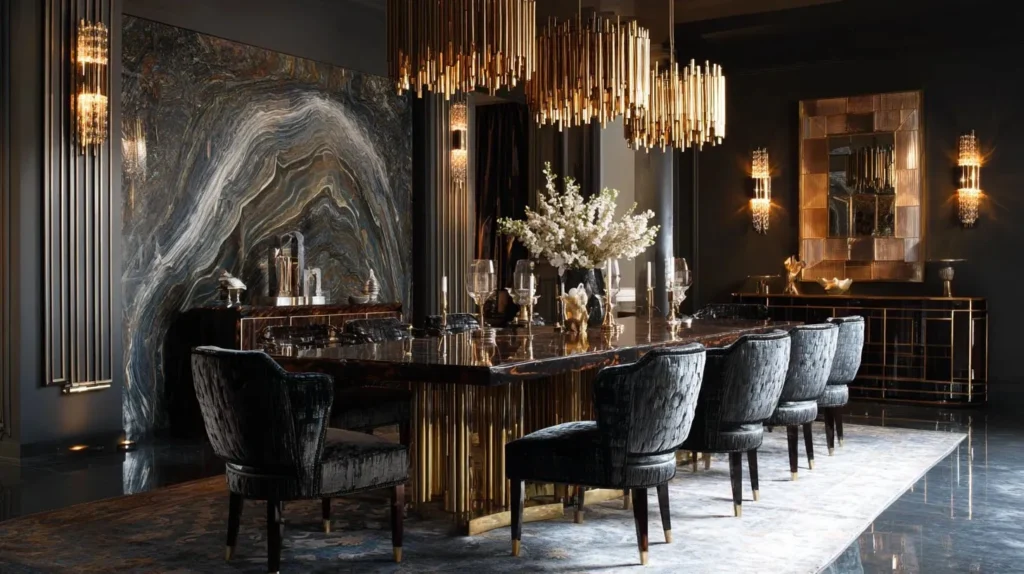
Modern dining room furniture
Choosing the right dining furniture is an important part of creating a comfortable, attractive, and functional home. The dining room is where families share meals, friends gather, and special occasions become memorable experiences. Selecting suitable furniture requires more than finding attractive designs; it also involves considering room dimensions, material quality, seating comfort, and everyday requirements. Modern dining room furniture offers a variety of styles that combine practical construction with contemporary aesthetics, making it suitable for homes of different sizes. Whether you are furnishing a new dining area or replacing outdated pieces, understanding the essentials of furniture selection can help you make confident purchasing decisions. This guide explores table sizes, materials, layout considerations, and styling ideas to help you create a dining space that balances appearance and functionality.
Understanding Modern Dining Room Furniture Before Buying
Modern dining room furniture is designed to combine simplicity, comfort, and practical functionality. Unlike heavily decorated traditional furniture, contemporary designs generally feature clean lines, balanced proportions, and uncomplicated shapes. These characteristics make modern furniture suitable for minimalist, Scandinavian, industrial, and transitional interiors. Common options include rectangular dining tables, round pedestal tables, upholstered chairs, wooden sideboards, and streamlined storage cabinets. Each piece should contribute to the overall appearance while serving a useful purpose.
One of the biggest advantages of modern furniture is its versatility. Homeowners can choose from natural wood finishes, glass surfaces, metal frames, stone tabletops, and different upholstery materials. These options make it easier to coordinate furniture with existing flooring, wall colors, and decorative accessories. For example, a walnut dining table can introduce warmth into a neutral interior, while a glass table may create a lighter appearance in a smaller room. The right combination depends on your available space and personal preferences.
Before shopping, identify how the dining room will be used regularly. A household that frequently entertains guests may need a larger table with additional seating, while a smaller family may prefer a compact design. Consider whether you need storage for dinnerware, flexible seating arrangements, or an extendable tabletop. Understanding these requirements helps narrow your choices and prevents unnecessary purchases. A practical buying decision should always begin with your lifestyle rather than temporary design trends.
Choosing the Correct Dining Table Size and Shape
Table dimensions are among the most important factors to consider when purchasing dining furniture. A table should provide enough surface area for meals while leaving sufficient room for chairs and movement. Start by measuring the dining area, including its length, width, doorways, and nearby furniture. As a general guideline, leave approximately 36 inches of clearance around the table wherever possible. Additional space may be helpful in busy dining areas where people regularly move between the kitchen and living room.
Rectangular dining tables are popular because they provide generous seating and work well in larger or elongated rooms. They are suitable for families who regularly host guests or require additional surface space. Round tables offer a more intimate arrangement and allow everyone to interact comfortably. They are particularly useful in compact dining areas because they eliminate sharp corners and can improve movement around the furniture. Square tables are another option for smaller households, while oval designs provide a softer appearance with practical seating capacity.
The number of regular users should influence your table dimensions. A small household may find a four-seat table sufficient, while larger families may require seating for six or eight people. Extendable tables offer flexibility when additional guests arrive, allowing homeowners to increase seating capacity without permanently occupying more floor space. Check the extension mechanism before purchasing and ensure that the table remains stable when fully extended. Selecting the right dimensions makes everyday dining more comfortable and helps maintain a balanced room layout.
Comparing Materials for Durability, Appearance, and Maintenance
The material of a dining table affects its appearance, durability, and maintenance requirements. Solid wood remains a popular choice because it offers natural grain patterns, warmth, and a timeless appearance. Oak, walnut, teak, and ash are commonly used in quality furniture designs. Each wood type has different characteristics, including color, grain structure, and hardness. Wooden furniture can complement both traditional and contemporary interiors, making it a versatile option for long-term use.
Glass tabletops provide a clean and modern appearance that works particularly well in smaller dining rooms. Their transparent surfaces allow light to pass through visually, helping the space feel more open. Tempered glass is generally preferred for furniture because it is designed to offer improved impact resistance compared with ordinary glass. However, fingerprints, dust, and scratches may be more noticeable on glass surfaces. Buyers should consider whether regular cleaning fits their household routine before choosing this material.
Stone surfaces, including marble and other natural stones, can introduce distinctive patterns and an elegant finish. However, natural stone may require sealing and careful maintenance depending on its composition. Metal dining tables and bases provide a contemporary industrial appearance and can offer strong structural support. Engineered wood is another option for buyers looking for more affordable furniture, although its quality varies between manufacturers. Always examine the material specifications, edge finishing, joints, and overall construction before making a final decision.
Finding Comfortable Dining Chairs That Complement Your Table
Dining chairs should provide proper support while matching the table’s height and overall design. Comfort becomes particularly important when family members spend extended periods eating, talking, or working at the dining table. Look for chairs with stable frames, supportive backrests, and appropriately shaped seats. The standard dining table height is generally around 28 to 30 inches, while chair seats commonly measure approximately 17 to 19 inches from the floor. However, individual furniture dimensions can vary, so checking compatibility before purchasing is essential.
Upholstered chairs are suitable for homeowners who prioritize softness and comfort. Fabric seating offers a wide variety of colors and textures, while leather and leather-like materials provide a more refined appearance. Wooden chairs are durable options that can complement tables with similar or contrasting finishes. Metal and molded chairs introduce a contemporary character and may be easier to clean, depending on their construction. The best choice depends on your preferred appearance, maintenance expectations, and everyday seating requirements.
You can also create an interesting dining arrangement by combining different chair designs. For example, upholstered chairs at the ends of a rectangular table can be paired with simpler wooden chairs along the sides. This approach introduces personality while maintaining a consistent visual appearance. To avoid a disorganized look, connect different chairs through similar colors, materials, or design details. Always ensure that every chair fits comfortably around the table without restricting movement.
Planning an Efficient Dining Room Layout
A good dining room layout makes furniture easier to use and creates a comfortable environment for everyday activities. Begin by identifying the most suitable position for the dining table. Ideally, it should allow people to access their seats without blocking doorways or important walking paths. Avoid placing large furniture pieces too close together because this can make the room feel crowded. If your dining area connects directly to the kitchen or living room, maintain clear movement between these spaces.
In smaller dining rooms, choosing furniture with open structures can improve the overall appearance. Tables with slim legs and chairs with lightweight frames help reduce visual heaviness. Round pedestal tables can also provide more flexibility because their central support leaves additional legroom around the seating area. Wall-mounted shelving and narrow storage cabinets offer practical alternatives to bulky furniture. These choices help maintain functionality without sacrificing valuable floor space.
Larger dining rooms provide more opportunities for flexible furniture arrangements. A spacious rectangular table can become the main focal point, while a sideboard or buffet cabinet provides convenient storage. You can also introduce an accent chair, display cabinet, or decorative console when sufficient space is available. However, avoid filling every empty corner with furniture. Maintaining open areas creates a more balanced appearance and allows individual pieces to stand out.
Storage, Lighting, and Decorative Details That Complete the Room
Storage furniture is an important part of an organized dining room. Sideboards, buffet cabinets, and display units provide space for tableware, serving dishes, glassware, and table linens. Modern designs often feature simple handles, smooth surfaces, and streamlined proportions that complement contemporary dining tables. Before purchasing a storage unit, consider the items you need to organize and measure the available wall space. Choosing furniture that offers suitable storage without overwhelming the room improves everyday convenience.
Lighting also influences the atmosphere and functionality of a dining area. A pendant light positioned above the table can establish a focal point while providing practical illumination. The fixture should be proportionate to the table and positioned at a comfortable height. Warm lighting generally creates a welcoming atmosphere for evening meals and gatherings. Additional wall lights or recessed fixtures can provide more balanced illumination in larger dining spaces.
Decorative accessories should complement the furniture rather than compete with it. A ceramic centerpiece, simple vase, textured table runner, or carefully selected artwork can add personality. If your home includes a nearby workspace or multifunctional room, coordinating small accessories with modern desk decor can help create a consistent design language throughout the interior. Similar wood tones, neutral colors, and understated decorative objects can connect different areas without making every room look identical.
Budget Planning and Smart Furniture Buying Tips
Establishing a realistic budget before shopping helps you prioritize essential furniture and avoid unnecessary spending. Consider the cost of the dining table, chairs, delivery, assembly, and additional storage pieces. Rather than selecting the cheapest available option, compare construction quality and expected durability. A well-made table may cost more initially but can provide better long-term value than a poorly constructed alternative that requires frequent replacement. Reading product specifications and examining furniture in person can help you evaluate quality more accurately.
Pay attention to the manufacturer’s information regarding materials, weight capacity, assembly requirements, and maintenance. For wooden tables, check the finish and construction of the joints. For upholstered chairs, examine the fabric quality, frame stability, and cushioning. If purchasing online, review the listed dimensions carefully and confirm that the furniture can fit through your home’s entrances and stairways. These simple checks can prevent delivery problems and unexpected purchasing expenses.
Warranty coverage and customer support are also worth considering. Reputable manufacturers generally provide clear information about product construction, care instructions, and available after-sales assistance. Understand what the warranty covers and whether it includes structural defects or only specific components. If purchasing vintage or secondhand furniture, inspect its condition carefully and ask about previous repairs. Making decisions based on quality, functionality, and reliable product information leads to more satisfying results.
Creating a Dining Room That Combines Style and Everyday Comfort
The best dining rooms are designed around the people who use them. While contemporary furniture trends can provide inspiration, your final choices should reflect your household’s needs, available space, and personal taste. Start with a suitable table and comfortable chairs, then introduce storage, lighting, and accessories gradually. This method allows you to create a coordinated interior without purchasing unnecessary items. It also provides flexibility when your decorating preferences change over time.
Modern dining room furniture offers countless possibilities for creating attractive and functional interiors. By comparing table sizes, understanding material differences, selecting comfortable chairs, and planning an efficient layout, you can make better furniture purchasing decisions. Paying attention to quality, maintenance, and storage requirements further improves the long-term value of your choices. Whether you are decorating a compact apartment or a spacious family home, thoughtful furniture selection can turn your dining room into a comfortable and welcoming space for everyday meals and special gatherings.