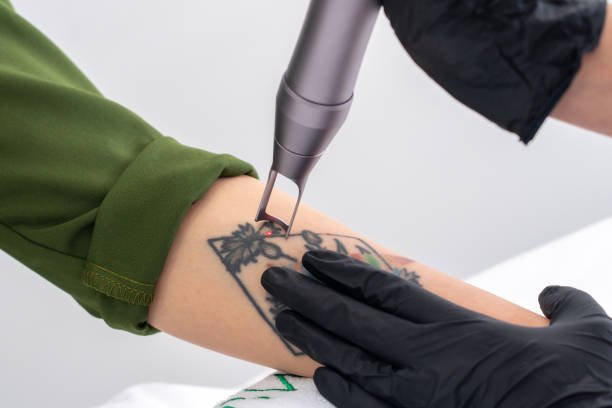
Tattoo removal is a gradual process, and the number of appointments depends on how a tattoo was created and how the skin responds to treatment. Laser Tattoo Removal in Abu Dhabi may take several sessions because each appointment breaks down only some of the tattoo pigment. The body then needs time to clear those smaller particles before the next session can be considered.
The Typical Number of Sessions
Many tattoos need around six to twelve sessions for substantial fading or removal, though some may need fewer and others more. This range is only a general guide: no single session count applies to every tattoo. A treatment plan is usually adjusted as the ink fades and the skin is assessed between appointments.
The desired result also matters. Someone hoping for a lighter tattoo that can be covered may need fewer sessions than someone seeking the greatest achievable clearance. Even after a series of appointments, complete removal cannot always be guaranteed, because some pigment may remain visible.
What Influences the Session Count?
Tattoo age and ink depth
Older tattoos may have already faded, which can make some pigment less noticeable. However, age alone does not determine how easily a tattoo responds. Ink placed deeply or unevenly can require additional treatment.
Ink colors and composition
Dark inks, such as black, often respond more readily to laser treatment than certain bright colors. Different wavelengths are used to target different pigments, so tattoos containing many colors may need a more tailored plan. Some pigments can be especially persistent, and their response may be difficult to predict before treatment.
Size and location
A small tattoo may be quicker to treat during each appointment, but its total session count still depends on the ink and the body’s response. Tattoos located in areas with less efficient circulation may fade more slowly than those closer to the torso. A larger design may also need to be treated in sections.
Skin characteristics and individual response
People’s skin and immune responses vary. The body plays an important role in gradually clearing fragmented ink, so the rate of fading can differ from person to person. Skin tone and the tattoo’s contrast with the surrounding skin also influence how treatment is planned.
Tattoo technique
Professional tattoos often contain denser, more evenly distributed ink than many amateur tattoos. That density can mean more sessions are needed. Layered tattoos or cover-ups may take longer because more than one set of pigment particles is present.
Why Sessions Are Spaced Apart
Laser treatment does not remove all pigment instantly. It targets ink particles beneath the skin and breaks them into smaller fragments. The body gradually processes those fragments over the following weeks.
Appointments are commonly spaced several weeks apart, often around six to eight weeks, though the appropriate interval varies. Waiting allows the skin to recover and gives the body time to clear pigment. Scheduling sessions too close together does not necessarily speed up the overall process. A qualified practitioner can recommend an interval based on the treatment area and its response.
How Progress Is Evaluated
Progress is usually judged by comparing the tattoo’s appearance over time. Fading may happen unevenly: one color or section can lighten before another. Photographs taken under similar lighting can help make gradual changes easier to notice.
The practitioner may review the tattoo before each appointment and adjust the approach as needed. If fading slows, the plan may be revised, or the person may decide that the current result meets their goal. A careful assessment is more helpful than relying on a fixed promise about the final number of sessions.
What to Expect Between Appointments
Between sessions, the tattoo may fade gradually rather than showing an immediate dramatic change. The treated area should be allowed to recover in line with the practitioner’s instructions. Protecting the area from unnecessary irritation and attending follow-up appointments as advised can support a well-managed course of treatment.
It is also useful to keep expectations realistic. Treatment is a process, not a single appointment, and visible progress can be different across colors, body areas, and tattoo styles. The person should ask how progress will be reviewed and whether the goal is partial fading or maximum removal.
FAQs
Can a tattoo be removed in one session?
Most tattoos cannot be fully removed in one session. Each appointment treats only a portion of the pigment, and the body needs time between sessions to clear the fragments. A single appointment may produce some fading, but a series is usually needed for a noticeable result.
How long does the full process take?
The full course may take several months or longer because appointments are spaced apart. The timeline depends on the number of sessions recommended, the recovery interval, and how quickly the tattoo fades. A practitioner can offer a more useful estimate after assessing the tattoo in person.
Do all tattoos need the same number of sessions?
No. Two tattoos of similar size may respond differently if they have different colors, ink depth, age, or placement. A tattoo’s treatment history and whether it covers earlier ink can also affect the plan.
Can treatment stop once the tattoo has faded?
Yes. The person may choose to stop when the tattoo has faded to a satisfactory level, even if some pigment remains. The practitioner can explain what further sessions may achieve and help the person weigh that against their preferred outcome.
What should someone ask before beginning?
Useful questions include how the tattoo’s features affect the estimated session range, how long appointments should be spaced, and how progress will be assessed. They can also ask what level of fading is realistic for their specific tattoo.
Setting a Realistic Session Plan
The number of sessions is best understood as an estimate that may change over time. Tattoo size, color, depth, location, and individual response all contribute to the outcome. With appropriate spacing and regular assessment, Laser Tattoo Removal in Abu Dhabi can be planned around the person’s tattoo and preferred degree of fading, rather than an unrealistic one-size-fits-all timeline.