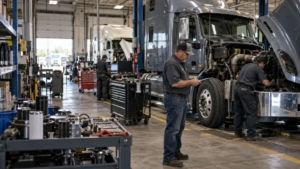
Landing gear gets very little attention until the day it refuses to crank, and by then the trailer is usually loaded, the driver is waiting, and the schedule is already slipping. These legs carry thousands of pounds every time a trailer is dropped, and they live in dirt, water, and road salt without much help. Knowing what to look for turns a surprise breakdown into a planned fix. If you need trailer landing gear repair in San Antonio TX, this guide shows how to catch problems early. At JMaster Trailer Repair, we handle trailer, air system, and brake repair daily, so these tips come straight from the shop.
Know What Landing Gear Does
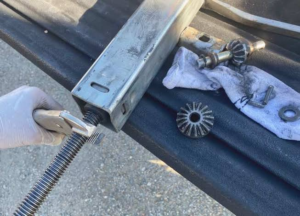
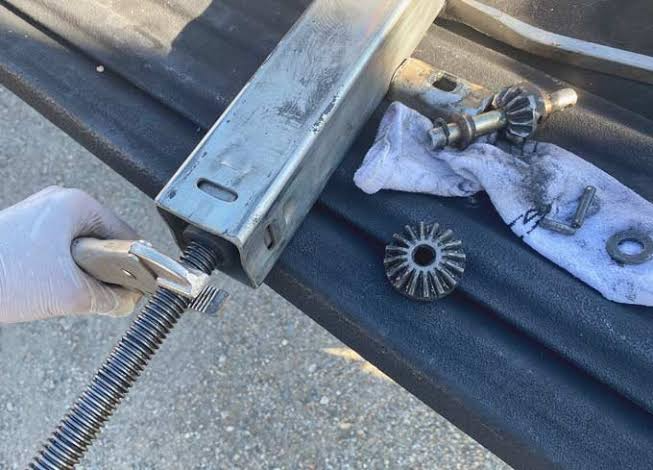
Landing gear is the pair of adjustable legs that holds up the front of a trailer when it is not hooked to a tractor. A crank handle turns a gearbox, which raises or lowers the legs through internal screws. Foot pads spread the weight on the ground, and cross bracing keeps the legs aligned. Because every part works under heavy load, wear in one area quickly affects the rest. Understanding this basic layout makes it easier to describe a problem accurately when you call for help.
Watch for Early Warning Signs
Hard Cranking and Strange Noises
If the handle suddenly takes much more effort, or you hear grinding, clicking, or squealing, something inside is wearing or dry. Ignoring it often leads to stripped gears or a seized leg, which costs far more to repair than a timely service.
Bent, Leaning, or Uneven Legs
Look at the trailer from the side. Legs that lean, twist, or sit unevenly can indicate bending from an impact or overload. Bent legs can bind and may fail under weight, so they should be inspected promptly rather than forced.
Leaks, Rust, and Loose Hardware
Rust streaks, missing bolts, cracked welds, or a wobbly foot pad suggest structural wear. Corrosion is especially common after wet weather and road treatments, and it weakens the leg faster than most drivers realize.
Match the Symptom to the Likely Cause
Different signs usually point to different problems. This table gives a quick reference you can use during your own checks before calling for service.
| Symptom | Likely Cause | Typical Next Step |
|---|---|---|
| Hard to crank | Dry gearbox or worn internal parts | Lubrication check and gearbox inspection |
| Grinding noise | Stripped gear or contamination | Professional inspection and likely repair |
| Leg will not extend or retract | Seized screw or bent leg | Do not force it, call a technician |
| Leaning or uneven legs | Impact damage or overload | Structural inspection and bracing check |
| Wobbly foot pad | Loose or worn hardware | Tighten or replace hardware and pads |
Follow a Simple Inspection Routine
A few minutes every so often is enough to catch most problems. Work through these steps in order whenever you drop or hook a trailer.
- Park on firm, level ground and chock the wheels before inspecting.
- Look over both legs for bends, cracks, rust, and missing hardware.
- Crank the legs through their full travel and note any binding or noise.
- Check the foot pads, the cross bracing, and the mounting bolts for looseness.
- Apply lubrication to the points recommended by the manufacturer.
- Write down anything unusual so the technician has a clear history.
Know When to Call a Professional
Some jobs are simple, but others are not worth the risk. Never crawl under a trailer supported only by damaged legs, and do not force a stuck crank with extensions or power tools, because it can break internal parts or cause the trailer to drop. Call a technician if you notice the following signs.
- A leg that will not move or moves unevenly
- Visible bending, cracks, or broken welds
- Grinding that gets worse each time you crank
- A trailer that settles or sinks while parked
- Any doubt about whether the legs can safely hold the load
A shop that handles trailer landing gear repair in San Antonio TX can often inspect the rest of the trailer at the same time, including brakes and air lines, which saves a second visit.
Final Thoughts
Landing gear is simple until it fails, and then it can stop the entire operation. Inspect it regularly, keep it lubricated, address small noises, and call for help when something looks bent or stuck. When you need dependable trailer landing gear repair in San Antonio TX, contact an experienced shop and get your trailer rolling again.
Frequently Asked Questions
How often should landing gear be lubricated?
Follow the manufacturer’s guidance, but many operators grease it at regular service intervals and after wet or dusty conditions. Heavy use may need more frequent attention. A technician can tell you which points need grease and which should stay clean.
Can I drive with damaged landing gear?
Legs are mostly used while parked, but damage can affect hooking and unhooking and may fail without warning when carrying weight. Bent or broken parts can also catch on the road. Get damaged gear inspected before your next trip.
How long does landing gear usually last?
Lifespan depends on load, climate, maintenance, and how the trailer is handled. Well cared for legs can last for years, while neglected ones wear out quickly. Regular inspection and lubrication are the best ways to extend their life.
Should I repair or replace damaged landing gear?
That depends on the damage. Minor wear or loose hardware is often repairable, while bent legs or stripped internal parts may call for replacement. A technician can compare the cost and safety of each option and explain which one makes sense.